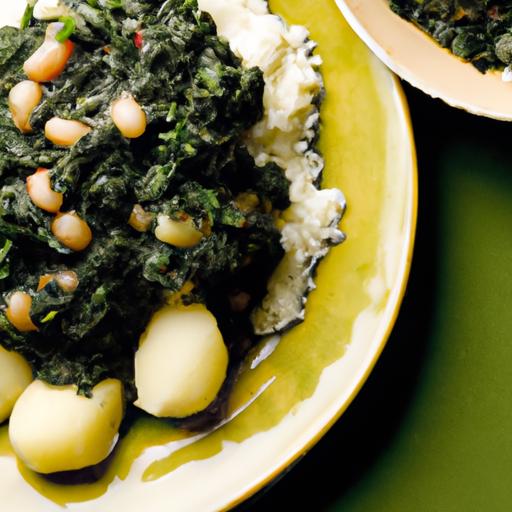

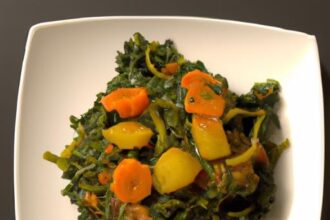
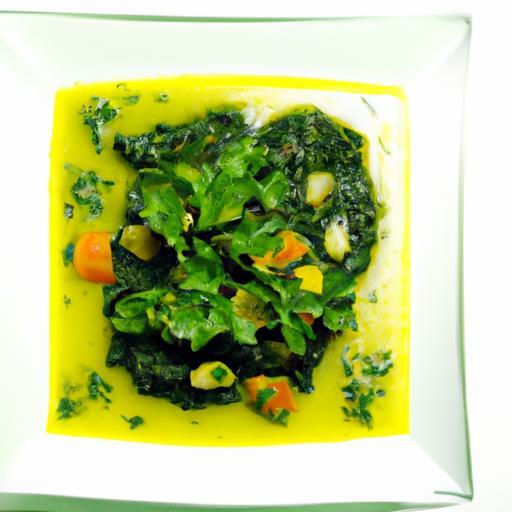
In the heart of Kenya’s vibrant culinary landscape lies a duo that embodies comfort, culture, and community: Sukuma with Ugali. This humble yet flavorful combination is more than just a meal; it is indeed a savory taste of tradition passed down thru generations, nourishing bodies and souls alike. As the fragrant aroma of sautéed sukuma leaves mingles with the warm, starchy embrace of ugali, one is invited to experience a timeless ritual that speaks of home, heritage, and the simple pleasures of Kenyan life. Join us as we explore the origins, readiness, and enduring appeal of this beloved dish-a true cornerstone of Kenyan cuisine that continues to bring people together around the dinner table.

Kenyan Sukuma with Ugali offers an authentic taste of East African heritage, rooted deeply in daily life and celebrations alike. This beloved pairing is more than just sustenance-it’s a culinary homage to Kenya’s rich agricultural traditions and communal spirit. Sukuma, a vibrant sautéed collard green favored in homes across the contry, perfectly complements the creamy, comforting texture of Ugali, a firm maize meal staple. Preparing thes dishes with care brings forth the robust, earthy flavors and textures that have fueled generations, inviting you to experience a true taste of kenyan culture.

Prep and Cook Time
- Preparation: 10 minutes
- Cooking: 20 minutes
- Total Time: 30 minutes
Yield
Serves 4 hearty portions
Difficulty level
Easy – Perfect for both beginners and seasoned cooks looking to explore Kenyan flavors.
Ingredients
- For the Sukuma:
- 4 cups of fresh collard greens (sukuma wiki), washed and finely chopped
- 2 tablespoons vegetable oil or traditional ghee
- 1 medium onion, thinly sliced
- 2 garlic cloves, minced
- 1 medium tomato, diced
- 1 small chili (optional), finely chopped
- Salt, to taste
- Freshly ground black pepper, to taste
- For the Ugali:
- 2 cups maize flour (cornmeal), preferably finely ground for authentic texture
- 3 cups water
Instructions
- Prepare the Sukuma: Heat the oil in a large skillet over medium heat. Add the sliced onions and sauté until golden brown, about 5 minutes, stirring occasionally to prevent sticking.
- Add the minced garlic and chili (if using), cooking for 1 minute until fragrant.
- Stir in the diced tomato and cook down until they soften and release their juices, about 4 minutes.
- Add the chopped collard greens in batches, stirring to combine, allowing the greens to wilt slightly as you add more. Sauté for 7-10 minutes until the greens are tender but still vibrant green.
- Season generously with salt and freshly ground black pepper. Stir well and remove from heat.
- Prepare the Ugali: In a medium saucepan, bring the water to a boil. Gradually sprinkle in the maize flour while stirring continuously with a wooden spoon or traditional flat stick (mwiko).
- Reduce heat to low and continue stirring vigorously to avoid lumps. The mixture will thicken quickly and pull away from the sides of the pan.
- Cook the ugali for about 10 minutes, turning it inside out to cook evenly, until firm and smooth. Remove from heat.
- Moisten your hands with water and gently shape the ugali into a firm mound or serve it directly from the pot on a plate.
Tips for Success
- Choosing the Sukuma: Fresh, young collard greens with tender leaves provide the best texture and flavour.Avoid overly mature greens which can be bitter and tough.
- Perfect Ugali Texture: Use finely ground maize flour and consistent stirring to avoid lumps. If it becomes too dense, sprinkle a little hot water and gently fold it in to loosen.
- Flavor Variations: Incorporate diced bell peppers or a pinch of smoked paprika into your sukuma for depth and color contrast.
- Make-Ahead: Sukuma can be prepared a day in advance and reheated gently, but ugali is best served fresh for optimal texture.
- Authentic Cooking Vessels: Using a heavy-bottomed pan for ugali can definitely help prevent burning and promote even cooking.
Serving Suggestions
This Kenyan Sukuma with Ugali shines when served with a scattering of finely chopped fresh tomatoes or a splash of lemon juice to add brightness. Pair it alongside a side of fried fish or spiced nyama choma (grilled meat) for a complete, traditional experience. A dollop of tangy Kenyan sour milk (mala) balances the meal beautifully. Garnish the sukuma with fresh coriander or extra chili slices for a touch of color and heat.

| Nutrient | Per Serving |
|---|---|
| Calories | 320 kcal |
| Protein | 6 g |
| Carbohydrates | 58 g |
| Fat | 7 g |
For a deeper insight into traditional East african cooking staples,check out our Kenyan Maize and Legumes guide.To explore the cultural context of maize globally, visit the comprehensive resource at FAO’s Maize Information.
Q&A
Q&A: Kenyan Sukuma with Ugali – A Savory Taste of Tradition
Q1: What exactly is Sukuma, and why is it so popular in Kenya?
A1: Sukuma is a leafy green vegetable, often referred to as collard greens or kale, which is a staple in Kenyan kitchens. The word “sukuma” means “to push” or “to stretch” in Swahili-aptly describing how this humble dish stretches a family’s meal. It’s beloved for it’s affordability, nutritional value, and rich, earthy flavor that perfectly complements many Kenyan staples.
Q2: How is Sukuma traditionally prepared in Kenyan households?
A2: Preparation is straightforward yet flavorful. Fresh sukuma leaves are washed, chopped, and sautéed with onions, tomatoes, and sometimes a dash of garlic or chili. The goal is to soften the greens while preserving their vibrant color and a hint of crunch. Often,a touch of oil brings it all together with a fragrant aroma that announces a comforting meal is ready.
Q3: What is Ugali, and how does it pair with Sukuma?
A3: Ugali is Kenya’s quintessential starch-a dense, dough-like porridge made from maize (corn) flour and water, cooked to a firm, almost cake-like consistency. This simple yet satisfying base acts as the perfect vehicle for sukuma’s savory flavors. Together, they create a textural harmony: the smooth, slightly sticky ugali balances the tender, flavorful greens.Q4: Why is the combination of Sukuma and Ugali considered a symbol of Kenyan tradition?
A4: sukuma with Ugali represents more than just food; it embodies communal sharing, resilience, and cultural identity. This duo has fed generations through times of plenty and scarcity alike. It celebrates the ingenuity of Kenyan cuisine-turning everyday ingredients into a meal that nurtures both body and spirit.
Q5: Are there any nutritional benefits to eating Sukuma with Ugali?
A5: Absolutely! Sukuma is packed with vitamins A, C, and K, iron, and fiber, supporting everything from immune health to digestion. Ugali provides complex carbohydrates, offering long-lasting energy. Together, they form a balanced meal that’s wholesome, grounding, and energizing.
Q6: Can Sukuma with Ugali be adapted for modern palettes or dietary preferences?
A6: Definitely. While tradition is cherished,cooks today experiment with spices,add protein like beans or grilled meats,or substitute ugali with alternatives such as millet or sorghum flour for gluten-free options.Vegan and vegetarian versions flourish naturally, making the dish versatile for diverse tastes.
Q7: How can someone new to Kenyan cuisine best experience Sukuma with Ugali?
A7: The best way is to seek out authentic Kenyan eateries or communities where this meal is a labor of love. If cooking at home,start with fresh ingredients,simple seasonings,and savor the rhythm of preparation. Eating Sukuma with Ugali is a sensory journey-warmth, texture, and a story of tradition passed from one generation to the next.
Q8: What cultural moments or occasions commonly feature Sukuma and Ugali?
A8: From weekday family dinners to festive gatherings, Sukuma and Ugali are ever-present. They grace tables during celebrations like weddings,harvest festivals,and national holidays,cementing their place as a culinary cornerstone that brings Kenyans together in shared heritage and joy.
Discovering Sukuma with ugali doesn’t just fill your plate-it connects you to a vibrant culture where food is family, tradition, and a true taste of home.
key Takeaways
In every hearty bite of Kenyan Sukuma with Ugali, there lies a story-a festivity of heritage, resilience, and the simple joys found at the heart of Kenyan kitchens. This beloved dish, rich in flavor and history, invites us to savor more than just food; it offers a genuine taste of tradition, connecting generations across time. Whether enjoyed in a bustling Nairobi market or a quiet countryside home, Sukuma with Ugali remains a comforting reminder that some of the most profound cultural experiences are served on humble plates. As you explore this savory duo, may you not only nourish your body but also enrich your understanding of Kenya’s vibrant culinary tapestry.