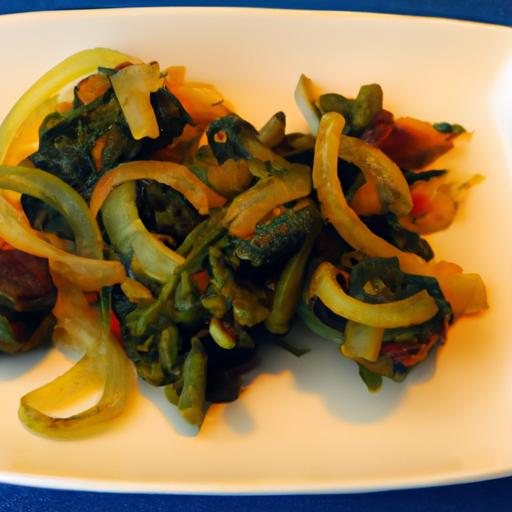

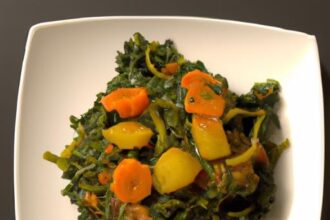
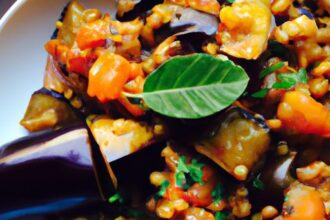
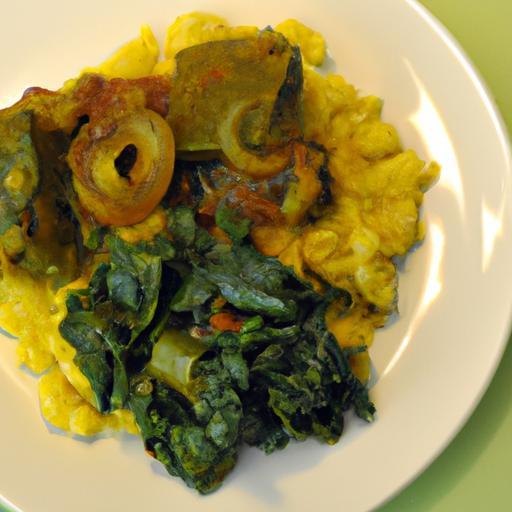
Embark on a culinary journey that blends tradition with modern wellness as we explore the vibrant world of Keto-Friendly African Recipes. Savor the Flavors: Keto-Friendly African Recipes to Try invites food lovers to experience bold spices, rich textures, and wholesome ingredients while staying true to a low-carb lifestyle. From the smoky depths of North African tagines to the hearty staples of West African stews, these Keto-Friendly African Recipes highlight the continent’s culinary diversity while supporting health-conscious goals. Each dish proves that eating keto can be both nourishing and indulgent, with flavors that honor Africa’s heritage.
When you dive into Keto-Friendly African Recipes, you discover meals that awaken the palate and nourish the body. Whether it’s a comforting stew, a spiced vegetable medley, or a creative twist on traditional classics, these delicious Keto-Friendly African Recipes ensure balance without compromise. They invite you to savor, celebrate, and sustain your ketogenic journey.
Savor the Flavors: Keto-Friendly African Recipes to Try opens the door to a vibrant world of aromatic spices and nutrient-dense, low-carb ingredients. One beloved example is Egusi Soup—a hearty West African dish crafted with melon seeds, greens, and rich seasonings. This classic stew is now reimagined as part of Keto-Friendly African Recipes, proving that authentic tradition and ketogenic principles can harmonize beautifully.
From simple weeknight meals to festive family feasts, these traditional Keto-Friendly African Recipes celebrate culture while aligning with your wellness goals. With each dish, you’ll find yourself inspired to expand your keto kitchen, experiment with spices, and enjoy the richness of Africa’s flavors. By embracing Keto-Friendly African Recipes, you not only stay on track with your ketogenic lifestyle but also experience the joy of meals that are as soulful as they are health-conscious.
In the end, Keto-Friendly African Recipes are more than just meals—they are a bridge between health and heritage, showing that flavorful eating can support both cultural appreciation and a thriving ketogenic way of life.
Prep and Cook Time
- Preparation: 15 minutes
- Cooking: 35 minutes
- Total Time: 50 minutes
yield
Serves 4 generous portions
Difficulty Level
Medium
Ingredients
- 1 cup egusi melon seeds, ground to a coarse powder
- 2 tbsp palm oil
- 1 medium onion, finely chopped
- 3 cloves garlic, minced
- 1 tbsp grated fresh ginger
- 1½ cups water or bone broth
- 2 cups chopped kale or ugu leaves
- 1 lb assorted meats (bone-in beef or chicken thighs), trimmed of excess fat
- 2 tsp African cayenne pepper or smoked paprika
- 1 tsp ground crayfish (optional but traditional)
- Salt to taste
- Freshly ground black pepper to taste
- 2 tbsp chopped fresh basil or utazi leaves (optional)
Instructions
- Prepare the meat: Rinse the meat and pat dry. In a large pot, season with salt and black pepper. Brown the meat over medium heat to render fat and seal in juices, about 8 minutes.
- sauté aromatics: Add the chopped onion,minced garlic,and grated ginger to the pot. Sauté until fragrant and softened, about 5 minutes, stirring often to prevent burning.
- Add palm oil: Pour in the palm oil and allow it to melt and infuse with the aromatics, stirring gently for 2 minutes.
- incorporate egusi seeds: Slowly add the ground egusi powder while stirring constantly to prevent lumps. Cook this mixture for 5 minutes until the oil begins to separate, indicating the flavors are well blended.
- Add liquids & spices: Stir in water or bone broth, cayenne pepper, and ground crayfish if using. Bring to a simmer and cover.
- Simmer: allow the soup to cook gently for 25 minutes or until the meat is tender and the soup thickens.Stir occasionally to avoid sticking.
- Add greens: Fold in the kale or ugu leaves and fresh basil. Simmer uncovered for another 5 minutes until greens are wilted but vibrant.
- Final seasoning: Adjust salt and pepper to taste and serve hot.
Chef’s Notes: Tips for success
- Substitutions: If egusi seeds are unavailable,pumpkin seeds ground fine can be a keto-friendly alternative.
- Make it vegetarian: Use hearty mushrooms or cauliflower florets instead of meat, and vegetable broth for depth.
- Consistency tip: For a thicker texture, allow the soup to simmer uncovered for extra 10 minutes, stirring regularly.
- Preparation trick: Grinding your own egusi seeds yields more flavor than pre-ground versions.
- Advance Prep: This soup tastes even better the next day; store leftovers in an airtight container for up to 3 days.
Serving Suggestions
Serve this rich Egusi Soup with a side of cauliflower fufu or mashed cauliflower to keep it low-carb and keto-compliant. Garnish with freshly sliced green onions or a drizzle of extra palm oil for an inviting sheen. pair with chilled cucumber salad dressed lightly with lemon juice and mint to balance the savory richness.
| Nutrient | Per serving | % daily Value |
|---|---|---|
| Calories | 350 kcal | 17% |
| Protein | 32 g | 64% |
| Net Carbs | 6 g | 2% |
| Fat | 18 g | 28% |

discover more about traditional ketogenic staples in our extensive guide to keto African ingredients.For broader knowledge on authentic African spices and their health benefits, visit Organic Facts on African Spices.
Q&A
Q&A: Savor the Flavors – Keto-Friendly African Recipes to Try
Q1: What makes African cuisine a great fit for a keto diet?
A1: African cuisine is a vibrant tapestry of bold spices, fresh herbs, and nutrient-dense ingredients like leafy greens, meats, nuts, and healthy fats. Many traditional dishes naturally embrace low-carb staples such as goat meat, fish, okra, cauliflower, and coconuts-all perfect for keto enthusiasts seeking bold flavors without the carb overload.
Q2: Which African ingredients are keto-friendly and why?
A2: Ingredients like cauliflower (a great rice substitute), leafy greens (spinach, kale, amaranth), okra, avocados, coconut milk, and various meats fit beautifully into a keto lifestyle. They provide essential fats, fiber, and protein while keeping carbohydrates low. These ingredients also carry rich cultural meaning and add authentic taste profiles to your meals.
Q3: Can you name a few keto-friendly African recipes to try at home?
A3: Absolutely! Delight in dishes such as Nigerian Spiced Goat Stew (slow-cooked with tomatoes and peppers), Ethiopian Doro Wat (chicken stew simmered in berbere spice and clarified butter), and West African Egusi Soup (made with melon seeds, leafy greens, and meat).Swap traditional starches with cauliflower rice or sautéed greens to keep it keto-compliant.
Q4: how can one adapt traditional African recipes to be more keto-friendly without losing their essence?
A4: The secret lies in ingredient swaps and mindful cooking methods. Replace carb-heavy tubers like yams or cassava with lower-carb vegetables such as cauliflower or zucchini. Use natural fats like palm oil, coconut oil, or ghee to keep dishes rich and authentic. Preserve bold spices and aromatic herbs to maintain the dish’s soul while trimming carbs.
Q5: what are the benefits of embracing African keto recipes in your meal plan?
A5: beyond the nutritional benefits of a low-carb diet, tapping into African keto recipes introduces you to new flavor adventures-think smoky, spicy, and aromatic. It’s a festivity of culture,history,and health all on one plate. Plus, these dishes are often nutrient-packed and satisfying, helping maintain ketosis without boredom.
Q6: Where can beginners find authentic African spices and ingredients for these recipes?
A6: Many local ethnic markets carry staples like berbere, ras el hanout, or dried hibiscus flowers. Online spice retailers also offer curated African spice blends.Fresh produce like okra and leafy greens can be found in farmer’s markets, while coconut milk and palm oil are widely available in international grocery stores.
Q7: Any tips for those looking to keto-fy african street foods?
A7: Street food is a treasure trove of flavors but frequently enough includes carb-heavy elements like fried dough or high-carb grains. Focus on protein-rich options-grilled meats, spicy kebabs, or roasted nuts-and pair them with vegetables cooked in traditional spice blends.Think skewers with a side of avocado salad or leafy greens sautéed with chili and garlic.Q8: How can incorporating these recipes support cultural thankfulness and culinary exploration?
A8: Cooking African keto recipes fosters a deeper connection with the continent’s diverse cultures and culinary traditions. It encourages experimentation, respect, and curiosity-opening a doorway to stories behind dishes, the significance of spices, and regional variations. It’s not just food; it’s a delicious journey through history and heritage, tailored to modern wellness.
Ready to savor the flavors? Embrace these keto-friendly African recipes and ignite your kitchen with spice, culture, and good health!
Closing Remarks
As you embark on your keto journey, let the rich and diverse flavors of African cuisine inspire your meals and awaken your palate. These keto-friendly African recipes prove that sticking to your dietary goals doesn’t meen sacrificing taste or culture. From fragrant spices to hearty,wholesome ingredients,each dish offers a delicious gateway into the vibrant culinary heritage of the continent-reinvented to suit your low-carb lifestyle. So go ahead, savor the flavors, experiment boldly, and bring a touch of Africa’s warmth and zest to your keto kitchen. Your taste buds-and your health-will thank you.