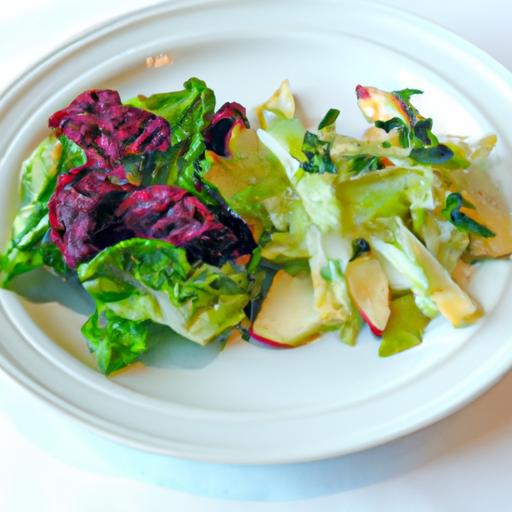

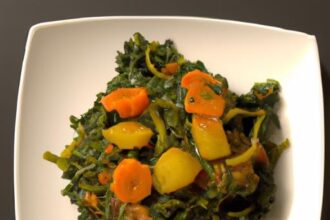
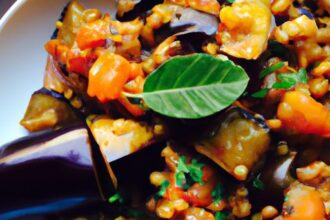
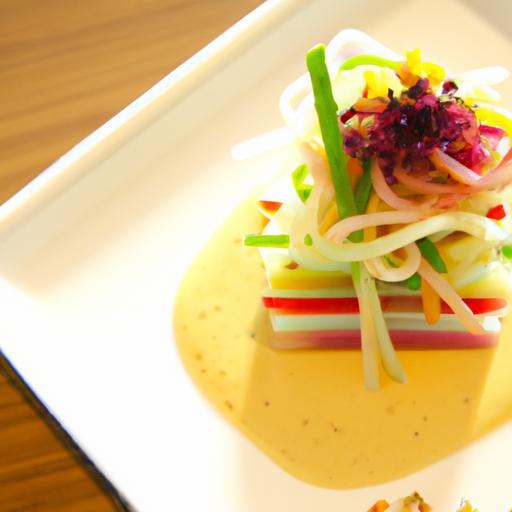
In the heart of Japan’s vibrant culinary landscape lies a treasure trove of Japanese whole foods—ingredients steeped in centuries of tradition yet celebrated today for their powerful nutritional benefits. From the earthy roots of burdock to the delicate umami of fermented miso, Japanese whole foods embody a harmonious union of flavor, health, and heritage. This exploration of Japanese whole foods is more than just a gastronomic journey; it is an invitation to discover how ancient wisdom blends with modern nutrition, bringing balance and well-being to every meal. When we embrace Japanese whole foods, we experience both cultural depth and nutritional strength in every bite.
Discovering Japanese whole foods offers a beautifully balanced approach to nutrition and tradition, inspiring vibrant meals that nourish body and soul. Drawing on centuries-old techniques, Japanese whole foods highlight natural, seasonal ingredients that remain essential in Japanese kitchens. From nutrient-rich brown rice to fermented miso, sea vegetables, and seasonal greens, Japanese whole foods transform simple dishes into flavorful treasures. The legacy of Japanese whole foods continues to inspire chefs, nutritionists, and food lovers worldwide, proving that true wellness begins with what we eat.
At the core of Japanese whole foods lies the principle of harmony: harmony between flavor and nourishment, between the wisdom of the past and the health needs of the present. Every time we prepare or savor Japanese whole foods, we connect with a heritage of mindful eating that emphasizes balance, sustainability, and well-being. Whether enjoyed in a comforting miso soup, a hearty rice bowl, or a refreshing seaweed salad, Japanese whole foods invite us to celebrate a life where tradition and nutrition flourish together.
Prep and Cook Time
- Planning: 20 minutes
- Cooking: 25 minutes
- Total Time: 45 minutes
Yield
4 servings
Difficulty Level
Medium
Ingredients
- 1 cup brown short-grain rice,rinsed thoroughly
- 3 cups dashi broth (homemade or high-quality store-bought)
- 2 tbsp white miso paste
- 100g fresh shiitake mushrooms,sliced
- 100g spinach,washed and trimmed
- 1 medium carrot,julienned
- 1 sheet nori,shredded
- 2 tbsp toasted sesame seeds
- 1 tbsp tamari or low-sodium soy sauce
- 1 tbsp mirin
- 1 tsp grated fresh ginger
- 1 scallion,finely sliced for garnish
- optional: toasted sliced almonds for extra crunch
instructions
- Cook the brown rice: In a medium pot,combine rinsed brown rice and dashi broth. Bring to a boil, then reduce to low heat, cover, and simmer for 40 minutes or until rice is tender and broth absorbed. Let rest covered for 10 minutes.
- Prepare the vegetables: While the rice cooks, sauté shiitake mushrooms in a non-stick pan over medium heat with a splash of water or a teaspoon of sesame oil until soft and golden, about 5 minutes. Add grated ginger,carrot,and spinach,cooking until spinach wilts,about 3 minutes.Season with tamari and mirin, stirring well.
- Mix miso broth: In a small bowl, whisk miso paste with a ladle of warm dashi broth taken from the rice pot to dissolve completely. Gradually stir this mixture back into the pot with the cooked rice for added umami depth.Keep on low heat (do not boil) to maintain the probiotics in miso.
- Assemble the dish: Gently fold sautéed vegetables into the rice and broth mixture, ensuring an even distribution of flavors and textures.
- Serve: Spoon warm rice and vegetable mixture into bowls. Garnish with shredded nori, toasted sesame seeds, sliced scallion, and, if desired, toasted almonds for a delightful nutty crunch.
tips for Success
- Substitution: Use quinoa instead of brown rice for a lighter texture with similar nutritional benefits.
- when selecting miso, choose organic or traditionally brewed varieties for the most authentic flavor and health advantages.
- For enhanced umami, add a splash of sake or a small piece of kombu to the dashi during rice cooking.
- Make ahead by cooking the rice and sautéing vegetables separately, then combine when ready to serve.
- To keep the dish vegan, ensure your dashi broth is kelp-based rather than fish-based.
Serving Suggestions
This wholesome bowl pairs beautifully with a side of pickled vegetables (tsukemono) and a light green tea to cleanse the palate between bites. For an elegant touch, drizzle a few drops of toasted sesame oil or sprinkle a pinch of shichimi togarashi (Japanese seven-spice) before serving. Present this dish in simple ceramic bowls to highlight the vibrant greens and earthy browns-a feast for both eyes and body.
| nutrient | Per Serving |
|---|---|
| Calories | 320 |
| Protein | 9g |
| Carbohydrates | 60g |
| Fat | 4g |

For more inspiration on holistic Japanese meals, explore our guide on traditional fermented foods. To deepen your understanding of seasonal Japanese ingredients and their health benefits, refer to JapanGov’s seasonal food guide.
Q&A
Q&A: Discovering Japanese whole Foods: Tradition Meets Nutrition
Q1: What exactly are Japanese whole foods?
A: Japanese whole foods are natural, minimally processed ingredients traditionally used in Japanese cuisine. Think of humble staples like brown rice, seaweed, fermented soy products like miso and natto, fresh vegetables, and seasonal fruits. These foods retain their original nutrients and are celebrated for their balance of taste,texture,and health benefits.
Q2: How do Japanese whole foods connect tradition with nutrition?
A: Japanese cuisine is deeply rooted in centuries-old cultural practices that honor the harmony between nature and human well-being. Whole foods are prepared in ways that preserve their nutritional value-fermentation enhances gut health, simple steaming or grilling keeps flavors clean and nutrients intact. This approach demonstrates a profound respect for both the food itself and the body that consumes it.Q3: What makes fermented foods like miso and natto so special?
A: Fermentation is a time-honored technique in Japan that not only adds complex flavors but also boosts the foods’ nutritional profile. Miso, a fermented soybean paste, is rich in probiotics, vitamins, and minerals that support digestion and immunity. Natto, known for its strong aroma and sticky texture, is packed with protein, vitamin K2, and nattokinase, an enzyme that promotes cardiovascular health.
Q4: Are Japanese whole foods suitable for modern health trends?
A: Absolutely! Japanese whole foods naturally align with many modern nutrition principles-think plant-forward diets, gut-friendly probiotics, balanced macronutrients, and antioxidant-rich meals. Incorporating traditional ingredients like seaweed, green tea, and tofu can enhance any contemporary diet focused on longevity and vitality.
Q5: How can someone outside Japan start exploring these foods?
A: Begin with accessible staples like brown or short-grain rice,edible seaweeds (wakame,nori),and soy-based products such as tofu or miso paste. Experiment with simple recipes-miso soup, seaweed salad, or grilled fish with steamed vegetables. visiting Asian markets or specialty stores can open up a treasure trove of ingredients, while online resources and cooking classes can provide cultural context and culinary inspiration.
Q6: What role does seasonality play in Japanese whole foods?
A: Seasonality is fundamental in Japanese food culture. Eating with the seasons means choosing ingredients at their freshest and most nutrient-dense state. Spring might bring bamboo shoots and wild herbs; autumn offers mushrooms and chestnuts. This mindful rhythm not only supports local agriculture but also connects one to nature’s cycles, enhancing overall health and mindfulness at the table.
Q7: Can embracing Japanese whole foods influence lifestyle beyond diet?
A: Indeed, the philosophy behind Japanese whole foods encourages a holistic lifestyle. Practices like Ichiju Sansai (one soup,three sides) promote balance and moderation in meals. The ritual of mindful eating, appreciating food aesthetics, and fostering community at mealtime can cultivate gratitude and well-being that transcend nutrition alone.
Discovering Japanese whole foods invites us to savor time-honored flavors while nurturing our bodies. It’s a tasty journey where tradition meets nutrition in every bite.
In Retrospect
As we wrap up our journey through the vibrant world of Japanese whole foods, it becomes clear that this culinary tradition offers more than just nourishment-it’s a harmonious blend of history, culture, and mindful eating. Embracing these time-honored ingredients and practices allows us to reconnect with nature’s bounty in its purest form, supporting both our health and the environment. Whether it’s the humble edamame, nutrient-rich seaweeds, or ancient grains like soba and millet, each element tells a story of balance and wellbeing. By integrating these wholesome treasures into our modern diets, we invite a richer, more intentional approach to nutrition-one where tradition truly meets vitality.