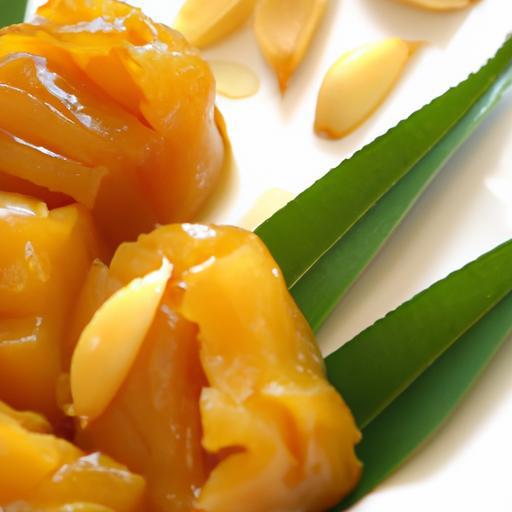
In the delicate dance of flavors that define Chinese cuisine, the Chinese Dessert tradition holds a special yet often understated place—whispers of sweetness that tell stories of centuries-old rituals and cultural harmony. “Sweet Traditions: Discover Authentic Chinese Dessert Recipes” invites you on a flavorful journey where silky red bean soups, fragrant mango puddings, and glutinous rice cakes come alive as timeless treasures of Chinese Dessert culture. More than just treats, each Chinese Dessert is an edible memory, passed down through generations and cherished during festivals, family gatherings, and moments of celebration. To savor a Chinese Dessert is to experience balance—between sweetness and subtlety, tradition and innovation.
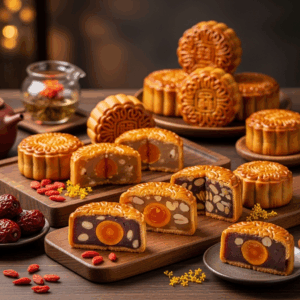
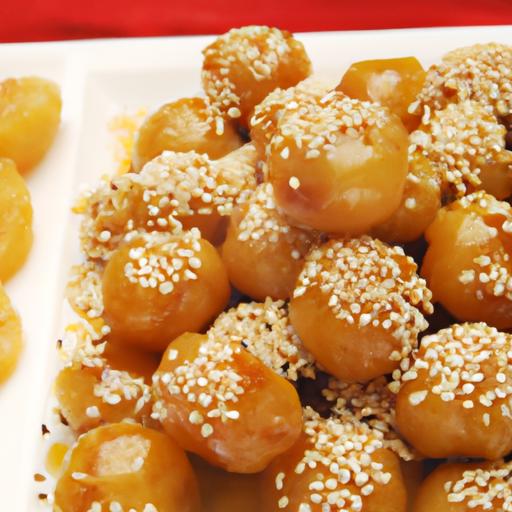
Sweet Traditions: Discover Authentic Chinese Dessert Recipes opens a gateway to a world where centuries-old techniques are preserved in every bite. Beloved creations like mooncakes, tangyuan, and sesame balls embody the heart of Chinese Dessert, each reflecting unity, prosperity, and joy. The artistry of Chinese Dessert lies in its symbolism as much as in its flavor, making every spoonful a lesson in heritage.
From the bustling streets of Beijing to the serene tea houses of Suzhou, Chinese Dessert captures the essence of regional diversity while uniting people through a shared love of sweet tradition. Whether crafted for Lunar New Year, Mid-Autumn Festival, or daily enjoyment, Chinese Dessert remains a living testament to culture and creativity. To discover Chinese Dessert is to taste history, to cherish artistry, and to embrace one of the most authentic expressions of China’s culinary soul. With each recipe explored, Chinese Dessert proves itself timeless, evolving yet unshakably rooted in the flavors of heritage.
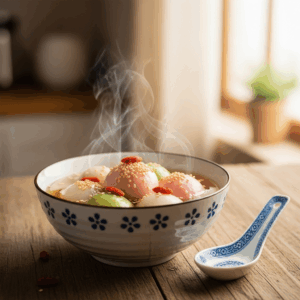
Prep and Cook Time
- Mooncakes: Prep 90 minutes | Bake 20 minutes
- Tangyuan: Prep 25 minutes | Cook 10 minutes
Yield
- Mooncakes: 12 medium-sized mooncakes
- Tangyuan: Serves 4-6 people
difficulty Level
- Mooncakes: Advanced (requires precision and patience)
- Tangyuan: Medium (simple dough and gentle cooking)
Ingredients
- For Traditional Mooncakes Dough:
- 2 cups all-purpose flour, sifted
- ½ cup golden syrup
- ¼ cup vegetable oil
- 1 tsp alkaline water (lye water)
- For Lotus Seed Paste Filling:
- 500g lotus seed paste (store-bought or homemade)
- 12 salted egg yolks (optional)
- For Tangyuan Dough:
- 2 cups glutinous rice flour
- 1 cup warm water (adjust as needed)
- For Sweet Black Sesame Filling (tangyuan):
- ¾ cup black sesame seeds, toasted
- ¼ cup brown sugar
- 3 tbsp unsalted butter, melted
- for Sweet Herbal Soup:
- 6 dried longans
- 4 dried red dates
- 1 tbsp Goji berries
- 4 cups water
- Rock sugar to taste
Instructions
- Prepare Mooncake Dough: In a large bowl, whisk together golden syrup, vegetable oil, and alkaline water until smooth. Gradually sift in flour and stir until a soft dough forms.Cover and let rest for at least 1 hour to relax the gluten.
- Shape Filling: Divide the lotus seed paste into 12 equal portions.If using salted egg yolks, gently wrap a yolk with lotus paste, shaping into a smooth ball-this centers the yolk perfectly in the mooncake.
- Assemble Mooncakes: Roll dough into 12 equal balls. Flatten each into a disc and encase the filling ball fully. Dust mooncake molds with flour, press dough balls into molds and unmold meticulously to reveal intricate patterns.
- Bake Mooncakes: Preheat oven to 350°F (175°C). Bake mooncakes for 10 minutes. Remove from oven,lightly brush with egg wash,then return for another 10 minutes or until golden brown. allow cooling on wire racks.
- Make Tangyuan Dough: Slowly add warm water to glutinous rice flour,kneading gently until smooth and pliable. Cover and rest 15 minutes to hydrate fully.
- Prepare Black Sesame Filling: Grind toasted black sesame seeds in a food processor until crumbly. Mix in brown sugar and melted butter to form a sticky paste.Roll into small balls (about 1 tsp each).
- assemble Tangyuan: Pinch off small portions of dough and flatten. Place a black sesame ball in center, wrap dough around to seal, and gently roll into smooth spheres.
- Cook Tangyuan: bring a pot of water to boil. Drop tangyuan in gently; they will sink then float when cooked (about 3-5 minutes). Remove with slotted spoon and place in serving bowl.
- Prepare Sweet Herbal Soup: Simmer dried longans, red dates, and goji berries in 4 cups water for 15 minutes.Sweeten with rock sugar to taste. Serve hot alongside tangyuan or pour over them for a fragrant finish.
Tips for Success
- Consistency is Key: The mooncake dough should be supple but not sticky; adjust water or flour slightly to achieve this.
- Resting Time: Allowing dough to rest transforms texture, making it easier to mold and bake smoothly.
- Seal Tangyuan Carefully: Ensure filling is tightly wrapped to prevent bursting during boiling.
- Flavor Variations: Try red bean paste or mixed nuts as mooncake fillings for unique flavor experiences.
- Make Ahead: Mooncakes improve after 1-2 days as the oil from fillings softens the crust. Store in airtight containers.
Serving Suggestions
Present mooncakes sliced in delicate wedges, arranged on a porcelain plate with tea-such as jasmine or pu-erh-to offset sweetness and complement aromas. Garnish tangyuan bowls with fresh mint or edible chrysanthemum petals for elegant contrast. Accompany the sweet herbal soup with a small ceramic cup of warm tea to complete this timeless Chinese dessert experience.

| Dessert | Calories | Protein (g) | Carbohydrates (g) | Fat (g) |
|---|---|---|---|---|
| mooncake (1 piece) | 320 | 6 | 45 | 10 |
| Tangyuan (3 pieces with filling) | 210 | 5 | 35 | 6 |
For more insights on Chinese seasonal sweets, explore our article on Traditional Festival Recipes. To deepen yoru understanding of Chinese culinary heritage,visit the China Highlights Cultural Guide.
Q&A
Q&A: Sweet Traditions – Discover authentic Chinese Dessert Recipes
Q1: What makes Chinese desserts unique compared to Western sweets?
A1: Chinese desserts shine in their subtlety and balance.Unlike the often sugary western treats,many Chinese sweets emphasize natural ingredients-think fragrant lotus seeds,chewy red beans,and silky tofu. They blend textures and gentle sweetness to complement rather than overpower the palate, frequently enough incorporating medicinal herbs and symbolic ingredients that celebrate health and prosperity.
Q2: can you name some traditional Chinese desserts that are must-tries?
A2: Absolutely! Classic delights include Tangyuan-glutinous rice balls usually filled with black sesame paste or peanuts, served in a sweet broth-symbolizing reunion and harmony.Then there’s Eight-Treasure Rice Pudding, a festive sticky rice dish adorned with nuts and dried fruits.Also, Douhua (tofu pudding) offers a soft, melt-in-your-mouth experience, often drizzled with ginger syrup. Each of these desserts tells a story rooted in Chinese culture and tradition.
Q3: Are authentic Chinese desserts tough to make at home?
A3: Many are surprisingly approachable! While some recipes may require specific ingredients like lotus seeds or mung beans, most home cooks can find these at Asian markets or online. the techniques often focus on simmering, steaming, or gentle cooking rather than intricate baking.With some patience and love, you can recreate these sweet traditions right in your kitchen.
Q4: How do Chinese dessert ingredients contribute to health?
A4: Chinese dessert recipes often incorporate ingredients valued in traditional Chinese medicine. As a notable example, red beans are thought to cleanse the blood, lotus seeds nourish the heart and kidneys, and jujubes (red dates) boost energy and immunity.This focus on balancing taste and wellness is a hallmark of Chinese culinary philosophy.
Q5: What occasions call for traditional Chinese desserts?
A5: Chinese desserts play starring roles in festivals and family gatherings. Tangyuan is a must at the Lantern Festival, symbolizing family unity. Mooncakes take center stage during the Mid-Autumn Festival. Sweet rice cakes often mark Lunar New Year celebrations, symbolizing prosperity and growth. Through dessert, sweet moments of cultural heritage and familial bonds are celebrated.
Q6: How can someone modernize Chinese dessert recipes without losing authenticity?
A6: Innovation meets tradition when you experiment with presentation and fusion. For instance, turning red bean paste into a swirl for parfaits or incorporating matcha powder into lotus seed puddings adds flair while retaining core flavors. The key is honoring original ingredients and their symbolic meaning while playing creatively with texture, form, and complementary tastes.
Q7: Where can beginners find reliable recipes for these desserts?
A7: Start with cookbooks dedicated to chinese home cooking or reputable food blogs that specialize in Asian cuisine. Many offer step-by-step guidance, ingredient substitutions, and cultural context. Watching tutorial videos can also demystify techniques like making translucent dough for Tangyuan. Exploring authentic recipes is like opening a window into centuries-old culinary artistry.
Ready to embark on a delicious journey into the sweet heart of Chinese tradition? These desserts invite you to savor history, health, and harmony-one bite at a time.
Key Takeaways
as we conclude this delectable journey through the world of authentic Chinese desserts, it’s clear that these sweet traditions are more than just recipes-they are stories passed down through generations, each bite a celebration of culture, history, and artistry. Whether you’re savoring the delicate balance of flavors in a fragrant mango pudding or enjoying the comforting warmth of red bean soup, these treats invite you to experience the heart and soul of Chinese culinary heritage.So why not bring a touch of sweetness to your own kitchen? With these time-honored recipes in hand, you’re ready to explore, create, and share a taste of China’s rich dessert tapestry that will delight your palate and warm your spirit.