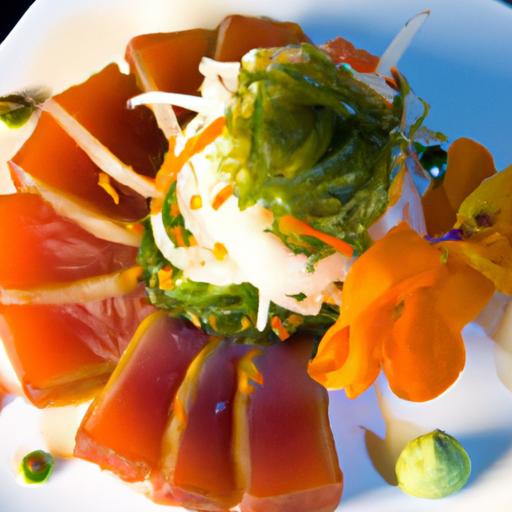


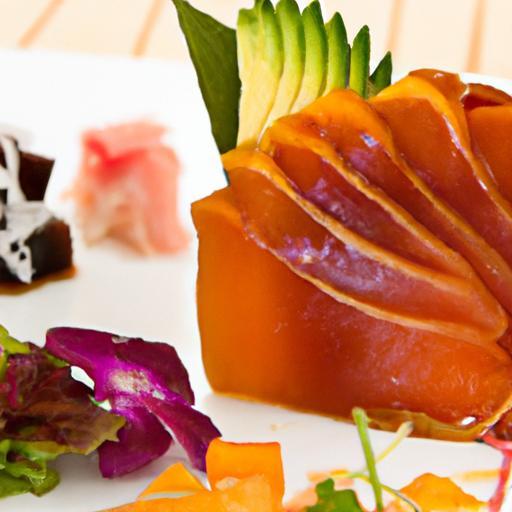
n the refined world of Japanese cuisine, Sashimi Platters capture the perfect harmony of simplicity and elegance. Each carefully sliced piece of raw fish transforms into a work of art, and Sashimi Platters go beyond food to showcase cultural craftsmanship. They invite diners to enjoy not only flavor but also balance and beauty.
From the meticulous choice of ingredients to the graceful arrangement, Sashimi Platters elevate dining into a sensory experience. The colors, textures, and artistry remind us that Sashimi Platters are more than meals—they are expressions of Japanese tradition and culinary perfection. Whether you’re an expert or a newcomer, Sashimi Platters offer discovery in every bite.
Selecting the Finest Fish for an Authentic Sashimi Experience
The essence of freshness defines their quality, and Sashimi Platters shine with sashimi-grade tuna, salmon, yellowtail, or snapper. Every variety adds its own character, ensuring that Sashimi Platters delight both the eyes and the palate.
For true enthusiasts, wild-caught fish enhances the depth and nuance of Sashimi Platters. Gentle handling and proper storage ensure that Sashimi Platters maintain their delicate flavor and form. Every detail, from the glistening texture to the springy freshness of the fish, reminds us why Sashimi Platters embody elegance, authenticity, and timeless Japanese artistry.
Essential Knife Techniques That Elevate each Slice
Perfect sashimi is less about elaborate steps and more about precision. The hallmark of a stunning sashimi platter lies in the knife skills that transform premium fish into visually striking, flavorful slices. Using a long, thin, extremely sharp yanagiba or sashimi knife is essential to executing long, clean cuts that maintain the integrity of the flesh.
Start by positioning your knife at a slight angle, then pull smoothly thru the fish in one deliberate motion rather than a sawing action. This technique prevents tearing and allows the delicate fibers to remain intact, revealing the fish’s natural sheen and texture. Each slice should be consistent-typically between ⅛ to ¼ inch thick-balancing tenderness and bite.
Maintain a steady hand and a sharp blade throughout your prep. Frequent honing and careful cleaning ensure you don’t compress the flesh, which would diminish the sashimi’s melt-in-the-mouth quality. Employ techniques such as hirazukuri (square cuts) for thicker fish like salmon or usuzukuri (paper-thin slices) for white fish, enhancing the visual and textural diversity on your platter.
Pairing Sashimi Platters with Complementary Flavors and Beverages
Once you’ve mastered the art of lovely, flavorful sashimi slices, harmony in taste can be achieved by pairing with thoughtfully chosen accompaniments. Traditional condiments like freshly grated wasabi and high-quality soy sauce highlight the subtle sweetness of the fish, while a touch of pickled ginger offers palate-cleansing contrast between bites.
Introducing citrus elements such as yuzu or a squeeze of lime can add refreshing brightness, balancing rich cuts like toro. Garnishes like shiso leaves or finely sliced daikon radish bring a mild peppery note and crisp texture that elevate presentation and flavor complexity.
To complement the delicate flavors, opt for beverages that cleanse and refresh the palate without overpowering. A chilled, dry Junmai sake, the bright acidity of a dry Riesling, or the subtle citrus profile of Japanese green tea all pair brilliantly with sashimi platters, encouraging savoring each intricate bite.
prep and cook Time
- Preparation: 30 minutes
- Cook Time: None (served raw)
Yield
Serves 4 as an elegant appetizer or light main course.
difficulty Level
Medium – requires access to fresh, sashimi-grade fish and basic knife skills.
Ingredients
- 300g sashimi-grade tuna (toro or akami), skinless and deboned
- 200g sashimi-grade salmon fillet, skinless and deboned
- 150g yellowtail (hamachi) fillet, skinless and deboned
- 1 cup finely shredded daikon radish
- Fresh shiso leaves (6-8 leaves)
- Wasabi paste, to taste
- Soy sauce, for dipping
- Pickled ginger (gari), for serving
- 1 lemon or yuzu, sliced thinly for garnish
Instructions
- Chill your fish thoroughly: Keep all fish fillets refrigerated at near-freezing temperature for one hour before slicing to firm the flesh, making cleaner cuts possible.
- prepare your workstation: Use a very sharp yanagiba or sashimi knife. Wipe the blade with a damp cloth between cuts to prevent sticking.
- Slice the fish: Position the knife at a slight angle for a 45-degree cut and slice smoothly in one motion. Cut toro and salmon into ¼ inch thick slices using the hirazukuri technique (rectangular slices).For yellowtail, thinner cuts using usuzukuri style enhance tenderness.
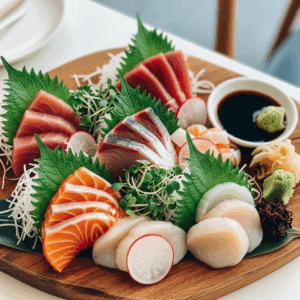
- Arrange the platter: On a chilled plate or a wooden serving board, lay down a nest of shredded daikon as a bed. Fan out slices of each fish type artistically,alternating colors and textures.
- Add garnishes: Place fresh shiso leaves between fish groups, add small dollops of wasabi to the edges, and garnish with thin citrus slices.
- Serve immediately: Provide small dipping bowls with soy sauce and a side of pickled ginger to cleanse the palate with each bite.
Chef’s Notes: Tips for Success
- Use a moistened paper towel to gently remove silver skin from fish fillets before slicing-this improves texture and presentation.
- If you’re new to sashimi knife techniques, practice slicing chilled cucumbers or cooked fish to perfect smooth, even cuts before tackling raw fish.
- Never compromise on fish quality; if sashimi-grade fish isn’t available locally, opt for expertly frozen options labeled for sashimi use.
- Make sashimi platters ahead by preparing daikon and garnishes, but slice fish only right before serving to maintain freshness.
Serving Suggestions
Elevate your sashimi presentation by using black or natural bamboo serving boards which contrast beautifully with the vibrant fish hues. Complement textures by adding crisp seaweed salad or edamame on the side.
Consider pairing your platter with a crisp sake like Dassai 39 for an authentic Japanese experience. Small soy sauce bowls shaped like lotus flowers or delicate ceramic dipping sauce dishes enhance your table setting’s elegance.
For artful plating inspiration, explore our guide to Japanese plating techniques. To deepen your sashimi knowledge, visit North American Seafood Alliance for resources on sustainable seafood sourcing.
| Nutrient | Per Serving |
|---|---|
| Calories | 180 kcal |
| Protein | 30 g |
| Carbohydrates | 2 g |
| Fat | 5 g |
Q&A
Q&A: Savor the Art – Exploring the Elegance of Sashimi Platters
Q1: What makes sashimi platters a true culinary art form?
A1: Sashimi platters celebrate simplicity and precision, transforming fresh, raw fish into visual poetry. Each slice is carefully crafted to highlight texture, color, and flavor, arranged with artistic balance to evoke a sense of harmony and elegance.It’s not just food; it’s an edible masterpiece that appeals to all the senses.Q2: How does the selection of fish affect the beauty and flavor of a sashimi platter?
A2: The star of any sashimi platter is undeniably the fish.From buttery bluefin tuna to translucent flounder, each species brings unique textures and tastes. Expert chefs choose the freshest catches, paying close attention to seasonality and origin, ensuring the platter is both a feast for the palate and a stunning tableau of natural hues.
Q3: What role do accompaniments play in enhancing the sashimi experience?
A3: Accompaniments like wasabi, pickled ginger, and shiso leaves aren’t just garnishes-they’re essential complements that balance and elevate the raw fish. wasabi adds a fiery kick, ginger cleanses the palate between bites, and shiso offers a refreshing herbal note. together, they complete the sensory journey of a sashimi platter.
Q4: Why is knife technique so important in preparing sashimi?
A4: Precision slicing is the heartbeat of sashimi craftsmanship. The thickness and angle of each slice influence texture and flavor release. A skilled chef’s knife glides expertly, producing clean, even pieces that melt in your mouth. This technique distinguishes a great sashimi platter from an ordinary one, revealing true respect for the ingredients.
Q5: How can one fully appreciate the elegance of a sashimi platter when dining?
A5: To savor sashimi is to engage mindfully. Notice the visual arrangement, inhale the subtle ocean scent, then taste each slice slowly, allowing flavors to unfold. Pair with complementary sake or green tea, and take moments between bites to relish the artistry and craftsmanship presented before you.
Q6: Can sashimi platters be enjoyed outside traditional Japanese settings?
A6: Absolutely. While rooted deeply in Japanese tradition, sashimi’s minimalist beauty and fresh flavors transcend borders.Contemporary chefs around the world reinterpret sashimi platters, blending local ingredients and aesthetics, inviting a global audience to savor this elegant culinary art with fresh perspectives.Q7: What should beginners know before their first sashimi tasting?
A7: Embrace openness and curiosity. Start with milder fish like salmon or snapper, and gradually explore bolder flavors like mackerel or uni. Respect the etiquette-dip fish lightly in soy sauce and avoid overpowering with wasabi. Above all, appreciate the delicate craftsmanship that makes each bite a refined celebration of the sea.
Closing Remarks
as we conclude our journey into the delicate world of sashimi platters, it becomes clear that this culinary art transcends mere sustenance-it is a celebration of nature’s finest offerings, meticulously crafted to delight the senses. Each slice tells a story of tradition, precision, and respect for the ocean’s bounty, inviting us to savor not just the flavors but the elegance woven into every presentation. Whether you’re a seasoned connoisseur or a curious newcomer, exploring sashimi platters opens a window into a refined gastronomic experience where simplicity meets sophistication in perfect harmony.So next time you find yourself faced with a shimmering array of fresh fish and vibrant garnishes, take a moment to appreciate the artistry on your plate-it’s truly an edible masterpiece.