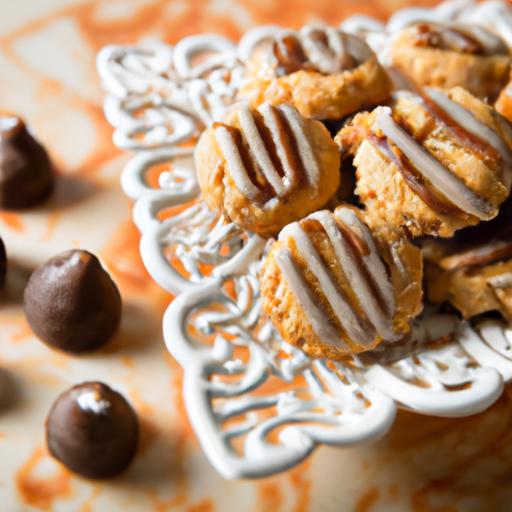
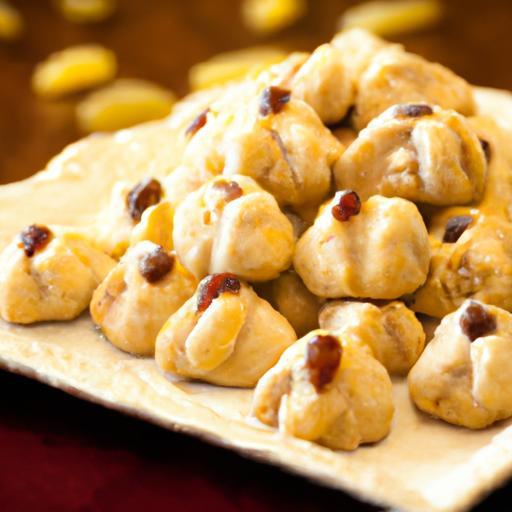
Beneath the warm glow of North African kitchens, where tradition and flavor intertwine, lies a sweet treasure that has enchanted generations: the Makroud date cookie. Frequently enough hailed as a golden delight, these intricately crafted pastries are far more than just a simple treat-they are a testament to artistry, heritage, and the timeless bond between ingredient and tradition. In this exploration, we unravel the secrets behind the delicate dough, the luscious date filling, and the cultural stories woven into every bite. Welcome to the world of Makroud, where history and flavor come together in perfect harmony.
Golden Delight: The Art of Makroud Date Cookies Unveiled
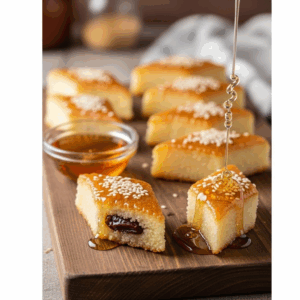
Golden Delight makroud date cookies have captivated taste buds across North Africa and beyond, blending tradition and flavor in every golden bite. Rooted deeply in Maghrebi culture, these iconic pastries celebrate the richness of dates, semolina, and aromatic spices, making them more than just a snack – they’re a culinary symbol of hospitality and festivity.
Prep and Cook Time
- Preparation: 30 minutes
- Cooking: 20 minutes
- Total Time: 50 minutes
Yield
- Approximately 24 cookies
Difficulty Level
- Medium
Ingredients
- Dough: 2 cups fine semolina (rouge de qualité), sifted
- All-purpose flour: ½ cup, sifted
- butter: ½ cup (110g), softened
- Warm water: ¾ cup
- orange blossom water: 2 tbsp
- Salt: ¼ tsp
- Date filling: 1 cup finely chopped deglet noor dates
- Cinnamon: 1 tsp ground
- Orange zest: 1 tbsp, finely grated
- Sesame seeds: 2 tbsp, for garnish
- Vegetable oil: for frying
- Honey syrup: 1 cup honey diluted with ¼ cup water and 1 tsp lemon juice
Instructions
- Prepare the dough: In a large bowl, combine fine semolina, all-purpose flour, and salt. Add softened butter and use your fingers to blend until the mixture resembles coarse sand.
- Incorporate liquids: Gradually pour warm water mixed with orange blossom water into the semolina mixture, kneading gently but thoroughly to form a smooth but firm dough. Cover with a damp cloth and allow to rest for 30 minutes to hydrate fully.
- Make the date filling: In a small bowl, mix chopped dates, cinnamon, and orange zest until the mixture forms a pliable paste.Add a teaspoon of water if to dry to bind well.
- Shape the cookies: Divide dough into equal portions. Roll each portion into a thick log about 1.5 inches in diameter on a lightly floured surface.
- Fill the dough logs: Using your thumb, create a groove along the center lengthwise. Press the date filling firmly into this channel, then gently pinch the dough around the filling to seal and smooth the log.
- Cut and garnish: With a sharp knife, slice each log diagonally into 1-inch thick diamond shapes. Roll edges gently in sesame seeds for added texture and visual appeal.
- Fry to golden perfection: heat vegetable oil in a deep pan over medium heat.Fry makroud in batches, turning carefully, until both sides are a rich golden brown (about 4-5 minutes per side). Drain on paper towels.
- Dip in honey syrup: While still warm, immerse makroud briefly in honey syrup, then transfer to a wire rack to drain excess syrup.
- Cool and serve: Allow cookies to cool slightly before serving to best enjoy their sweet, aromatic layers.
Chef’s Notes
- For a lighter texture, swap half the semolina with fine wheat flour, but maintain the dough’s firmness.
- Deglet noor dates are preferred for their natural sweetness and softness-soak drier dates in warm water to soften before chopping.
- resting the dough is crucial to achieve velvety texture without cracking during frying.
- If you prefer baking over frying, bake at 350°F (175°C) for 20 minutes until edges turn golden, then proceed with honey syrup dipping.
- Make honey syrup fresh or warm slightly before dipping for best absorption and glossy finish.
Serving Suggestions
Present your golden delight makroud date cookies on a decorative platter lined with parchment paper. Garnish with a sprinkle of crushed pistachios and a few whole dates to highlight their origin. Pair with mint tea or a delicate spiced coffee to truly evoke the ambiance of a North African gathering. For a festive touch, serve alongside candied orange peel and a drizzle of extra honey for dipping.

| Nutrient | Per Cookie |
|---|---|
| Calories | 150 |
| Protein | 2g |
| Carbohydrates | 28g |
| Fat | 4g |
To deepen your culinary journey with conventional North African sweets,explore our complete Maghrebi desserts guide. For more on the cultural backdrop of dates and their nutritional benefits, visit the FAO’s official page on dates.
Q&A
Q&A: Golden Delight - The Art of Makroud Date Cookies Unveiled
Q1: What exactly are Makroud date cookies?
A1: Makroud (sometimes spelled makrout) are exquisite, golden-hued pastries hailing from North Africa, particularly Tunisia and algeria. These diamond-shaped cookies boast a tender, semolina-based dough encasing a luscious, fragrant date filling. Often lightly fried or baked, they are then soaked in fragrant honey or syrup, creating a perfect harmony of crispy exterior and chewy sweetness inside.Q2: What makes Makroud stand out from other date-filled treats?
A2: Unlike simple date rolls or bars, Makroud is a masterpiece of layered textures and flavors. The semolina dough offers a subtle grainy texture that contrasts beautifully with the smooth, naturally caramelized date paste. The honey or orange blossom syrup glaze adds an aromatic depth, elevating the humble date cookie into a festive delicacy. Its diamond shape is also iconic, symbolizing the meticulous craftsmanship behind each piece.
Q3: How is the traditional Makroud dough prepared?
A3: The dough is crafted from fine semolina flour, frequently enough a mix of coarse and fine varieties, combined with a splash of olive oil or butter, and a pinch of salt. Water gradually brings these ingredients together into a firm but pliable dough. The key is to let the semolina absorb the moisture just right, resulting in a dough that yields a tender yet structured bite after cooking.
Q4: What is the secret to the perfect date filling?
A4: The filling is a simple blend of finely chopped or mashed dates, sometimes seasoned with a hint of cinnamon, orange blossom water, or even a dash of nutmeg. The dates must be soft and sticky but not overly wet. Some artisans add crushed nuts for texture or a touch of clarified butter to enhance richness, but the star remains the naturally sweet and aromatic date paste.
Q5: What are the traditional cooking methods for Makroud?
A5: Traditionally, Makroud can be deep-fried to achieve a crisp, golden shell, or baked for a lighter, less oily version. Both methods result in a beautifully caramelized cookie that, once cooked, is generously soaked in warm honey or sugar syrup infused with orange blossom or rose water. This final soak imparts a lingering sweetness and scent, making each bite a fragrant festivity.
Q6: Are Makroud cookies associated with any cultural or festive occasions?
A6: Absolutely! Makroud is more than just a treat; it’s a cultural emblem frequently enough enjoyed during special occasions such as Eid, Ramadan, weddings, and family gatherings. Sharing these cookies symbolizes hospitality, celebration, and the rich culinary heritage of the maghreb region.
Q7: Can Makroud be adapted to modern or dietary preferences?
A7: Definitely! While traditional recipes remain beloved, creative bakers experiment with gluten-free semolina alternatives or swap honey for agave syrup for vegan adaptations. Some infuse the dough with spices like cardamom or incorporate different fillings such as fig or almond paste. However, the essence of Makroud-the delicate balance between semolina dough and sweet, fragrant filling-always shines through.Q8: How can someone new to Makroud best enjoy these cookies?
A8: Serve Makroud alongside a small cup of strong mint tea or rich Arabic coffee to complement its sweet intensity. Take a moment to appreciate the texture contrast: the slight crunch of the exterior, the chewy filling, and the subtle floral sweetness from the syrup. Savoring Makroud is not just about taste; it’s an experience steeped in tradition and artisanal love.
Q9: Why is Makroud called the “Golden delight”?
A9: The nickname ”Golden Delight” reflects both appearance and essence. The warm, amber color of fried or baked semolina dough glazed with honey creates a visually inviting cookie that seems to glow. Beyond looks, it’s a delight to the palate and soul-a golden treasure born from a melding of simple ingredients and centuries-old craftsmanship.Q10: Where can one find authentic Makroud outside North Africa?
A10: Authentic Makroud is increasingly available at specialty Middle Eastern or North African bakeries and markets worldwide. For a truly immersive experience, attending cultural festivals or workshops that showcase traditional Maghrebi pastries can be a delightful way to discover and even learn to craft these golden gems firsthand.
Savoring Makroud is like unwrapping history and sweetness at once-each cookie a tiny tribute to the artistry and warmth of North african heritage. Golden delight indeed!
Wrapping Up
As the final dusting of powdered sugar settles on these golden treasures, the timeless allure of makroud date cookies reveals itself-not just as a sweet indulgence, but as a vibrant thread woven through the tapestry of culinary heritage.Each bite offers more than flavor; it delivers a story of tradition, craftsmanship, and the harmony of simple ingredients perfected over generations. Whether savored with a cup of mint tea or gifted as a token of hospitality,Makroud invites us to celebrate the artistry behind every fold and the warmth embedded in every morsel. in unveiling the essence of these exquisite treats, we rediscover how food can transcend mere sustenance to become a golden delight cherished beyond borders and time.