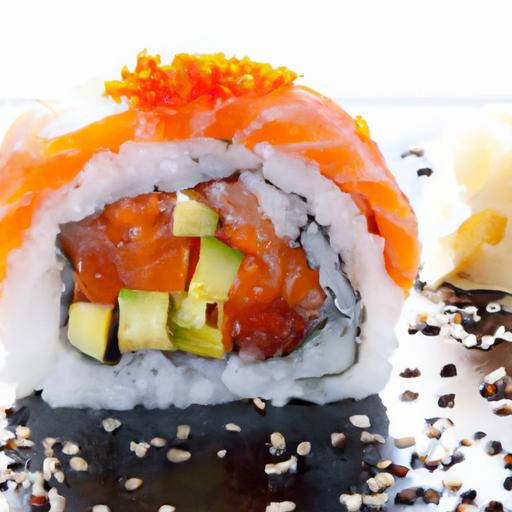
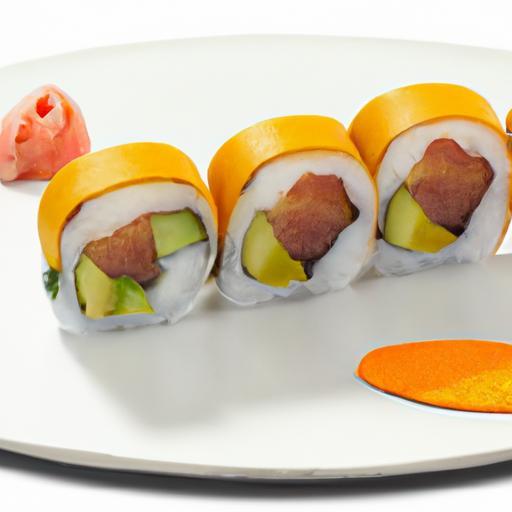
In the vibrant world of sushi, where tradition and innovation dance in perfect harmony, uramaki stands out as a captivating masterpiece. Often dubbed the “inside-out” roll, uramaki flips the classic sushi experience on its head-literally-by wrapping the rice on the outside and the nori seaweed within. This ingenious twist not onyl creates a visually stunning presentation but also opens a playground of flavors and textures that delight both the eyes and the palate. Join us as we dive deep into the art of uramaki sushi, uncovering its origins, techniques, and the creative flair that transforms each roll into a delectable inside-out delight.
Inside-Out Delights reveal a captivating story rooted deeply in Japanese culinary innovation and global fusion trends. Uramaki sushi, frequently enough recognized by its distinctive rice-on-the-outside style, symbolizes a bridge between tradition and modern palate preferences. Originating in the 1960s, particularly popularized in California, this sushi roll transformed how people perceived sushi-making it more accessible and visually enticing without sacrificing its authentic umami essence.
My first encounter with uramaki was at a cozy sushi bar in Tokyo, where the chef expertly rolled each piece with such precision that the glossy seaweed layer disappeared inside, hidden beneath a snow-white blanket of perfectly seasoned rice. It was this juxtaposition of textures and flavors that inspired me to master the techniques behind the perfect inside-out roll, blending classic ingredients with bold new twists to elevate every bite.
Prep and Cook Time
- Planning: 20 minutes
- Cook Time: 10 minutes (for rice and fillings)
- Total Time: 30 minutes
Yield
Makes approximately 8 pieces (serves 2-3 people)
Difficulty Level
Medium – Ideal for adventurous home cooks eager to refine their sushi rolling skills
Ingredients
- 2 cups sushi rice, rinsed and cooked according to package instructions
- 2 1/2 cups water
- 1/3 cup rice vinegar
- 2 tablespoons sugar
- 1 teaspoon salt
- 4 sheets nori (seaweed)
- 1/2 cucumber, julienned
- 1 ripe avocado, sliced
- 8 ounces sushi-grade salmon or imitation crab, sliced into strips
- 2 tablespoons toasted sesame seeds
- Soy sauce, pickled ginger, and wasabi for serving
- Bamboo sushi rolling mat, wrapped in plastic wrap
Instructions
- Prepare the sushi rice: combine the rinsed sushi rice and water in a rice cooker or pot, cook until tender. While still warm, gently fold in the rice vinegar, sugar, and salt mixture to season evenly; then allow to cool to room temperature. This seasoned rice creates the foundational texture and flavor essential for uramaki.
- Set up your rolling station: Place the bamboo mat on a flat surface and cover it with plastic wrap to prevent sticking. Lay a sheet of nori on the mat, shiny side down.
- spread the rice: Wearing wet hands, evenly spread a thin layer of sushi rice over the nori, covering it completely. Sprinkle toasted sesame seeds lightly and press gently to adhere.
- Flip the nori: Carefully invert the rice-covered nori so the rice side is down on the plastic wrap, with the nori facing up. This inside-out technique ensures the rice hugs the filling once rolled.
- Add the fillings: place cucumber strips, avocado slices, and salmon or crab horizontally across the bottom third of the nori sheet.
- Roll the sushi: Using the bamboo mat, lift the edge nearest you and roll tightly over the fillings, applying gentle pressure to keep the roll compact. Continue rolling until sealed.
- Shape and slice: Use the mat to shape the roll evenly. Using a sharp, dampened knife, slice the roll into 8 equal pieces, cleaning the knife between cuts for cleaner edges.
- Serve and garnish: Arrange the uramaki sushi pieces on a platter alongside soy sauce, pickled ginger, and wasabi. Garnish with extra sesame seeds or thinly sliced scallions as desired.
Tips for Success
- Rice texture matters: Cool the sushi rice to body temperature before handling to avoid soggy or sticky bites.
- Plastic wrap is your friend: It prevents rice from sticking to your hands and the bamboo mat, ensuring a smoother roll.
- Fillings versatility: Swap salmon for tuna, tempura shrimp, or even vegetarian options like asparagus and cream cheese for delightful variations.
- Practice your roll: Keep your first attempts gentle but firm-perfecting the inside-out roll takes patience but is remarkably rewarding.
- Make ahead: Prepare rice and slice fillings in advance to streamline the rolling process closer to serving time.
Serving Suggestions
To craft an authentic and visually stunning experience, serve your uramaki on a minimalist rectangular plate-preferably ceramic or lacquered wood. Add small ramekins filled with soy sauce and spicy mayo for dipping. Garnish with pickled ginger curls and a sprinkle of microgreens or edible flowers to elevate the palette and presentation. Pair with chilled sake or green tea for a truly immersive tasting journey.
| Nutrient | Per Serving (4 pieces) |
|---|---|
| calories | 280 kcal |
| Protein | 14 g |
| Carbohydrates | 36 g |
| Fat | 6 g |
For readers looking to dive deeper into sushi culture and enhance their repertoire, explore our Japanese Sushi Rolling Techniques article.To understand the historical roots further, visit National Geographic’s exploration of sushi.

Q&A
Q&A: Inside-Out Delights: Exploring the Art of uramaki Sushi
Q1: What exactly is uramaki sushi?
A: Uramaki sushi, often called the “inside-out roll,” is a creative twist on traditional sushi where the rice wraps around the seaweed (nori) and fillings, rather than the other way around.This reversed construction not only offers a pleasing visual contrast but also allows for a variety of textures and flavors to shine on the outside, usually sprinkled with sesame seeds or tobiko.
Q2: How did uramaki sushi originate?
A: Uramaki is believed to have emerged in the United states during the 1960s or 70s. The innovation was partly born from western palates that preferred the rice on the outside to hide the seaweed, which was sometimes bitter or unfamiliar. This adaptation grew into popular rolls like the California roll,helping sushi gain global fame.
Q3: what makes uramaki sushi different from other sushi rolls?
A: unlike maki rolls where nori encases the rice and fillings, uramaki turns tradition inside-out. This reversal enables chefs to add toppings on the rice’s surface-such as crunchy tempura flakes, tobiko, or drizzles of sauce-creating a layered sensory experience. The textural playfulness and colorful presentation set uramaki apart visually and gastronomically.
Q4: What are some classic varieties of uramaki?
A: The California roll is the most famous uramaki, featuring crab (or crab imitation), avocado, and cucumber with rice outside. Other beloved types include the Dragon roll, often topped with eel and avocado slices, and the Spicy Tuna Roll, which incorporates spicy tuna inside, coated with sesame or tempura bits on the outside.
Q5: How does the preparation of uramaki sushi differ from traditional rolls?
A: Preparing uramaki requires a deft hand and special technique.The chef lays nori on a bamboo mat, spreads a thin layer of sushi rice over it, then carefully flips the entire sheet so the rice is underneath. Fillings are then added on top of the nori side.Rolling delicately without breaking the rice layer and ensuring an even shape is key to a perfect inside-out roll.
Q6: Why has uramaki gained such popularity worldwide?
A: Uramaki’s visual appeal,accessible flavors,and adaptability to diverse ingredients have made it a global favorite. Its rice-laden exterior is less intimidating to newcomers hesitant about seaweed, while seasoned sushi lovers enjoy its textural varieties. Plus,uramaki invites creative innovation,inspiring chefs worldwide to experiment with fillings and toppings.
Q7: Can uramaki be adapted for dietary preferences?
A: Absolutely! Uramaki’s flexible structure welcomes countless variations. Vegetarian or vegan versions substitute fish with ingredients like avocado, cucumber, pickled vegetables, or even tempura-fried mushrooms. Gluten-free soy sauce and alternative fillings enable uramaki to cater to various dietary needs without sacrificing flavor or visual charm.
Q8: What shoudl a sushi lover look for when trying uramaki for the first time?
A: Seek out rolls where the rice is perfectly sticky but not mushy, the fillings fresh and vibrant, and the seaweed tenderly wrapped inside. notice how the outer layer complements the inside-weather through crunch,creaminess,or a hint of saltiness. Taste thoughtfully,appreciating the harmony of textures and flavors that make uramaki a true inside-out delight!
Closing Remarks
As we pull back the nori and unveil the vibrant layers of uramaki sushi,it becomes clear that this “inside-out” marvel is more than just a roll-it’s a harmonious blend of tradition and innovation. From its playful reversal of presentation to the delicate balance of flavors and textures,uramaki invites us to experience sushi in a fresh,exciting way. Whether you’re a seasoned sushi connoisseur or a curious newcomer, exploring the art of uramaki opens a window into the evolving tapestry of Japanese cuisine, reminding us that sometimes, turning things inside out is exactly what it takes to discover a new perspective-and a new delight.