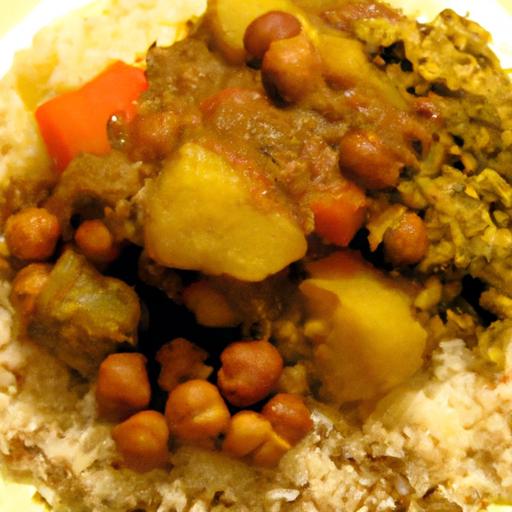

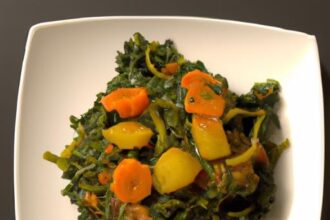
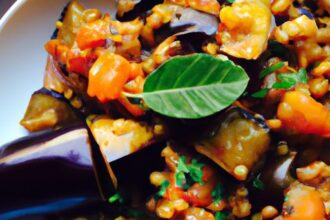
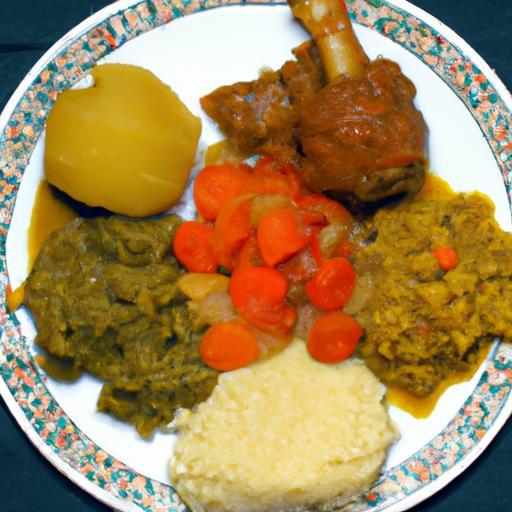
In the heart of East Africa lies a culinary treasure trove where every bite tells a story — welcome to the world of Authentic Ethiopian Recipes. Rooted in centuries-old traditions and vibrant cultural rituals, Authentic Ethiopian Recipes offer more than just food; they present a flavorful journey into Ethiopia’s rich heritage. From the fragrant spices that dance on your palate to the communal dining experience centered around injera, Authentic Ethiopian Recipes represent the spirit of togetherness and hospitality deeply woven into Ethiopian culture.
Exploring Authentic Ethiopian Recipes means stepping into a world where history and flavor meet on every plate. Each dish crafted from Authentic Ethiopian Recipes tells of ancient traditions, passed lovingly through generations. The use of berbere spice, niter kibbeh, and lentils defines Authentic Ethiopian Recipes, turning simple ingredients into extraordinary culinary art.
Savor Tradition: Exploring Authentic Ethiopian Recipes invites you to experience Ethiopia’s timeless flavors firsthand. One cannot fully appreciate Authentic Ethiopian Recipes without learning the art of preparing injera, the soft, tangy flatbread that lies at the heart of every meal. This fermented pancake, central to Authentic Ethiopian Recipes, acts as both plate and utensil, soaking up the rich wot stews and aromatic sauces that define Ethiopian dining.
Every bite of Authentic Ethiopian Recipes brings warmth, community, and joy. Whether shared at family gatherings or festive celebrations, Authentic Ethiopian Recipes embody the beauty of food as a language of connection. By embracing Authentic Ethiopian Recipes, you’re not just cooking — you’re preserving history, honoring culture, and celebrating the soulful flavors of Ethiopia’s remarkable kitchen.
Prep and Cook Time
- Planning: 12 hours (including fermentation)
- Active Cooking: 20 minutes
- Total Time: Approximately 12 hours 20 minutes
Yield
Approximately 8 Injera (10-inch diameter pancakes), serving 4 to 6 people
Difficulty Level
Medium: Requires patience for fermentation and practice for perfect cooking technique
Ingredients
- 2 cups teff flour (whole grain or white teff flour for milder taste)
- 3 cups water (filtered, room temperature)
- 1/4 teaspoon yeast (optional, to speed fermentation)
- Pinch of salt
- Vegetable oil or non-stick spray, for the pan
Instructions
- Mix the batter: In a large bowl, whisk together teff flour and water until smooth. cover loosely with a kitchen towel and leave at room temperature for 2-3 days to ferment, stirring once daily. If using yeast, add it on day one to quicken fermentation. You’ll notice bubbles and a slightly sour aroma-signs of progress.
- Check fermentation: The batter should develop a pleasant tang and thin consistency, similar to a crepe batter. If too thick, stir in a bit more water.
- Add salt: Once fermented, stir in a pinch of salt to balance the sourness.
- Heat your pan: Use a non-stick skillet or a conventional mitad griddle over medium heat. Lightly grease with vegetable oil or non-stick spray.
- Cook the injera: Pour about 1/3 to 1/2 cup of batter in a spiral from the outside inward, swirling to cover the pan evenly. Cook covered until holes (eyes) form across the surface and the edges lift from the pan-about 2-3 minutes. Do not flip; the injera cooks from the top down. Remove carefully, allowing to cool on a clean towel.
- Repeat: Continue with remaining batter, greasing the pan lightly as needed.
- Store: Stack injera and cover with a clean cloth to keep moist until serving.
Tips for Success
- Fermentation precision: Temperature affects fermentation-warmer environments ferment faster. If your batter develops an unpleasant odor, discard and start fresh.
- Teff alternatives: For easier access, blend teff with a small amount of whole wheat flour, but note this affects authenticity and texture.
- pan choice: A large cast-iron skillet or electric griddle with a lid helps cook injera evenly.
- Make-ahead: Injera freezes well-stack with parchment paper in between and freeze up to 2 weeks. Thaw gently before reheating.
serving Suggestions
place freshly made injera on a large communal platter as the centerpiece of your meal.Arrange signature Ethiopian dishes like spiced chicken wat, misir wot (lentil stew), and colorful atkilt wot (vegetable stew) atop the injera. Garnish with bright, fresh berbere-spiced sautéed greens and tangy pickled vegetables. Complement the experience with a chilled glass of tej, a honey wine, or traditional coffee ceremony for a truly immersive feast.
nutritional Facts per Injera (Approximate)
| Calories | Protein | Carbohydrates | Fat |
|---|---|---|---|
| 110 kcal | 3 g | 23 g | 1 g |

By embracing the time-honored techniques of injera preparation and pairing it with Ethiopia’s vibrant signature dishes, you’ll unlock layers of flavor and hospitality unique to Ethiopian culinary heritage. Ready your kitchen, ignite your senses, and savor tradition with every bite.
Q&A
Q&A: Savor Tradition – Exploring Authentic Ethiopian Recipes
Q1: What makes Ethiopian cuisine unique compared to other African cuisines?
A1: Ethiopian cuisine stands out with its rich tapestry of spices, communal eating style, and distinctive staple ingredients. Unlike many African cuisines that may focus heavily on grilled meats or stews, Ethiopian food centers around injera-a sourdough flatbread with a spongy texture-paired with an array of flavorful wats (stews) and vegetable dishes.The blend of berbere spice, niter kibbeh (spiced clarified butter), and the communal coffee ceremonies creates a culinary experience that’s both deeply traditional and vibrantly social.Q2: Can you describe injera and its role in an authentic Ethiopian meal?
A2: Injera is much more than just bread; it’s the heart of every Ethiopian meal. made from teff flour, which is native to Ethiopia, injera has a slightly tangy taste due to fermentation and a soft, porous texture. It functions as both plate and utensil-the various stews and salads are served atop it, and diners tear pieces off the injera to scoop up bites. Eating injera with your hands encourages sharing and connection, encapsulating the communal spirit intrinsic to Ethiopian dining.
Q3: What are some signature dishes one should try when exploring Ethiopian cuisine?
A3: Several dishes epitomize Ethiopian cooking:
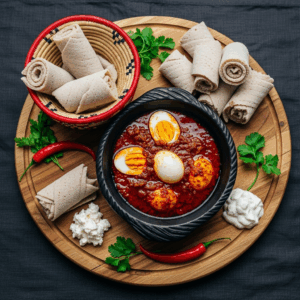
- doro Wat: A spicy chicken stew simmered in berbere spice and niter kibbeh, frequently enough served with a hard-boiled egg.
- Misir Wat: A robust red lentil stew flavored with berbere, perfect for vegetarians.
- Shiro: A silky chickpea or broad bean paste, delicately spiced and comforting.
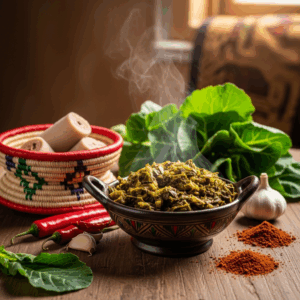
- Gomen: Tender collard greens cooked with garlic and onions.
Sampling these dishes together forms a colorful, aromatic feast full of tradition.
Q4: How does Ethiopian cuisine reflect the country’s cultural and religious diversity?
A4: Ethiopia’s rich tapestry of ethnic and religious traditions deeply influences its culinary practices. Many Ethiopian Christians observe fasting periods, during which they eat vegan meals, leading to an abundance of flavorful lentil and vegetable dishes. The intermingling of cultural groups has also shaped regional variations-from the spicy dishes of the southern regions to milder fare in the north. this diversity offers a culinary reflection of Ethiopia’s complex and harmonious societal fabric.Q5: Are there any special occasions or rituals where Ethiopian food plays a central role?
A5: Absolutely! Food is at the epicenter of Ethiopian celebrations and rites. The coffee ceremony,a sacred social ritual,involves roasting green coffee beans,brewing them in a jebena (clay pot),and serving the coffee in small cups,often accompanied by popcorn or roasted barley. During holidays like Meskel and Timkat, large feasts featuring abundant injera and stews are shared with family and community, reinforcing bonds and honoring tradition. These rituals turn eating into an immersive cultural experience.Q6: How can someone new to Ethiopian cooking begin to explore authentic recipes at home?
A6: Starting with a few key ingredients and simple dishes is ideal. Seek out teff flour for injera-though it can be challenging to find, some stores offer blends or substitutions. Experiment with making misir wat or shiro, where dried lentils and chickpea flour are staples. Invest in spices like berbere and niter kibbeh or find ways to prepare niter kibbeh yourself by infusing clarified butter with garlic, ginger, and warm spices. Pair your dishes with injera (or a substitute like sourdough flatbread) and embrace the communal style of serving to truly appreciate the authentic Ethiopian dining experience.
Q7: What is the best way to appreciate Ethiopian cuisine beyond just taste?
A7: To truly savor Ethiopian cuisine, immerse yourself in the shared experience it encourages. Eating with your hands,sharing dishes from a communal platter,and partaking in the coffee ceremony invite connection and mindfulness. Understanding the history behind the spices and ingredients deepens appreciation, as does learning about the stories each dish carries-from agricultural origins to religious customs.Ethiopian food is not just nourishment-it’s a celebration of heritage, community, and storytelling on a plate.
Concluding Remarks
As the rich aromas of berbere and the tender textures of injera linger in your memory,embracing authentic Ethiopian recipes offers more than just a meal-it’s an invitation to connect with centuries of culture,community,and celebration. each dish tells a story steeped in tradition, waiting for you to savor and share. So whether you’re rolling injera with your hands or savoring the vibrant stews, remember that exploring Ethiopian cuisine is a journey that nourishes both body and soul. Let these flavors inspire your kitchen adventures and deepen your appreciation for a culinary heritage that continues to thrive across time and tables worldwide.