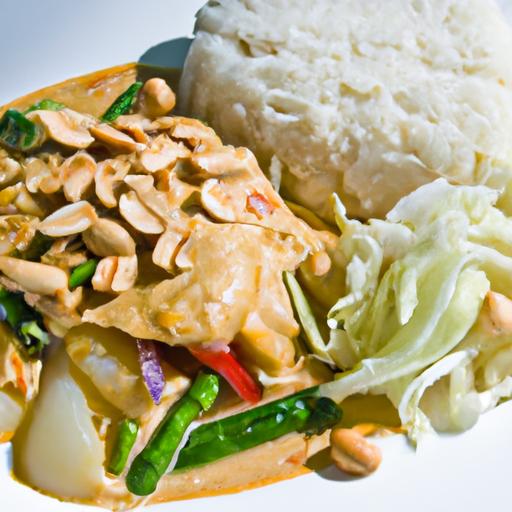
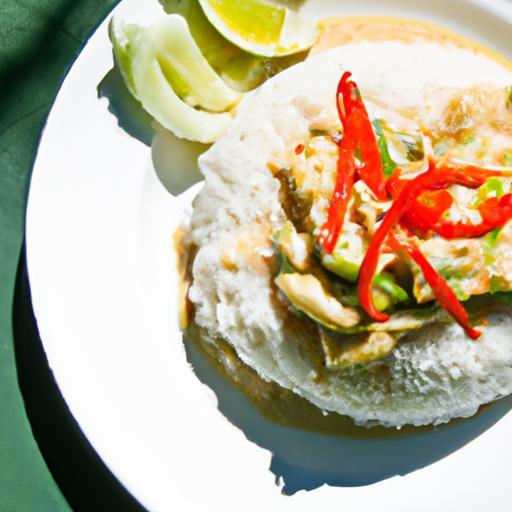
In the vibrant world of Thai Cooking, every dish tells a story—one layered with tradition, bursts of flavor, and centuries-old techniques passed down through generations. Unlocking Thai Cooking is more than simply gathering ingredients; it’s about mastering the essential techniques that transform simple elements into unique experiences. From the rhythmic pounding of herbs in a mortar and pestle to the delicate balance of sweet, sour, salty, and spicy, understanding these skills opens the door to authentic Thai Cooking. This art is what makes Thai Cooking a celebration of life, color, and community.
Join us as we embark on a flavorful journey to decode the secrets behind Thailand’s beloved dishes and embrace the joy of Thai Cooking at home. Unlocking Thai Cooking: Mastering Essential Techniques begins by immersing yourself in the world of vibrant aromas and balanced flavors that define Thai Cooking. Whether it’s the fragrant lemongrass or the punch of fresh chili, Thai Cooking thrives on contrast and harmony.
My journey with Thai Cooking began with a simple stir-fry and blossomed as I learned to balance spice, herbs, and sauces that elevate everyday meals into culinary art. The beauty of Thai Cooking lies in its mindfulness—each ingredient chosen with care, each movement intentional. Through practice, you’ll see how Thai Cooking invites creativity, warmth, and joy into your kitchen, transforming not only your food but also your cooking spirit.
prep and Cook Time
- preparation: 20 minutes
- Cooking: 15 minutes
- Total Time: 35 minutes
Yield
Serves 4 generously
Difficulty Level
Medium – perfect for home cooks ready to deepen thier Thai repertoire
Ingredients
- 2 tbsp vegetable oil (preferably peanut or coconut oil for authentic aroma)
- 4 cloves garlic, finely minced
- 2 shallots, thinly sliced
- 2 stalks lemongrass, white part only, bruised and finely chopped
- 1 Thai bird’s eye chili, finely chopped (adjust to taste)
- 200g boneless chicken breast, thinly sliced
- 150g fresh green beans, trimmed and halved
- 1 small carrot, julienned
- 3 tbsp Thai red curry paste (homemade or store-bought)
- 200ml coconut milk, full-fat
- 1 tbsp fish sauce
- 1 tsp palm sugar (substitute brown sugar if needed)
- Handful fresh Thai basil leaves, roughly torn
- juice of 1 lime
- Steamed jasmine rice, to serve
Step-by-Step Instructions
- Heat the oil in a large wok or heavy-bottomed skillet over medium-high heat. Once shimmering, add the garlic, shallots, and lemongrass. Stir-fry until fragrant and golden, about 2-3 minutes, taking care not to burn the aromatics.
- Add the bird’s eye chili and chicken slices. Sauté vigorously, ensuring the chicken cooks through and is lightly browned – about 5 minutes.
- Push the contents to the side of the wok, then add the red curry paste directly to the pan. Toast lightly in the hot oil for 1-2 minutes until the oils release and the paste deepens in color,stirring frequently to prevent sticking.
- Mix everything together,then pour in the coconut milk,stirring to combine. Allow the sauce to gently simmer for 3-4 minutes, thickening slightly and infusing the chicken and aromatics.
- Introduce the green beans and carrots to the pan. Stir-fry until they are crisp-tender, about 3 minutes – maintaining texture is key for authentic vibrancy.
- Season the dish with fish sauce and palm sugar. Adjust both to suit your balance preference, aiming for a delicate harmony between salty and sweet.
- Remove the wok from the heat and finish by folding in the fresh Thai basil leaves and lime juice. These final touches add brightness and freshness, elevating the layered flavors.
- Serve immediately over steaming jasmine rice, garnished with extra basil and a wedge of lime for visual appeal and extra zing.
Tips for Success
- Use a well-seasoned wok or a heavy skillet to ensure high, even heat – critical for perfect stir-frying.
- Prepping all ingredients beforehand is essential; stir-frying requires speedy, continuous cooking.
- Adjust chili heat gradually, as bird’s eye chilies can be very potent.
- Homemade curry pastes elevate flavor tremendously; try crafting your own with dried chilies, galangal, garlic, and shrimp paste for greater depth.
- If you prefer vegetarian, substitute chicken with firm tofu and use soy sauce instead of fish sauce.
- Leftovers keep well for up to two days but are best enjoyed fresh for vibrant flavor and texture.
Serving Suggestions
Plate with a vibrant bed of steaming jasmine rice and garnish with freshly torn Thai basil and thin slices of lime for a pop of color. A side of crisp cucumber salad or pickled vegetables complements this dish beautifully, cutting through the richness of the coconut milk while adding texture contrast.

| Nutrition per Serving | Amount |
|---|---|
| Calories | 420 kcal |
| Protein | 28 g |
| Carbohydrates | 18 g |
| Fat | 25 g |
For further exploration and inspiration on Thai cooking techniques, visit Serious Eats – Thai Cooking. to expand your recipe collection, check out our Homemade Thai Curry Paste Guide for more culinary mastery.
Q&A
Q&A: Unlocking Thai Cooking – Mastering Essential Techniques
Q1: why is mastering basic techniques crucial to cooking authentic Thai dishes?
A1: Thai cuisine is a vibrant dance of flavors-balancing sweet, sour, salty, bitter, and spicy. Mastering basic techniques like stir-frying, pounding, and balancing seasoning ensures that each bite captures this harmony. Without these skills, Thai food can become either bland or overwhelming, missing its signature delicate equilibrium.
Q2: What is the art of pounding in Thai cooking, and why is it vital?
A2: Pounding, usually done with a mortar and pestle, is more than just crushing ingredients. It’s a tactile ritual that releases essential oils and blends flavors at a molecular level, creating pastes, spice blends, and aromatic bases for curries and salads. This technique awakens the ingredients’ full potential-far beyond what a blender or knife can achieve.
Q3: How does stir-frying in Thai cuisine differ from other types of stir-frying?
A3: Thai stir-frying is lightning-fast and intensely aromatic. It often involves high heat,minimal oil,and quick addition of ingredients in a precise sequence. The goal is to preserve the freshness and texture of vegetables and proteins while infusing them with fragrant seasonings and sauces-resulting in dishes that are bright, crisp, and layered with flavor.
Q4: What role do balance and layering play in Thai seasoning?
A4: Unlike cuisines that focus heavily on salt or spice alone, Thai cooking is a masterclass in balance. Chefs thoughtfully layer fish sauce, lime juice, palm sugar, chilies, and herbs-not too much, not too little-to create a symphony of taste. Mastering this requires tasting as you go and adjusting each element until the flavors sing in harmony.
Q5: Can you share a beginner-friendly technique that unlocks authentic Thai flavor?
A5: Absolutely! Start with learning how to make a simple herb and chili paste using a mortar and pestle. It’s the base of many dishes and bursts with freshness. Then practice quick stir-frying your favorite protein with this paste,adding fish sauce,a pinch of sugar,and fresh lime juice at the end. This combo beautifully illustrates Thai balance and technique without overwhelming complexity.
Q6: How important is ingredient preparation in mastering Thai cooking techniques?
A6: Ingredient prep is foundational. Thai cuisine values finely sliced herbs, evenly chopped vegetables, and freshly pounded pastes. Precision affects cooking time,texture,and flavor release. Spend time mastering knife skills and preparation rituals-they set the stage for executing techniques flawlessly and bringing dishes to life.
Q7: what kitchen tools are essential for mastering Thai cooking techniques at home?
A7: Invest in a sturdy mortar and pestle-it’s the heart of Thai flavor extraction. A good wok or heavy skillet enables the high-heat stir-frying essential for that characteristic wok hei (breath of the wok). Sharp knives and a reliable cutting board help with fine chopping and slicing, setting up your dishes for success.
Q8: How can one practice these techniques to build confidence and authenticity?
A8: start small-master one technique per week, such as pounding curry paste or stir-frying vegetables just right. Cook simple dishes like Pad Krapow (holy basil stir-fry) to practice layering seasoning. Taste tools and dishes repeatedly,adjusting your approach. Over time,muscle memory and flavor intuition will grow,unlocking the magic of Thai cooking right in your kitchen.
in summary
As you wrap up your journey through the vibrant world of Thai cuisine, remember that mastering these essential techniques is more than just following recipes-it’s about embracing a culture rich in flavor, balance, and tradition. With each sliced chili, each fragrant stir, and every perfectly timed simmer, you unlock not only the secrets of Thai cooking but also a deeper recognition for the art that brings these dishes to life. So, roll up your sleeves, trust your senses, and let your kitchen become a gateway to the unforgettable tastes of thailand. The adventure is just beginning-now, it’s time to create your own culinary masterpiece.