

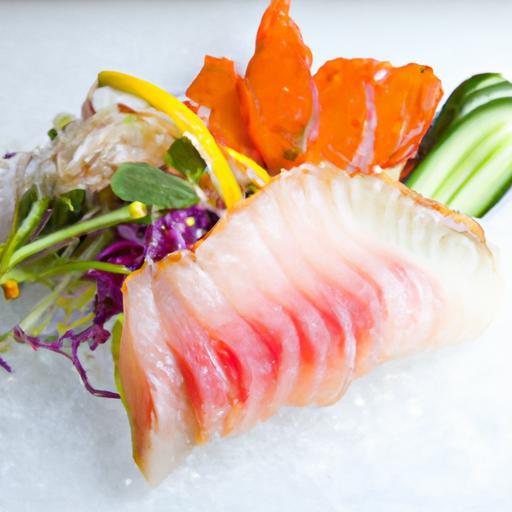
In the delicate world of Japanese cuisine, Japanese Sashimi stands as a timeless symbol of simplicity, balance, and culinary artistry. To master Japanese Sashimi is to embrace precision — each slice, each movement of the blade reflecting harmony between chef and ingredient. Far beyond raw fish, Japanese Sashimi celebrates freshness, texture, and the quiet beauty of restraint. Every plate of Japanese Sashimi tells a story about the sea, the season, and the chef’s deep respect for nature.
Japanese Sashimi is not merely food; it’s a discipline of purity and refinement. Mastering Japanese Sashimi begins with understanding the essence of flavor and flow — how every cut enhances the fish’s natural sweetness. The origins of Japanese Sashimi trace back to Japan’s Edo period, where it symbolized hospitality and the spirit of omotenashi. Today, Japanese Sashimi remains central to traditional dining, representing both precision and peace in every bite.
To create authentic Japanese Sashimi, the right tools matter. A sharp yanagiba knife defines each clean cut, keeping the texture of Japanese Sashimi smooth and luminous. The ritual of preparation — from cooling plates to ensuring perfect temperature — preserves the essence of Japanese Sashimi. Each slice must glisten, revealing freshness and purity.
Selecting the freshest fish is the cornerstone of perfect Japanese Sashimi. Always seek sashimi-grade seafood to ensure safety and sublime texture. Tuna, yellowtail, and flounder are staples of Japanese Sashimi, while uni and amaebi bring sweetness and contrast. These ingredients embody what Japanese Sashimi truly represents: honesty and harmony with nature’s bounty.
Mastering Japanese Sashimi at home transforms simple ingredients into culinary art. Through careful slicing, minimal seasoning, and mindful presentation, Japanese Sashimi becomes more than a dish — it becomes a meditation in taste. Whether enjoyed alone or shared with others, Japanese Sashimi connects the senses, the soul, and the timeless beauty of Japanese tradition.
Prep and Cook Time
Cook Time: None (serving raw)
Yield
Serves 2-3 as an appetizer or part of a larger meal
Difficulty Level
Medium – Requires knife skills and attention to freshness
Ingredients
- 150g sashimi-grade maguro (tuna) loin, skin removed
- 150g sashimi-grade hamachi (yellowtail), trimmed
- 1 tbsp soy sauce (preferably Japanese tamari)
- 1 tsp wasabi paste
- Fresh ginger slices, thinly sliced (for garnish)
- Shiso leaves or edible flowers for decoration
- Daikon radish, shredded finely for serving bed
- Optional: Yuzu or lemon zest, thinly grated
Instructions
- Chill your knife and cutting board: Place them in the refrigerator at least 10 minutes prior to prep to ensure clean and smooth slicing.
- Prepare the fish: Pat dry the tuna and yellowtail with paper towels to prevent slipping. Trim off any remaining skin or sinew gently with the knife tip.
- Cut with precision: Holding your yanagiba or sharp chef’s knife at a 45-degree angle, slice the fish in a single smooth motion into 0.5cm (¼ inch) thick pieces. Avoid sawing motions to keep edges clean.
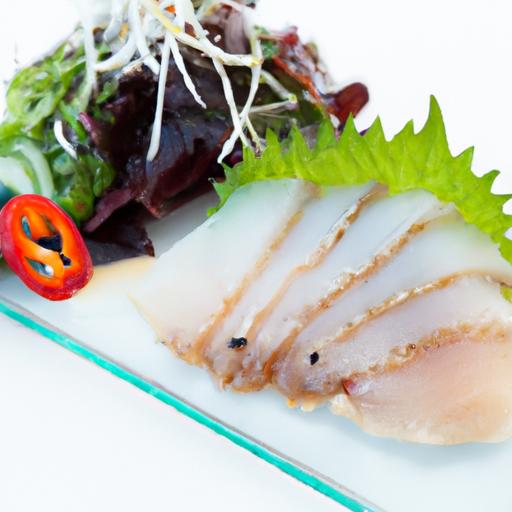
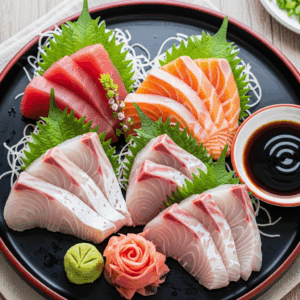
- Arrange the sashimi: On a chilled plate, create a bed of shredded daikon radish. Fan the sashimi slices artfully, alternating tuna and yellowtail to showcase color contrast.
- Garnish and serve: Place shiso leaves alongside the sashimi, add delicate slices of fresh ginger, and optionally, sprinkle a hint of yuzu zest on top.
- Accompaniments: Serve promptly with soy sauce and wasabi paste on the side. Mix wasabi directly into soy for a classic dipping sauce or dab delicately on each slice.
Chef’s Notes
- Freshness is paramount: Consume sashimi on the day of purchase. If not eating immediately, wrap tightly in plastic wrap and store on crushed ice in the fridge.
- Knife choice matters: If a yanagiba is unavailable, a very sharp sashimi or fillet knife is acceptable. Always hone your blade before slicing.
- Fish Alternatives: For beginners, try salmon sashimi which is rich, forgiving, and widely available.
- Make-ahead note: Slice right before serving to maintain texture. If you must slice earlier, keep fish chilled and covered to prevent drying.
- Safety tips: Use only fish labeled “sashimi-grade” and ensure proper refrigeration to minimize risk.
Serving Suggestions
Present your sashimi on a handcrafted Japanese plate or minimalist white porcelain to enhance colors. Use bamboo leaves or thinly sliced cucumber ribbons as natural accents. Enjoy your sashimi alongside a bowl of miso soup, a side of pickled ginger, and a chilled sake or green tea for a perfectly balanced meal experience.

| Nutrient | Per Serving (100g) |
|---|---|
| Calories | 120 kcal |
| Protein | 22 g |
| Carbohydrates | 1 g |
| Fat | 3 g |
To elevate your mastery beyond sashimi, discover our Japanese Sushi making Guide, which complements these skills perfectly. For more detailed safety guidelines and FDA recommendations on raw fish consumption, refer to the authoritative insights available at FDA Seafood Advice.
Q&A
Q&A: Mastering Japanese Sashimi – Authentic Recipes to Savor
Q1: What exactly is sashimi, and how is it different from sushi?
A: Sashimi is a traditional Japanese delicacy consisting of thinly sliced, fresh raw fish or seafood, served without rice. While sushi often includes vinegared rice paired with raw or cooked toppings, sashimi’s star is purely the raw ingredient itself-celebrated for its texture, flavor, and artful presentation. Think of sashimi as the purest expression of oceanic freshness, unadorned yet sublime.Q2: Why is freshness so crucial when preparing sashimi?
A: As sashimi is consumed raw, its freshness is paramount to both flavor and safety. the fish must be sourced from reputable suppliers and kept at optimal temperatures.Fresh fish offers a delicate sweetness, a melt-in-your-mouth texture, and no overpowering “fishy” smell. It’s the difference between a sublime culinary experience and a disappointing one.
Q3: Which fish or seafood are commonly used for authentic sashimi?
A: Classic sashimi staples include tuna (maguro), salmon (sake), yellowtail (hamachi), scallops (hotate), and octopus (tako). Each offers unique textures and flavors: silky tuna belly, buttery salmon, firm yellowtail, tender scallops, or chewy octopus. Exploring seasonal varieties like sea urchin (uni) or amberjack (kanpachi) can elevate your sashimi repertoire.
Q4: What essential knife skills should someone master to make perfect sashimi slices?
A: Sashimi slicing is an art form. The knife-often a long, thin yanagiba blade-should glide through the fish in a single, decisive motion, creating clean, even slices.Avoid sawing motions to preserve texture. Thickness varies by fish type but generally ranges from 1/8 to 1/4 inch. Mastery takes practice but unlocks an elegant presentation and sublime mouthfeel.
Q5: How can a home cook replicate authentic sashimi presentation?
A: Presentation is part of the sensory delight. Arrange slices carefully on a chilled plate, often atop shredded daikon radish or shiso leaves. Garnish with wasabi, ginger, and soy sauce on the side. Consider subtle accents like edible flowers or citrus zest to enhance aesthetics. Remember, sashimi should look as fresh and pristine as it tastes.
Q6: Are there any safety tips or guidelines to consider when eating or preparing sashimi at home?
A: Absolutely. Use sashimi-grade fish, which is frozen to kill parasites beforehand. Keep all ingredients and utensils impeccably clean. Serve sashimi promptly after slicing, and always store raw fish at proper refrigeration temperatures. If in doubt, consult your fishmonger or opt for varieties with lower risk, like farmed salmon.
Q7: Can you share a beginner-pleasant sashimi recipe to get started?
A: Certainly! For a simple yet authentic start, try Tuna Sashimi with Ponzu Sauce:
- Use 200g sashimi-grade tuna, sliced thinly.
- Arrange slices on a chilled plate over shredded daikon.
- Mix ponzu sauce (citrus soy sauce) with a touch of grated ginger.
- serve with wasabi and pickled ginger on the side.
The citrus notes in ponzu complement the rich tuna beautifully, offering a refreshing, balanced bite.
Q8: How does mastering sashimi deepen one’s gratitude of Japanese cuisine?
A: Mastering sashimi is embarking on a journey into Japan’s reverence for purity, seasonality, and craftsmanship. It teaches mindfulness of ingredient quality,sharpens knife skills,and fosters a connection to the ocean’s bounty. Savoring sashimi becomes not just about food, but an elegant celebration of nature and culinary art.
with these insights and tips, you’re well-equipped to savor sashimi like a seasoned connoisseur-elevating your kitchen into an authentic Japanese dining experience. Happy slicing!
In Retrospect
As you’ve journeyed through the delicate art of mastering Japanese sashimi, you now hold more than just recipes-you possess a deeper appreciation for a culinary tradition that celebrates purity, precision, and patience. Whether slicing the freshest catch or perfecting that subtle soy-dashi dip, each step invites you closer to the heart of Japanese flavor craftsmanship. So sharpen your knives, trust your instincts, and let each sashimi creation be not just a dish but an experience to savor, share, and honor. Your path to authentic sashimi mastery has only just begun-immerse yourself, explore boldly, and may every bite be a tribute to the timeless elegance of Japan’s oceanic bounty.