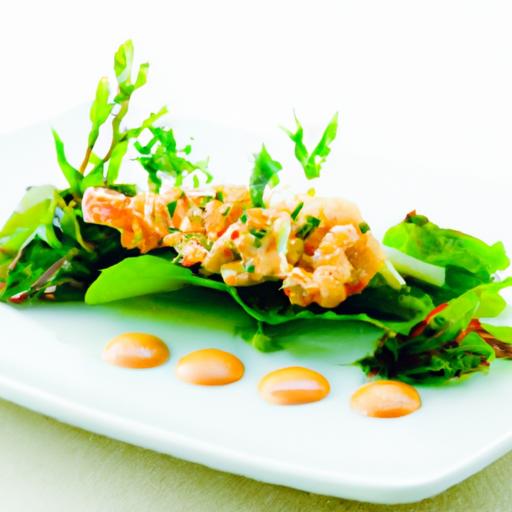
In a world saturated with rapid fixes and fleeting diet trends, the timeless wisdom of Japanese whole foods offers a refreshing pathway to vibrant health and lasting vitality. Rooted in centuries of tradition and a profound respect for nature’s bounty, thes nutrient-rich ingredients unlock secrets that go far beyond mere sustenance.From the delicate embrace of seaweed to the hearty simplicity of fermented soy, Japanese whole foods embody a philosophy where nourishment meets mindfulness-inviting us to rediscover the art of eating well, naturally. Join us as we delve into the remarkable power of these wholesome treasures and uncover how they continue to inspire well-being across the globe.
Unlocking health secrets thru the power of Japanese whole foods reveals a treasure trove of nutrition-rich,ancient ingredients that have sustained vibrant communities for centuries. One standout is Kinpira Gobo, a simple yet deeply flavorful sautéed burdock root and carrot dish that embodies the essence of Japanese superfoods: nourishing, fibrous, and packed with antioxidants. This recipe brings together humble roots, doused in a perfect balance of savory and sweet, making it an inspiring addition to any modern diet focused on wellness.
Prep and Cook Time
- Planning: 15 minutes
- Cooking: 15 minutes
- Total Time: 30 minutes
Yield
Serves 4 as a side dish
Difficulty Level
Easy
Ingredients
- 200g burdock root (gobo), peeled and julienned
- 100g carrot, peeled and julienned
- 1 tbsp sesame oil
- 2 tbsp soy sauce (preferably low-sodium)
- 1 tbsp mirin
- 1 tbsp sake
- 1 tsp sugar
- 1 tbsp toasted sesame seeds, for garnish
- Water, as needed for soaking
Instructions
- Soak the burdock root: To remove bitterness and prevent discoloration, soak the julienned burdock root in a bowl of cold water for 10 minutes. Drain and pat dry with a clean towel.
- Prepare the vegetables: Cut the carrot into thin matchstick pieces similar in size to the burdock for even cooking.
- Heat the oil: In a large skillet or wok, heat the sesame oil over medium heat until shimmering.
- Sauté vegetables: Add the burdock root and carrot to the skillet. Stir-fry for about 5 minutes until the burdock softens slightly but still retains a pleasant crunch.
- Add flavorings: Pour in the soy sauce, mirin, sake, and sprinkle sugar evenly over the vegetables. stir well to coat all pieces.
- Simmer gently: Reduce heat to low, and cook for an additional 5-7 minutes, stirring occasionally. add a tablespoon of water if the mixture looks dry to prevent sticking and help flavors meld.
- Finish and garnish: Once the liquid has mostly evaporated and the burdock is tender but crisp, remove from heat. Sprinkle toasted sesame seeds evenly on top before serving.
Tips for Success
- use fresh burdock root for the best texture and flavor; dried or frozen options don’t provide the same crunch or earthiness.
- Julienne all vegetables uniformly to ensure even cooking and a visually appealing dish.
- Mirin adds subtle sweetness and depth; if unavailable,substitute with a mix of 1 tsp sugar dissolved in 1 tbsp white wine vinegar.
- Make-ahead tip: This dish keeps well refrigerated for up to 3 days and tastes even better as the flavors meld overnight.
- For a vegan adaptation, confirm your soy sauce and mirin are vegan-kind versions.
Serving Suggestions
this nourishing Kinpira Gobo pairs beautifully with steamed brown rice or as part of a larger bento box spread. Garnish with a sprinkle of toasted sesame seeds and a small slice of pickled ginger on the side to elevate presentation. For an elegant touch, serve atop a delicate bed of mixed greens dressed lightly with rice vinegar and sesame oil to complement its earthy richness. Use attractive ceramic dishes to evoke the authentic Japanese aesthetic, inviting guests to experience both health and heritage in every bite.

| Nutrient | Per Serving |
|---|---|
| Calories | 110 kcal |
| Protein | 2g |
| Carbohydrates | 15g |
| Fat | 5g |
Unlocking Health Secrets Through Practical Tips to Source and Prepare
Incorporate these authentic whole foods by sourcing burdock root and customary Japanese condiments at Asian markets or reputable online vendors specializing in organic and artisanal ingredients. When preparing,always rinse root vegetables well and cut uniformly to preserve texture. Embrace simplicity – letting the natural earthiness of burdock and radiant sweetness of carrot shine through with minimal seasoning,enhancing the innate superfood benefits. Consuming such dishes regularly unlocks the health secrets hidden in these time-honored Japanese ingredients, making wellness deliciously attainable.
For further exploration and to enhance your culinary repertoire,be sure to check out our in-depth guide on Japanese Superfoods for Everyday Health. For reliable nutritional data, the National Institutes of Health offers excellent research on Burdock Root Health Benefits.
Q&A
Q&A: Unlocking Health Secrets – The Power of Japanese Whole Foods
Q1: What makes Japanese whole foods stand out from other diets?
A1: Japanese whole foods are a harmonious blend of nature’s bounty and centuries-old wisdom.Unlike processed fare, these foods emphasize minimal intervention-think vibrant vegetables, seaweed, fermented delights, and fresh seafood. This simplicity preserves nutrients and flavors, nurturing the body with pure, unadulterated goodness. The Japanese diet isn’t just about what you eat; it’s about honoring food as medicine, crafting a living tradition of wellness.
Q2: How do traditional Japanese whole foods contribute to longevity?
A2: Known for having one of the highest life expectancies in the world, the Japanese owe much of their vitality to their food. Rich in antioxidants, omega-3 fatty acids, and fiber, their meals fight inflammation, protect cardiovascular health, and support gut microbiota balance. Fermented staples like miso and natto foster digestion and immunity, while seaweed provides iodine essential for thyroid function. The synergy of these ingredients creates a powerful formula for long, healthy lives.
Q3: Can the power of Japanese whole foods be adapted to other cultures and diets?
A3: Absolutely! The beauty of japanese whole foods lies in their universal principles: eating seasonally, choosing natural, minimally processed ingredients, and savoring each bite mindfully. While the exact foods might differ-imagine swapping seaweed for local greens or fermented soy for regional pickles-the core philosophy translates beautifully anywhere. It’s less about copying a cuisine and more about embracing a lifestyle that respects food as nourishment and healing.
Q4: What role does fermentation play in Japanese whole foods?
A4: fermentation is the secret alchemy of Japanese cuisine. By transforming simple ingredients like soybeans, rice, and vegetables, fermentation enhances flavor complexity and boosts nutritional value. Fermented foods such as miso, natto, and pickled vegetables teeming with probiotics support a thriving gut ecosystem, which is foundational to overall health. This ancient technique turns humble staples into potent superfoods that energize and fortify the body.
Q5: How can someone looking to improve their health start incorporating Japanese whole foods today?
A5: Begin with small, mindful swaps: add seaweed salads to your meals, experiment with miso soups, or sprinkle toasted sesame seeds over your dishes. Embrace brown rice rather of white, and try simple fermented snacks like pickled cucumbers or kimchi-inspired sides. Most importantly, approach eating with curiosity and gratitude. By tuning into the rhythms of natural, whole foods, you’ll unlock a vibrant wellspring of health secrets rooted in Japanese tradition.
Future Outlook
As we peel back the layers of Japan’s culinary heritage, it becomes clear that the true power of its whole foods lies not just in their nutrients, but in the mindful simplicity with which they are embraced. From the gentle umami of seaweed to the ancient wisdom tucked inside a bowl of miso, these foods invite us to reconnect with nature’s rhythms and savor wellness in its purest form. Unlocking the health secrets of Japanese whole foods is more than a dietary choice-it’s an invitation to cultivate balance, longevity, and a deeper recognition for the nourishing gifts that food can offer. As you embark on your own journey toward vibrant health, let these time-honored ingredients inspire you to eat with intention, live with harmony, and savor every bite as a step toward a healthier, more vibrant you.