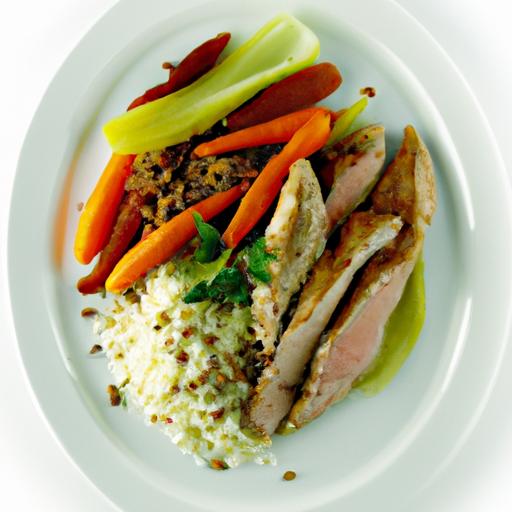
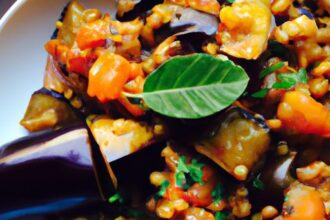
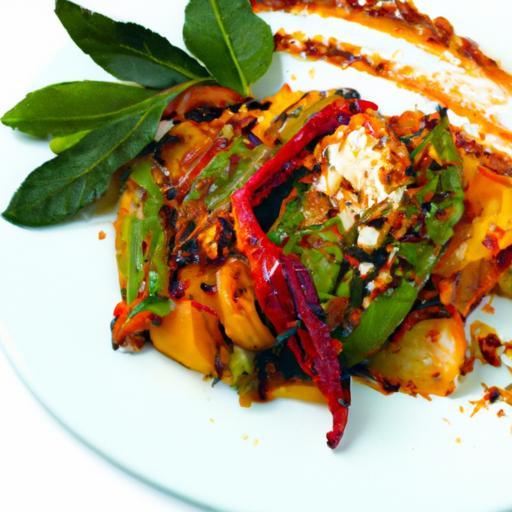
Paleo Cooking Methods invite us to rediscover a world where food and fire shared an ancient bond. In today’s fast-paced age, Paleo Cooking Methods stand as a tribute to simplicity, authenticity, and elemental nourishment. Before modern kitchens and instant meals, Paleo Cooking Methods shaped how early humans cooked — with instinct, flame, and natural tools. Through Paleo Cooking Methods, we reconnect with those primal roots, transforming raw, wholesome ingredients into hearty dishes that awaken the senses. Cooking becomes not just an act, but an experience — one that unites fire, earth, and flavor in perfect harmony.
At the heart of Paleo Cooking Methods lies an appreciation for fire — the original and most powerful cooking tool. From roasting and stone-grilling to slow-smoking, Paleo Cooking Methods capture the purity of natural flavor. Each technique highlights the integrity of ingredients: meats seared over open flames, vegetables roasted in embers, and roots cooked beneath hot stones. These Paleo Cooking Methods don’t rely on additives or processed oils; instead, they draw out the essence of food itself. By embracing Paleo Cooking Methods, we honor the wisdom of our ancestors and the nourishment of the natural world.
Bringing Paleo Cooking Methods into today’s kitchen is easier than it seems. Modern tools can replicate the primal experience — cast iron pans, wood-fired grills, and clay ovens all mirror traditional techniques. By adopting Paleo Cooking Methods, you can create nutrient-rich, flavorful meals that align with natural eating principles. Think of slow-cooked stews, fire-roasted meats, or grilled vegetables infused with smoky depth. The beauty of Paleo Cooking Methods is in their adaptability — blending ancient craftsmanship with modern convenience while preserving authenticity and wellness in every bite.
Beyond taste and technique, Paleo Cooking Methods embody a lifestyle rooted in wellness. Cooking with fire promotes mindfulness — you engage your senses, slow down, and connect with your food. These Paleo Cooking Methods encourage clean eating, using whole ingredients free from artificial additives. The result is a nourishing experience that strengthens both body and spirit. As you explore Paleo Cooking Methods, you rediscover the joy of simplicity — meals that heal, flavors that ground you, and a culinary journey that reminds us why fire will always be the heart of true nourishment.
Prep and Cook Time
Prep: 15 minutes | Cook: 40 minutes | Total: 55 minutes
Yield
Serves 4
Difficulty Level
Medium – Perfect for adventurous home cooks eager to master paleo fire-based techniques
Ingredients
- 2 lbs organic free-range chicken thighs, bone-in and skin-on
- 3 tbsp avocado oil or rendered animal fat
- 4 cloves garlic, crushed
- 1 tbsp fresh rosemary, finely chopped
- 1 tbsp fresh thyme leaves
- 2 tsp smoked paprika
- 1 tsp dried wild sage
- 2 medium carrots, peeled and cut into thick sticks
- 1 large sweet potato, peeled and cubed
- 1 medium red onion, quartered
- Salt and black pepper to taste
- Juice of 1 lemon
- Fresh parsley, roughly chopped, for garnish
instructions
- Marinate the chicken: In a large bowl, combine avocado oil, crushed garlic, rosemary, thyme, smoked paprika, wild sage, salt, and pepper. Massage the marinade thoroughly into the chicken thighs.Cover and refrigerate for at least 30 minutes, allowing the ancient herb flavors to permeate.
- Prepare the fire or grill: Whether using a cast iron skillet over live flames or a modern grill, aim for medium-high heat. Let the fire burn down to glowing embers for even cooking and that signature paleo-char.
- Roast the root vegetables: Toss carrots, sweet potatoes, and red onion with a drizzle of avocado oil and a pinch of salt. Wrap them loosely in foil or place on a grill-safe tray.
- Cook the chicken: Place marinated chicken thighs skin-side down on the hot cooking surface.Sear until golden and crisp, about 6-8 minutes, flip and cook an additional 7-10 minutes until cooked through (internal temperature of 165°F/74°C). Use tongs to avoid piercing the skin, locking in juices.
- Grill the vegetables: Near the chicken or over indirect heat,roast the veggies until tender and caramelized,about 25-30 minutes,turning occasionally. You’ll notice a smoky sweetness developing, echoing paleo flavor profiles.
- Rest and finish: Remove chicken and veggies from heat. Drizzle with fresh lemon juice, sprinkle chopped parsley over the top, and allow the chicken to rest 5 minutes before serving to enhance juiciness.
Chef’s Notes
- To heighten the ancient flavor, substitute the avocado oil with rendered marrow or wild boar fat when available.
- If you lack access to a grill or open flame, use a cast iron skillet and finish the chicken under the broiler for a crisp finish.
- This dish is highly adaptable – swap root vegetables seasonally (parsnips, beets, or celeriac work beautifully).
- Make ahead: Marinate chicken overnight for deeper flavor; roasted veggies can be prepped and warmed before serving.
- For a smoky depth, add a small pile of hardwood chips to your grill or fire pit, but avoid resinous woods to prevent bitterness.
Serving Suggestions
Present your paleo feast on rugged wooden platters or rustic ceramic dishes to maintain the Stone Age vibe. Pair with a vibrant green salad tossed in lemon vinaigrette or fermented sauerkraut for gut-kind probiotics. Garnish with additional herbs like rosemary sprigs or wild garlic flowers for an elegant, earthy finish.

| Nutrient | Per Serving |
|---|---|
| Calories | 420 kcal |
| Protein | 36 g |
| Carbohydrates | 18 g |
| Fat | 22 g |
For those fascinated by flame and flavor, this recipe is a tangible link to our ancestors’ culinary roots. Embrace the crackling fire, the primal aromas, and the simplicity of pure ingredients to fully unlock your paleo cooking potential. To dive deeper into paleo nutritional science, visit the British Nutrition Foundation.
Q&A
Q: What is “Paleo cooking” and why is it gaining popularity?
A: Paleo cooking is an approach that draws inspiration from the diets and cooking techniques of our ancient ancestors, focusing on whole, unprocessed foods like meats, vegetables, nuts, and fruits.It’s gaining popularity as it taps into a primal desire for clean eating and reconnects us with nature’s original pantry, promising nutrient-dense meals without modern additives or artificial ingredients.
Q: How do ancient flames differ from modern cooking heat sources?
A: Ancient flames primarily involved wood fires, open flames, embers, and hot stones-each imparting unique flavors and textures. Unlike the controlled and consistent heat of modern ovens or stovetops, ancient cooking required skill in managing variable heat, timing, and smoke to coax out the best in simple ingredients.
Q: What are some traditional Paleo cooking methods that can be used in today’s kitchen?
A: Techniques like roasting over an open flame, pit cooking buried under coals, stone grilling, and smoke curing are classic Paleo methods.Modern adaptations include using cast iron skillets to mimic hot stone cooking, grilling over charcoal for smoky flavors, or slow-cooking tough cuts of meat to tenderness, embracing the primal essence of fire-based cuisine.Q: Can Paleo cooking accommodate diverse flavors and culinary creativity?
A: Absolutely! While it limits processed ingredients, Paleo cooking encourages creativity with herbs, spices, and natural flavor boosters like citrus, nuts, and fermented foods. By focusing on fresh, seasonal ingredients and primal techniques, cooks can craft vibrant, layered dishes that are as exciting as they are wholesome.
Q: What are the health benefits linked to embracing ancient cooking styles?
A: Cooking methods from ancient times often preserve nutrients better by avoiding over-processing, excessive oil, or added sugars. The emphasis on whole foods combined with cooking over fire can reduce chemical contaminants and promote digestion. Moreover, the ritual of cooking simply and mindfully can foster a deeper connection to food and well-being.
Q: How can someone begin experimenting with Paleo cooking at home?
A: Start by investing in a few foundational tools like a cast iron pan, a good grill or grill pan, and some wood chips for smoking.Focus on simple proteins and fresh produce, than try techniques like roasting, searing, or slow baking wrapped in leaves or parchment paper.Don’t be afraid to get a little smoky and explore the rich, elemental flavors unlocked by fire.
Q: Is Paleo cooking only about following rules or can it be a lifestyle?
A: While rooted in specific principles, Paleo cooking is more of a lifestyle embracing the spirit of ancient nourishment. It’s about honoring natural ingredients, respecting the process, and celebrating food’s elemental connection to fire and earth. It invites a joyful exploration of heritage, health, and hearty flavors, rather than strict restriction.
Q: What stories do ancient flames tell through food?
A: Every flicker and ember carries the tale of human survival, ingenuity, and celebration. Ancient flames whisper of hunter-gatherers feasting over communal fires, sharing stories and sustenance. Through Paleo cooking, we tap into these stories-reclaiming a bond with ancestors and rekindling a timeless relationship between flame, food, and life.
The Conclusion
As we close the chapter on unlocking ancient flames, we step away from the flicker of prehistoric hearths with more than just recipes-we carry forward a legacy of primal connection, resilience, and resourcefulness. Paleo cooking methods are more than a nod to the past; they are an invitation to embrace simplicity, honor natural ingredients, and awaken flavors forged in fire and time. Whether you’re lighting your first flame or perfecting your roasting technique, remember that each ember you stoke is a bridge to our ancestors’ wisdom-a timeless dance between earth, heat, and nourishment. So gather your tools, summon the spirit of ancient kitchens, and let your culinary journey ignite anew.