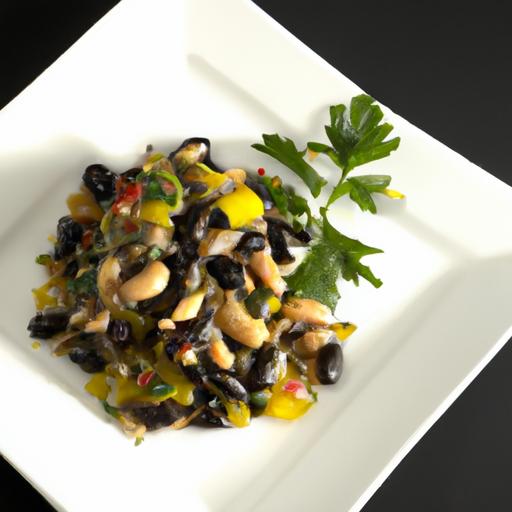
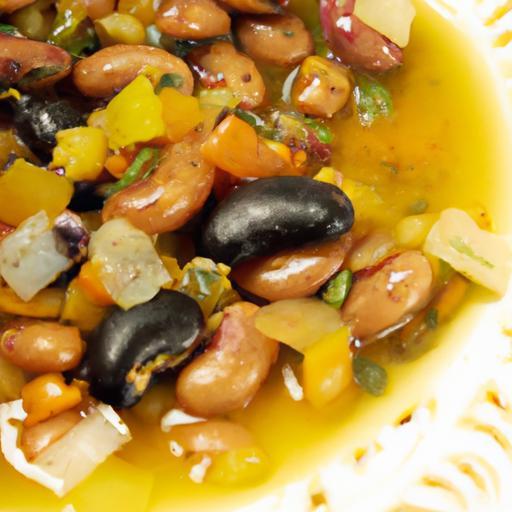
Nestled within the vibrant culinary tapestry of West africa lies a humble yet flavorful treasure: Salatu Niebe, Senegal’s beloved black-eyed pea delight. This dish, rich in history and brimming with nutritional goodness, tells a story far beyond it’s simple ingredients. From bustling markets to family kitchens, Salatu Niebe weaves together tradition, culture, and community, offering a savory experience that is both comforting and captivating. Journey with us as we uncover the secrets behind this iconic Senegalese recipe,exploring how it nourishes body and soul while celebrating the unique flavors of the region.
Discover Senegal’s Salatu Niebe: The Black-Eyed Pea Delight
Discover Senegal’s Salatu Niebe, a vibrant and nourishing dish that beautifully showcases the humble black-eyed pea in Senegalese cuisine. This beloved recipe is not just a staple food but a symbol of cultural heritage, community gatherings, and healthful tradition. Its earthy flavors and comforting texture make it a must-try for anyone eager to explore authentic West African cooking.
Prep and Cook Time
- Preparation: 15 minutes
- Cooking: 45 minutes
- Total Time: 1 hour
Yield
Serves 4 comfortably
Difficulty Level
Medium – perfect for home cooks looking to expand their culinary skills with traditional African flavors.
Ingredients
- 2 cups dried black-eyed peas (soaked overnight and drained)
- 1 medium onion, finely chopped
- 3 cloves garlic, minced
- 1 large ripe tomato, diced
- 2 tablespoons peanut oil or vegetable oil
- 1 teaspoon smoked paprika
- 1 teaspoon ground cumin
- 1 fresh hot chili pepper, finely chopped (optional, adjust to taste)
- 1 small bunch fresh parsley or cilantro, chopped
- 1 teaspoon salt, or to taste
- 1/2 teaspoon black pepper
- 4 cups water or vegetable broth
- Juice of 1 lime (for finishing)
Instructions
- Rinse the soaked black-eyed peas thoroughly under cold water.
- Heat the peanut oil in a heavy-bottomed pot over medium heat.
- sauté the onion and garlic until soft and fragrant, about 5 minutes, stirring occasionally to prevent burning.
- Add the diced tomato and cook down for another 5 minutes, allowing the mixture to become slightly saucy.
- Stir in the smoked paprika,ground cumin,and chopped chili pepper,mixing thoroughly to release their aromas.
- Add the drained black-eyed peas and pour in the water or broth,ensuring the peas are well-covered.
- Bring to a boil, then reduce the heat to low and let it simmer gently for 40 minutes or until the peas are tender but not mushy.
- Season with salt and black pepper, then stir in the lime juice for a shining finishing touch.
- Sprinkle freshly chopped parsley or cilantro before serving for a vibrant burst of color and freshness.
Chef’s Notes: tips for Success
- Soak the peas overnight to reduce cooking time and improve texture.
- For a smoky depth, try adding a small piece of smoked ham or dried fish if you want to experiment with non-vegetarian flavors.
- If you prefer a creamier texture, lightly mash some of the peas as they finish cooking.
- balance heat by adjusting the chili quantity or omit it for a milder dish enjoyed by all ages.
- make-ahead pleasant: Salatu Niebe stores well and tastes even better after a day when the flavors meld.
Serving suggestions
Serve this uplifting dish over steamed white rice or millet to capture the full cultural experience. Complement it with a side of sautéed greens or a crisp cabbage salad. Garnish with extra fresh herbs and a wedge of lime for added zest.A dollop of creamy yogurt or a drizzle of palm oil can add richness and authenticity to your presentation.

Nutritional Benefits and health Perks of Black-Eyed Peas
Beyond their delightful taste, black-eyed peas are nutritional powerhouses.They offer a rich source of plant-based protein,essential for muscle repair and energy. These legumes are also packed with dietary fiber, which supports digestion and helps maintain stable blood sugar levels. Vital minerals like iron, potassium, and magnesium included in Salatu Niebe contribute to heart health and strong bones, while antioxidants in the dish combat inflammation and oxidative stress.
| Nutrient | Amount per Serving | Health Perk |
|---|---|---|
| Calories | 210 kcal | Provides energy without excess fat |
| Protein | 13 g | Muscle building and repair |
| Carbohydrates | 35 g | Long-lasting energy |
| Fat | 3 g | Healthy fats support brain function |
Origins and Cultural Significance of salatu Niebe in Senegalese Cuisine
Rooted deeply in senegal’s rich culinary landscape, Salatu Niebe carries history and meaning beyond the plate. Traditionally enjoyed during communal gatherings and festive celebrations, this dish epitomizes generosity and home-cooked authenticity. Black-eyed peas,known locally as “niebe,” symbolize luck,prosperity,and resilience,values that resonate throughout Senegalese communities. The preparation methods have been passed down through generations, keeping alive the essence of this beloved comfort food.
Traditional Preparation Methods for an Authentic Salatu Niebe Experience
The slow-simmering method is key to unlocking the full signature flavor of Salatu Niebe. Traditionally,peas are soaked overnight then cooked over a gentle flame for hours,allowing each pea to soften perfectly without losing its shape. Aromatics like onions,garlic,and spices are carefully sautéed in palm or peanut oil to build a fragrant base,a hallmark of the dish’s heartwarming taste. Using fresh herbs at the end enhances the overall depth and freshness, honoring time-honored techniques.
Tips and Tricks for Enhancing Flavor in Your Homemade Salatu Niebe
To elevate your homemade Salatu Niebe beyond the basics, consider these flavorful touches:
- Toast your spices lightly before adding for extra aroma and depth.
- incorporate smoked meats or dried fish to introduce traditional umami notes that enrich the hearty peas.
- Add a splash of tamarind or a hint of vinegar near the end of cooking for balanced acidity that brightens the dish.
- Finish with a drizzle of cold-pressed peanut oil instead of plain oil for an authentic nutty undertone.
- Make use of quality fresh herbs to lift flavors and add vibrant color when plating.
For more on traditional Senegalese recipes, explore our article on Senegal’s Signature Thieboudienne. For deeper nutritional insights, check the NIH report on legumes and health.
Q&A
Q&A: Discover Senegal’s Salatu Niebe – The Black-Eyed Pea Delight
Q1: What is Salatu Niebe, and why is it special in Senegalese cuisine?
A: Salatu Niebe is a vibrant, flavorful Senegalese salad made primarily from black-eyed peas.More than just a dish, it’s a celebration of tradition and simplicity combined with rich cultural heritage.Loved for its hearty texture and refreshing taste,Salatu Niebe stands out as a nutritious delight that offers both sustenance and comfort.
Q2: Where does the name ‘Salatu niebe’ come from?
A: The name is deeply rooted in Senegal’s Wolof language – “Salatu” meaning salad, and “Niebe” referring to black-eyed peas.Together, the name literally means “black-eyed pea salad,” reflecting the core ingredient that gives the dish its distinctive character.
Q3: What ingredients make Salatu Niebe so unique?
A: At its heart, Salatu Niebe features tender black-eyed peas mixed with vibrant fresh vegetables like tomatoes, onions, and bell peppers. Bright herbs such as parsley or cilantro add freshness,while a splash of citrus juice and a hint of chili create a perfect balance of tangy,spicy,and earthy flavors. Sometimes, a drizzle of peanut oil or a sprinkle of roasted peanuts is included for an extra textural dimension.
Q4: How is Salatu Niebe traditionally prepared?
A: Preparation begins with soaking and boiling the black-eyed peas until tender but not mushy. They are then cooled before being tossed together with diced vegetables, herbs, and seasoning. The key is achieving a harmonious blend where each ingredient shines without overpowering the others – a true testament to Senegalese culinary finesse.
Q5: What occasions or settings is Salatu Niebe typically enjoyed?
A: Salatu Niebe is versatile – served as a refreshing starter at family gatherings, a light lunch on a sunny day, or a side dish complementing grilled fish or meat. It’s often present during celebrations and communal meals,embodying the spirit of sharing and togetherness that senegalese culture cherishes.
Q6: Can Salatu Niebe be adapted for modern or global palates?
A: Absolutely! While maintaining its authentic roots, chefs and home cooks worldwide can experiment by adding avocado slices, crumbled feta, or even roasted sweet potatoes for unique twists. Its naturally gluten-free and plant-based profile makes Salatu Niebe a hit among health-conscious eaters looking to explore African flavors.
Q7: Why should food lovers add Salatu Niebe to their culinary repertoire?
A: Salatu Niebe offers a delicious gateway into Senegal’s rich food tradition – it’s nourishing, colorful, and simple to make. Beyond taste, it invites diners to connect with a culture where food is a pathway to community, history, and joy. Trying Salatu Niebe means savoring a dish that’s as soulful as it is satisfying.
In Summary
As we conclude our flavorful journey through Senegal’s Salatu Niebe, it’s clear that this humble black-eyed pea dish is much more than a simple meal-it’s a vibrant celebration of culture, history, and community. Each spoonful carries the essence of Senegalese traditions, the warmth of shared gatherings, and the nourishing power of nature’s bounty.Whether you’re a seasoned food adventurer or a curious newcomer, embracing Salatu Niebe offers a delicious gateway into the heart of west African cuisine. So next time you seek a taste that tells a story, let the black-eyed pea delight of Senegal be your guide.