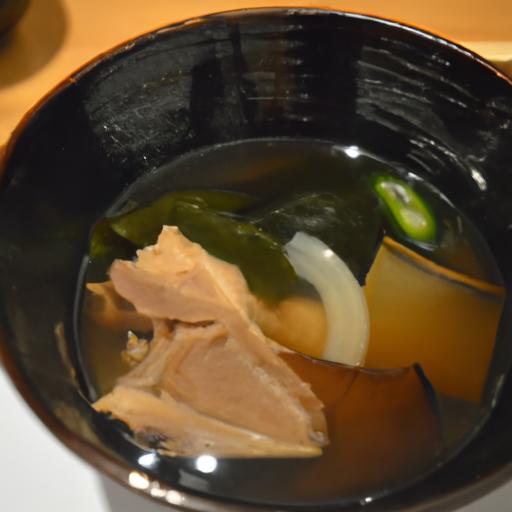



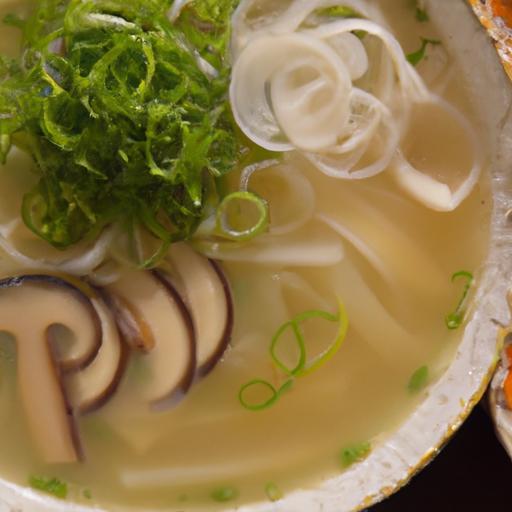
In the heart of Japan’s rich culinary tapestry lies a soothing element that transcends mere nourishment-soup. Whether simmering gently on a rustic stove or artfully presented in a bustling city eatery, authentic Japanese soups offer more than just warmth; they tell stories of tradition, seasonality, and soul.From the delicate umami of miso too the hearty embrace of tonjiru, each bowl invites you to experience Japan’s unique blend of simplicity and depth. Join us as we embark on a flavorful journey through time-honored recipes that not onyl comfort the body but also nourish the spirit-savor Japan, one authentic soup at a time.
Authentic Japanese Soup Recipes are a heartwarming reflection of Japan’s deep culinary heritage, blending comfort, artistry, and balance in every bowl. Within the world of Authentic Japanese Soup Recipes, you’ll find not just meals but soulful experiences crafted to nourish both body and spirit. Whether prepared at home or enjoyed in a serene eatery, Authentic Japanese Soup Recipes reveal how Japan transforms simple ingredients — miso, tofu, seaweed, and dashi — into masterpieces of taste and tranquility. Each spoonful of Authentic Japanese Soup Recipes connects you with centuries of tradition and the mindful beauty of Japanese cooking.
From the gentle umami of miso to the hearty satisfaction of tonjiru, Authentic Japanese Soup Recipes offer a taste of Japan’s soul. These Authentic Japanese Soup Recipes are born from the philosophy of harmony — a delicate balance between nature, flavor, and nourishment. A bowl of miso soup in the morning or a warming nabe shared with family at night brings people together through the comforting spirit of Authentic Japanese Soup Recipes. Each recipe reflects Japan’s seasonal rhythm, reminding us that warmth and wellness come from mindful simplicity and connection to the land.
Creating Authentic Japanese Soup Recipes is more than cooking — it’s an act of self-care. With each step, from simmering the broth to tasting the perfect blend of umami, Authentic Japanese Soup Recipes invite you into a ritual of calm and creativity. The beauty of Authentic Japanese Soup Recipes lies in their ability to transform humble ingredients into nourishing, flavorful art. As you savor these Authentic Japanese Soup Recipes, you’ll rediscover how true comfort food can restore balance, evoke emotion, and warm the soul — one bowl at a time.
Savor Japan: Authentic Soup Recipes to Warm Your Soul invites you to uncover the depth and harmony woven into every bowl of customary Japanese soup. These delicately balanced broths, wich have comforted generations, reflect centuries of culinary artistry deeply rooted in Japanese culture. Whether it’s the robust umami of a classic miso soup or the crystal-clear clarity of a dashi-based broth, these soups embody warmth, simplicity, and nourishment. Join me as we explore the essential ingredients and step-by-step crafting of these iconic soups, plus thoughtful pairing ideas that will elevate your Japanese soup experience to new heights.
Prep and Cook Time
- Preparation: 15 minutes
- cooking: 20 minutes
- Total Time: 35 minutes
Yield
Serves 4 comfortably
Difficulty Level
Easy to Medium – Perfect for home cooks eager to embrace authentic flavors.
Key Ingredients That Define Authentic Japanese Soup Flavors
- Dashi Stock: The heartbeat of most Japanese soups, made traditionally from kombu (dried kelp) and katsuobushi (smoked bonito flakes). This umami-rich broth is lightly savory with oceanic notes.
- Miso Paste: Fermented soybean paste that adds depth and a gentle tang. White (shiro) miso offers mild sweetness while red (aka) miso provides a stronger, earthier flavor.
- Tofu: Soft or silken tofu pieces introduce creamy texture and subtle protein contrast.
- Scallions and Wakame: Thinly sliced scallions and rehydrated wakame seaweed bring freshness and vibrant greens.
- Seasoning: Minimal salt or soy sauce, as dashi and miso provide the foundational taste.
Step by Step Guide to Crafting Classic Miso and Clear Broths
- Prepare the Dashi Stock: Gently rinse a 4-inch piece of kombu to remove surface impurities. In a medium pot,combine the kombu with 4 cups of cold water and slowly heat over medium flame until just before boiling (around 60 minutes for maximum umami extraction). Remove the kombu before the water boils to avoid bitterness.
- Add Bonito Flakes: Onc the kombu is removed, add 1 cup of katsuobushi flakes. Let it steep off the heat for 5 minutes, then strain the liquid through a fine mesh sieve lined with cheesecloth.this is your clear dashi broth.
- For Miso Soup base: Return 4 cups of dashi to the stove on low heat. Place 1/2 cup white or red miso paste in a small bowl and ladle a bit of hot dashi into it. Whisk until smooth, then gradually stir this mixture back into the pot without boiling to preserve the probiotics and flavors.
- Add Soft Tofu and Wakame: Cube 7 oz silken tofu carefully and rehydrate 1 tbsp dried wakame in warm water for 5 minutes. Add both to the miso soup and heat gently for two minutes.
- Final Touches: Garnish with thinly sliced 2 scallions and serve instantly,ensuring the soup is hot but not boiling to keep the delicate flavors intact.
tips for Success: Elevate Your Japanese Soup Experience
- Choose Quality Ingredients: For the best flavor, use fresh kombu and premium katsuobushi flakes. Store miso paste refrigerated and airtight to maintain its rich taste.
- Do Not Boil Miso: Boiling miso kills its natural enzymes and alters the flavor. Always add miso at low heat or off the stove.
- Silken vs. Firm Tofu: Silken tofu offers creaminess, but firm tofu works well if you prefer a chewier bite.
- Make Ahead: Dashi can be made in advance and refrigerated for up to 3 days or frozen for a month – a handy shortcut for busy days.
- Variations: Explore seasonal vegetables like enoki mushrooms or daikon radish added to the broth for complexity and texture.
Pairing Suggestions to Elevate Your Japanese Soup Experience
Pair your bowls of authentic Japanese soup with light, complementary dishes to create a balanced meal that reflects the harmony of Japanese cuisine:
- Steamed Rice or Onigiri: Plain steamed rice or hand-formed rice balls wrapped with nori perfectly soak up the brothy goodness.
- Tsukemono (Japanese pickles): The shining, tangy crunch of pickled vegetables adds contrast and refreshes the palate.
- Grilled Fish or yakitori: Mildly seasoned grilled fish or skewered chicken provide protein without overpowering the soup’s subtle flavors.
- Green Tea: A delicate cup of sencha or genmaicha enhances the umami experience and aids digestion.
| Nutrient | Per Serving |
|---|---|
| calories | 70 |
| Protein | 7g |
| Carbohydrates | 5g |
| Fat | 2g |

For an extended exploration of Japanese culinary culture, check out our in-depth guide to Kaiseki dining – a beautiful tradition that pairs well with soups and highlights seasonal ingredients.
Discover more about the significance of dashi in Japanese cooking on the official Japan Guide – an excellent high-authority resource.
Q&A
Q&A: Savor Japan – Authentic Soup Recipes to Warm Your Soul
Q1: What makes Japanese soups uniquely comforting compared to other cuisines?
A1: Japanese soups embody a delicate harmony of flavors – subtle,nuanced,and deeply rooted in seasonal ingredients. Unlike heavily spiced broths, they soothe the soul with gentle umami notes from dashi (a broth made from kombu seaweed and bonito flakes) and fresh, simple ingredients.This balance creates a comforting experience that feels like a warm embrace in a bowl.
Q2: Which Japanese soup would you recommend to someone experiencing their first taste of authentic Japanese cuisine?
A2: Miso soup is the quintessential starter. It’s a humble yet profound introduction featuring savory miso paste, soft tofu, seaweed, and scallions. Each spoonful offers a taste of tradition that’s both nourishing and soul-soothing – a perfect gateway to Japanese home cooking.
Q3: How do Japanese soups reflect the country’s connection to nature and seasons?
A3: Japanese soups are deeply seasonal, highlighting fresh, local produce that changes throughout the year. Spring’s tender bamboo shoots and cherry blossoms, summer’s cooling cucumber and eggplant, autumn’s rich mushrooms and chestnuts, and winter’s hearty root vegetables all find their way into broths. This seasonal storytelling in a bowl connects diners to the land and its rhythms.
Q4: What are some essential pantry staples for crafting authentic Japanese soups at home?
A4: To savor japan’s soul-warming soups, stock up on these essentials: kombu and bonito flakes for dashi, miso paste (red, white, or mixed varieties), tofu, wakame seaweed, shiitake mushrooms, mirin, soy sauce, and fresh scallions. These ingredients serve as the foundation for countless soup recipes bursting with umami depth.
Q5: Can Japanese soups be adapted for modern dietary preferences like vegetarian or vegan diets?
A5: Absolutely! While traditional dashi usually relies on seafood, vegetarian or vegan dashi can be crafted using kombu and dried shiitake mushrooms, delivering rich umami without animal products.Paired with plant-based miso and fresh veggies, these soups are both authentic and inclusive, nurturing body and conscience alike.
Q6: What role does soup play in Japanese culture and daily life?
A6: Soup is a daily ritual in Japanese households,often served with every meal. Beyond nourishment, it embodies mindfulness and respect for ingredients, symbolizing care and community. Sharing a warm bowl is a gesture of hospitality,a way to connect across generations and seasons,and a delicious reminder that food is as much about heart as it is indeed about taste.
Q7: How can beginners approach mastering Japanese soup techniques without feeling overwhelmed?
A7: Start simple. Focus on perfecting a basic dashi stock and a classic miso soup.Embrace the philosophy of “less is more” – allowing ingredients to shine without overcomplicating. Step by step, let your palate guide you.Soon, experimenting with additions like tofu, vegetables, or noodles becomes an intuitive joy, not a challenge.
With these insights, dive into Japan’s soul-warming soups and let each recipe be a journey, serving up comfort, culture, and a splash of culinary magic. Savor Japan – one spoonful at a time.
In Conclusion
As you embark on your culinary journey through the heart of Japan’s comforting soups, remember that each bowl tells a story-of tradition, regional flavors, and the simple joy of nourishment. Whether it’s the delicate umami of miso, the hearty embrace of tonjiru, or the soothing clarity of a clear dashi broth, these recipes invite you to savor not just the taste but the soul of Japan. So gather your ingredients, ignite your stove, and let these authentic soups warm more than your body-they’ll warm your spirit too. Here’s to discovering the art of comfort, one spoonful at a time.