There’s something irresistibly comforting about teh crackle of golden batter giving way to tender, flaky fish, paired with perfectly crisp chips steaming hot from the fryer. Fish and chips isn’t just a meal; it’s a beloved british tradition steeped in history, culture, and culinary craft. From humble street stalls to upscale gastropubs, this iconic dish has captured the hearts (and taste buds) of generations. In “Crispy Delight: Mastering the authentic British Fish & Chips,” we’ll dive deep into the secrets behind that signature crunch, the freshest fish choices, and the artful balance of flavors that make this classic recipe truly unforgettable. get ready to bring a slice of Britain’s quintessential comfort food right into yoru kitchen.
Choosing the Perfect Fish for traditional British Fish and Chips
Crispy Delight: Mastering the Authentic British Fish & Chips begins with selecting the freshest, highest-quality fish to achieve that unmistakable melt-in-your-mouth texture beneath a cloud of golden, crackling batter. Traditional British fish and chips rely on flaky white fish varieties like cod, haddock, or pollock. Cod, with its delicate and mild flavour, is frequently enough the star, prized for its tender flakes that beautifully contrast the crispy coating. Haddock offers a slightly sweeter,richer taste and a firmer flesh,making it perfect for those who favor a heartier bite. Pollock is also a sustainable, wallet-friendly alternative that doesn’t compromise on texture or flavor.
When buying your fish, look for firm, translucent fillets with no strong fishy odor. Freshness is key to prevent soggy batter, so preferably source your fish from a trusted fishmonger early in the day. Skin-on fillets are ideal, as the skin helps hold the fish together during frying while adding an extra layer of flavor and texture.
Crafting the Ultimate batter for Irresistible Crispiness
Achieving that iconic British fish and chips crunch is a carefully balanced act of science and artistry. The secret lies in a light,airy batter that crisps instantly on contact with hot oil,sealing in moisture. Combine cold sparkling water or lager beer with self-raising flour and a pinch of baking powder to create a batter that rises beautifully while frying.
maintaining the batter’s chill is crucial-cold batter hitting hot oil results in that sought-after snap and crisp. Avoid overmixing to keep a lacy, delicate texture; a few lumps are perfectly fine. For extra flavor, a touch of salt and white pepper, or even optional herbs like dried thyme, can be folded in gently.
Secrets to Achieving the Ideal Frying Temperature and Timing
Temperature control is the cornerstone of flawless results-overly hot oil burns the batter before the fish cooks,while too low a temperature yields greasy,soggy results. Aim for an oil temperature of 175-180°C (350-360°F). Use a reliable kitchen thermometer for accuracy.
Lower the battered fillets carefully into the oil, ensuring not to overcrowd the pan to preserve oil temperature and prevent steaming. Fry for about 4-6 minutes, turning once midway, until the batter is a deep golden-brown and the fish flakes easily with a fork.
Drain on a wire rack or paper towels to allow excess oil to escape, keeping every bite wonderfully crisp.
Classic Sides and Sauces to Elevate Your Fish and Chips Experience
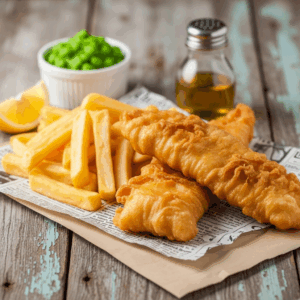
No British fish and chips meal is complete without its iconic accompaniments. Thick-cut chips fried twice become gloriously fluffy inside and golden outside-season generously with sea salt and a sprinkle of malt vinegar for that nostalgic tang. Traditional mushy peas, bursting with freshness and a hint of mint, add vibrant color and texture, balancing the rich fish and batter flawlessly.
For sauces, tartar sauce with capers, a sharp lemony mayo, or a smooth homemade curry sauce can instantly elevate your plate. Don’t forget a wedge of fresh lemon and a sprinkling of chopped parsley for that final flourish-each element enhances the crispiness and flavor, turning your homemade batch into a true celebration of British culinary heritage.
Prep and Cook Time
- Preparation: 20 minutes
- Cooking: 15 minutes
- Total: 35 minutes
Yield
Serves 4 generous portions
Difficulty Level
Medium – perfect for confident home cooks eager to master authentic British techniques
Ingredients
- 4 large cod or haddock fillets (about 180g / 6 oz each), skin on and pin boned
- 1 cup self-raising flour, sifted
- 1 teaspoon baking powder
- ½ teaspoon fine sea salt
- ½ teaspoon white pepper
- 1 cup cold sparkling water or chilled lager beer
- Vegetable oil, for deep frying (enough for a deep pan)
- 4 large potatoes (for chips), peeled and cut into chunky fries
- Sea salt and malt vinegar for seasoning
- Lemon wedges and fresh parsley, chopped for garnish
- Optional: tartar sauce, mushy peas, or curry sauce for serving
Instructions
-
- Prepare the chips: Rinse the cut potatoes in cold water to remove excess starch. Pat dry thoroughly and parboil in salted water for 5 minutes until just tender but not falling apart. Drain and allow to dry fully on a kitchen towel.
- Heat oil for chips: Fill a deep fryer or large,deep pan with vegetable oil and heat to 140°C (285°F).Fry chips in batches for about 5 minutes until soft but pale. Remove and drain on paper towels.
- Make the batter: In a chilled bowl, mix flour, baking powder, salt, and pepper.Gradually whisk in cold
- sparkling water or lager until smooth but still thick enough to coat the fish.
- Heat oil for fish: Increase oil temperature to 175-180°C (350-360°F). Pat fish fillets dry, then dust lightly with plain flour to help batter adhere.
- Batter and fry fish: Dip each fillet into batter, letting excess drip off before carefully submerging in hot oil. Fry for 4-6 minutes, turning gently once, until batter is golden and crisp, and the fish flakes.
- Finish chips: Raise oil temperature back to 180°C (350°F). Return chips to the hot oil and fry again for 2-3 minutes to crisp and color. Drain on paper towels, season immediately with sea salt and malt vinegar.
- Plate and serve: Arrange fish and chips on a platter. Garnish with lemon wedges, chopped parsley, and serve with your favorite sides like mushy peas and tartar sauce.
Tips for Success
- Keep batter cold: Place your mixing bowl over ice or chill ingredients beforehand to ensure a crisp, light coating.
- Don’t overcrowd the fryer: This lowers oil temperature and results in greasy, soggy batter.
- Use a thermometer: Accurate oil temperature check is essential for perfect crispiness.
- Double fry chips: This two-step frying method ensures irresistibly crispy outside with fluffy centers.
- Make ahead: Parboil and dry chips in advance, then fry fresh before service.
Serving Suggestions
Serve your crispy fish and chips on classic newspaper for an authentic feel or rustic wooden boards for an
elevated presentation. Accompany the plate with a bowl of tangy malt vinegar, wedges of freshly cut lemon, and creamy tartar sauce. For a splash of color and texture, add vibrant mushy peas or a side of fresh garden peas mashed with a hint of mint. Crisp pickled gherkins or a mild curry sauce add delightfully British touches that complement the savory richness.

| nutrient | Per Serving |
|---|---|
| calories | 620 kcal |
| Protein | 43 g |
| Carbohydrates | 55 g |
| Fat | 28 g |
For a deeper dive into British culinary traditions, check out our collection of authentic British recipes. Also, learn more about fish sustainability from the Marine Stewardship Council.
Q&A
Q&A: Crispy Delight – Mastering the Authentic British Fish & Chips
Q1: What makes British fish and chips so iconic?A1: british fish and chips are more then just food-they’re a culinary tradition steeped in history. The iconic combination of flaky white fish enveloped in a golden, crispy batter paired with thick-cut chips offers a perfect harmony of textures and flavors. It’s comfort food that evokes seaside towns,bustling fish-and-chip shops,and a true taste of British culture.
Q2: Which type of fish is best for authentic fish and chips?
A2: The classic choices are cod or haddock, prized for their mild flavor and tender, flaky flesh. Cod tends to be slightly sweeter and firmer, while haddock has a delicate smoky note.Both hold up beautifully to the light, crunchy batter essential to authentic fish and chips.
Q3: What’s the secret to the perfect batter?
A3: the key is a simple, balanced batter made from flour, sparkling water or beer, and a pinch of salt. The carbonation creates airy bubbles that fry up into a light, crisp coating. Avoid over-mixing to keep the batter delicate and ensure that gloriously crackling crust that shatters deliciously with every bite.Q4: How do you achieve chips with the ideal texture?
A4: Thick-cut potatoes, frequently enough Maris Piper or King Edward
varieties, are best. Parboil the potatoes first, then dry them thoroughly before frying twice-first at a lower temperature to cook through, then at a higher heat to crisp the exterior. This double-fry method produces fluffy interiors and golden, crunchy exteriors.
Q5: What condiments and accompaniments complete the experience?
A5: Traditional accompaniments include a generous splash of malt vinegar to cut through the richness, a dollop of tartar sauce for creamy tang, and mushy peas for a comforting, herby contrast. Don’t forget the humble salt-essential for that perfect seasoning balance.
Q6: Can you replicate the seaside aroma and ambiance at home?
A6: Absolutely! Cooking fish and chips at home can fill the kitchen with that nostalgic seaside scent. Use fresh ingredients, maintain proper oil temperature, and serve immediately on greaseproof paper or classic newspaper-style wrapping. Pair with a cold British ale or sparkling lemonade to evoke the full experience.
Q7: Are there any common pitfalls to avoid?
A7: Overcrowding the fryer is a big no-no-it drops the oil temperature, resulting in soggy batter. Also,avoid greasy or heavy batters,and don’t skip the double fry for chips. Fresh oil and fresh fish are paramount; the better the ingredients, the closer you get to that authentic crispy delight.
Mastering authentic British fish and chips is a journey of texture, tradition
, and taste.With the right ingredients and techniques, your kitchen can become a little British chippy, serving up crispy delights that transport you straight to the charming coasts of the UK.
In Conclusion
as the golden batter cracks beneath your fork and the tender flakes of fish mel
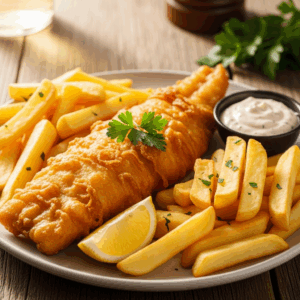
t effortlessly on your tongue, you’ll realize that mastering authentic British fish and chips is more than just a recipe-it’s a celebration of tradition, texture, and taste. With the right crisp, seasoning, and a touch of culinary patience, you can bring this iconic comfort food from the bustling streets of Britain straight to your own kitchen. So don your apron, fire up the fryer, and embark on your own crispy delight journey-as nothing quite matches the simple joy of perfectly cooked fish and chips, a timeless classic worthy of every bite.