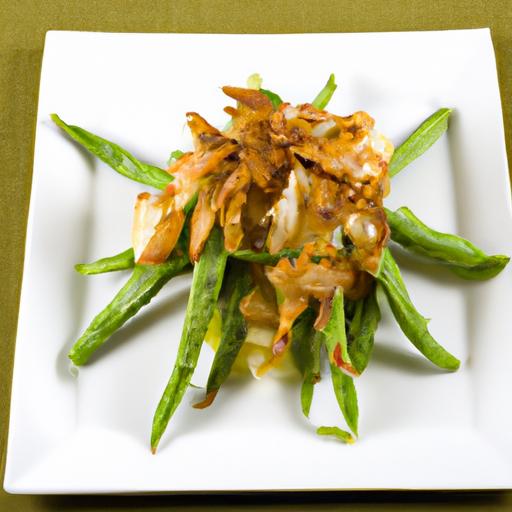
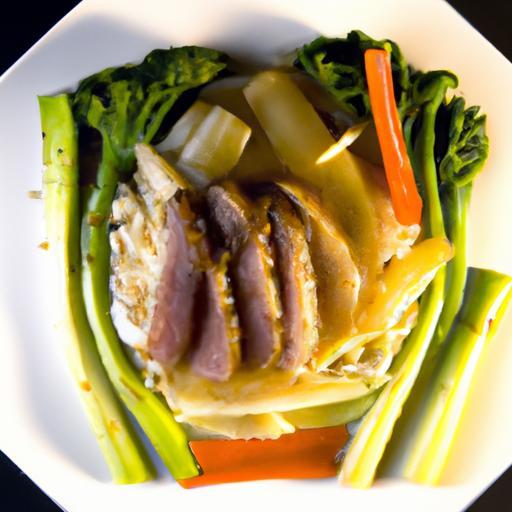
Embarking on a culinary adventure through the vibrant world of Asian cuisine is more than just following a recipe-it’s about unlocking the secrets behind time-honored cooking techniques that bring bold flavors and striking textures to life.From the sizzling stir-fries of china to the delicate steaming traditions of Japan, mastering Asian cooking techniques invites you to explore a rich tapestry of culture, history, and artistry with every chop, toss, and simmer. In this flavorful journey, we’ll dive deep into the essential methods that form the backbone of Asian kitchens, empowering you to transform everyday ingredients into extraordinary dishes bursting with authenticity and zest. Weather you’re a seasoned cook or a curious newcomer, prepare to elevate your culinary skills and awaken your palate with the dynamic rhythms of Asian cooking.
Mastering Asian Cooking Techniques is your gateway to a world of authentic taste and culinary creativity. From the first chop to the final sizzle, Mastering Asian Cooking Techniques reveals how to balance spices, sauces, and aromas with precision and grace. The essence of Mastering Asian Cooking Techniques lies in understanding the harmony between heat, timing, and texture.
Through Mastering Asian Cooking Techniques, you’ll learn the art of stir-frying, where quick motion and controlled flames bring dishes to life. Whether you’re creating noodles, rice, or meat dishes, Mastering Asian Cooking Techniques teaches you to craft meals rich in color, aroma, and satisfaction. The tradition of Mastering Asian Cooking Techniques celebrates centuries of Asian wisdom passed through generations of skilled cooks.
Every time you practice Mastering Asian Cooking Techniques, you refine your connection with flavor and culture. This guide transforms your kitchen into a place of discovery, proving that Mastering Asian Cooking Techniques is not only about recipes — it’s about respect for balance, freshness, and heritage. By embracing Mastering Asian Cooking Techniques, you’ll gain the confidence to reimagine Asian dishes with authenticity and joy. Truly, Mastering Asian Cooking Techniques opens the door to endless culinary adventure and flavorful success.
Prep and Cook Time
- Planning Time: 15 minutes
- cooking Time: 10 minutes
- Total time: 25 minutes
Yield
Serves 4 as a main dish
Difficulty Level
Medium – Perfect for home cooks ready to refine their Asian kitchen skills
Ingredients
- 2 tablespoons vegetable oil (preferably peanut or grapeseed)
- 3 cloves garlic, finely minced
- 1-inch piece fresh ginger, peeled and julienned
- 2 small red chilies, sliced thin (adjust to taste)
- 1 medium onion, thinly sliced
- 1 red bell pepper, julienned
- 200g boneless chicken breast or firm tofu, cut into bite-sized pieces
- 1 cup snap peas, trimmed
- 2 tablespoons light soy sauce
- 1 tablespoon oyster sauce (or vegetarian mushroom sauce)
- 1 teaspoon toasted sesame oil
- 1 teaspoon sugar (palm sugar preferred)
- ½ cup chicken or vegetable stock
- 2 teaspoons cornstarch mixed with 2 tablespoons water (slurry)
- Fresh cilantro or sliced scallions for garnish
Instructions
- Prepare the wok: Heat the wok over high heat until it starts to smoke lightly-this is the hallmark of proper wok mastery. Add vegetable oil and swirl to coat evenly.
- Sauté aromatics: Quickly add garlic, ginger, and red chilies, stirring constantly.Allow them to sizzle and become fragrant, about 30 seconds. This releases deep flavor layers.
- Add protein: Toss in the chicken or tofu pieces. Stir-fry vigorously until they turn golden, approximately 4 minutes. Keep the ingredients moving to prevent sticking and overcooking.
- Incorporate vegetables: Add the onions, bell pepper, and snap peas. Continue tossing for 2 minutes until the vegetables are tender-crisp, bursting with color and texture.
- Build the sauce: Pour in soy sauce,oyster sauce,sesame oil,sugar,and stock. mix well and let the mixture bubble gently for 1-2 minutes to meld the flavors.
- thicken the sauce: Stir in the cornstarch slurry slowly, watching the sauce thicken and beautifully cling to every morsel. Remove from heat onc desired consistency is reached.
- Final touch: Transfer to a serving plate and garnish with fresh cilantro or sliced scallions. serve piping hot and enjoy the complex harmony developed through these essential techniques.
chef’s Notes & Tips for Success
- Wok seasoning: Ensure your wok is properly seasoned to develop natural non-stick properties and enhance flavor over time.
- High heat is key: Stir-frying is a high-heat, rapid cooking technique; keep ingredients moving to avoid burning.
- Customize spice levels: Adjust the quantity of red chilies based on your heat preference or omit for milder dishes.
- Marinate protein: For extra tenderness, marinate chicken or tofu in a tablespoon of soy sauce and a teaspoon of sesame oil for 15 minutes before cooking.
- Sauce variations: Replace oyster sauce with hoisin or black bean sauce for different regional profiles.
- Make-ahead: Pre-chop all vegetables and mix sauce ingredients into a jar for speedy weekday cooking.
serving Suggestions
Present your dish atop steaming bowls of fragrant jasmine rice or alongside fluffy vegetable fried rice for a wholesome Asian feast. For an added burst of freshness, sprinkle crushed peanuts or toasted sesame seeds. Pair with a crisp cucumber salad dressed in rice vinegar or a side of steamed bok choy drizzled with soy-ginger dressing to elevate your dining experience.

| Nutrient | Per Serving |
|---|---|
| Calories | 280 kcal |
| Protein | 24g |
| Carbohydrates | 15g |
| Fat | 12g |
For further exploration into Asian culinary arts, discover our comprehensive guide on signature asian sauces and marinades. To deepen your understanding of wok technique and its cultural context,visit the Serious Eats wok frying guide.
Q&A
Q&A: Mastering Asian Cooking Techniques – A Flavorful Journey
Q1: What makes Asian cooking techniques unique compared to other culinary traditions?
A: Asian cooking techniques are a vibrant tapestry woven from centuries of cultural evolution, geography, and ideology. What sets them apart is their balance of flavors-sweet, sour, salty, bitter, and umami-and their emphasis on technique as much as ingredients.From the high-heat stir-frying of Chinese cuisine to the delicate steaming of dim sum, each method prioritizes texture, aroma, and harmony. The focus isn’t just on cooking food but crafting an experience that engages all the senses.
Q2: Which essential cooking techniques should beginners master to start their Asian culinary journey?
A: For beginners, mastering these four techniques creates a solid foundation: stir-frying, steaming, braising, and deep-frying.Stir-frying, using intense heat and quick movement, preserves freshness and crunch. Steaming retains natural flavors and nutrients, perfect for fish and dumplings. braising allows tough cuts of meat to transform into tender delights infused with rich sauces. Deep-frying adds irresistible crispness, a hallmark of many Asian snacks and appetizers. Alongside these, understanding the art of knife skills and sauce balancing will elevate any dish.
Q3: How do Asian cooking techniques incorporate the concept of balance and harmony?
A: At the heart of Asian cuisine lies the principle of yin and yang-balance and harmony. Techniques are designed to modulate heat, moisture, and time to ensure each ingredient shines without overpowering others. For example, searing proteins quickly on high heat locks in juices (yang), while slow simmering in a flavorful broth (yin) mellows and deepens flavors.The interplay between crispy textures and soft inners, spicy notes and subtle sweetness, reflects this philosophy, creating dishes that feel balanced on the palate and nourishing to the soul.
Q4: How crucial is the wok in Asian cooking, and what makes it special?
A: The wok isn’t just a pan-it’s a culinary instrument central to many Asian kitchens.its unique rounded shape enables rapid heat distribution and airflow, allowing ingredients to sear, steam, and toss with ease. This versatility means you can stir-fry vegetables in minutes, slow-braise meats, or even deep-fry with less oil. Beyond function, the wok encourages a dynamic cooking style-quick, fluid, and intuitive-that infuses dishes with smoky “wok hei” (breath of the wok), a flavor prized for its enticing char and aroma.
Q5: Can mastering Asian cooking techniques help in creating healthier meals?
A: Absolutely! Many Asian cooking methods emphasize freshness, minimal oil, and preserving nutrients. Steaming, poaching, and quick stir-frying require less fat and maintain the vibrant colors and textures of vegetables and proteins. Moreover, the use of fermented condiments like miso or soy sauce introduces beneficial probiotics and complex flavors without heavy reliance on cream or butter. This combination of technique and ingredient choice makes Asian cooking a flavorful path to wholesome, balanced meals.
Q6: What advice would you give to someone eager to explore Asian cooking at home?
A: Dive in with curiosity and patience. Start with simple recipes that highlight one or two techniques-perhaps perfecting a stir-fried vegetable dish or a steamed dumpling. invest in good-quality basic tools like a wok, bamboo steamer, and sharp knives.Don’t rush sauces; balancing ingredients like soy sauce, rice wine vinegar, sesame oil, and chili can make all the difference. And most importantly, embrace the journey-the mishaps, the smells, the tastes-as each step brings you closer to mastering the art of Asian cuisine and enriching your culinary soul.
Key Takeaways
As you close the chapter on this flavorful journey through mastering Asian cooking techniques, remember that each stir, steam, and sizzle is more than just a method-it’s a story woven through centuries of culture and tradition. Embracing these techniques not onyl elevates your culinary skills but also opens a vibrant gateway to rich, diverse flavors waiting to be explored. So, whether you’re tossing rice in a hot wok or gently folding dumplings, let your kitchen become a canvas where ancient wisdom meets your unique creativity. The adventure of Asian cooking is endless; all that’s left is for you to take that next delicious step.