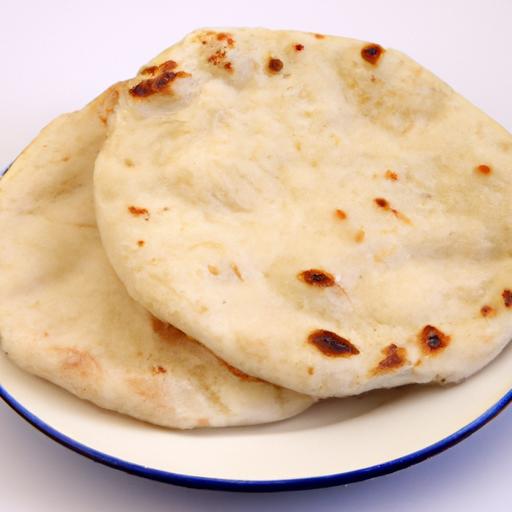


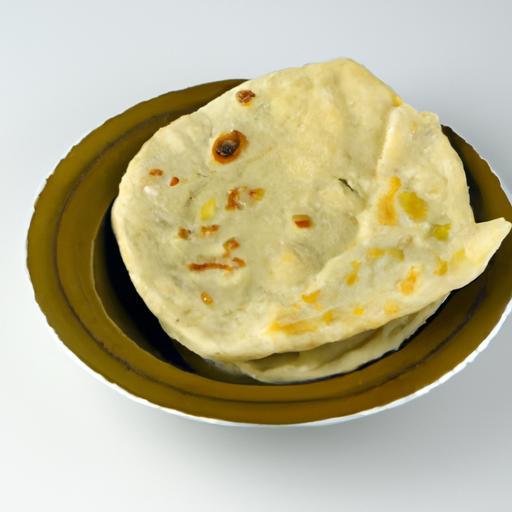
Golden,flaky,and irresistibly soft,Kenyan chapati bread is more than just a staple on East african tables-it’s a culinary story woven from history,culture,and shared moments.This humble flatbread, with its delicate layers and buttery aroma, carries the whispers of ancient trade routes and the warmth of bustling kitchens where generations have perfected its art.Whether enjoyed alongside spicy stews or savored on its own, Kenyan chapati offers a delicious gateway into the vibrant flavors and traditions of East Africa. Join us as we peel back the layers of this beloved bread and explore what makes it a truly flaky delight.
Kenyan Chapati Bread is a culinary treasure from East Africa, celebrated for its irresistibly flaky texture and golden, buttery layers. This versatile flatbread, born from a fusion of Indian and Kenyan culinary traditions, stirs fond memories of family gatherings and bustling street vendors. The magic lies in mastering the technique and understanding the traditional ingredients, each playing a pivotal role in achieving that signature softness combined with crisp, flaky edges.
Prep and Cook Time
- Readiness: 25 minutes
- Resting: 1 hour
- Cooking: 15-20 minutes
- Total Time: Approximately 1 hour 45 minutes
yield
Makes 8-10 medium-sized chapatis, perfect for a family meal or as an accompaniment to a variety of dishes.
Difficulty Level
Medium – requires some kneading and rolling skills, but with practice, anyone can master the art.
Ingredients
- 3 cups all-purpose flour, sifted for lightness
- 1 tsp salt, to enhance flavor
- 1 tbsp sugar, optional but helps with browning
- 1 cup warm water, to bring the dough together
- 3 tbsp vegetable oil, plus extra for frying and layering
- 3 tbsp melted butter or ghee, for layering to achieve flakiness
The Traditional Ingredients and Thier Unique Roles
Each ingredient is a key player: flour forms the dough’s structure, while warm water helps develop gluten for elasticity. Salt enhances the taste, and sugar assists in creating those stunning browned spots during cooking.The secret to the perfect flaky texture lies in alternating layers of vegetable oil and melted butter, creating delicate, crisp partitions within the dough sheets.
Step-by-Step instructions
- Prepare the Dough: In a large bowl, combine all-purpose flour, salt, and sugar.Gradually add warm water while mixing until the dough starts to form.
- Knead Thoroughly: Transfer dough to a clean surface and knead for 10 minutes until soft and elastic.This ensures the perfect chewiness.
- Rest the Dough: Coat the dough lightly with oil, cover it with a damp cloth, and let it rest for at least 1 hour. Resting relaxes the gluten, making rolling easier.
- Divide and roll: Cut the dough into 8-10 equal pieces.Roll each piece into a small circle 4 inches in diameter.
- Layer with Butter and Oil: Brush the rolled dough with melted butter or ghee, sprinkle a tiny amount of oil, then fold like a fan or roll into a tight spiral. Let these spirals rest for 10 minutes before rolling them out again into 8-9 inch discs.
- Cook Over Medium Heat: Heat a non-stick pan or cast-iron skillet. Cook each chapati for 1-2 minutes on each side, applying gentle pressure with a spatula to encourage puffing and flakiness.Use a little oil or butter on the pan for a crisp exterior and golden spots.
- Serve Warm: Stack chapatis on a clean kitchen towel to keep warm and soft.
Secrets to Achieving the Ideal Flaky Texture
The layering technique is your best friend here. By rolling, brushing with butter, folding, and rolling again, you create multiple thin layers that seperate during cooking to produce that signature flakiness. Additionally,medium heat is crucial-cooking too fast will burn them on the outside,while too low heat will make them tough.
Tips for Success
- Use warm water, not hot, to activate the gluten without killing it.
- Resting time is non-negotiable; be patient for tender chapatis.
- If dough feels sticky, dust lightly with flour in small increments to prevent dryness.
- Practice your rolling technique to achieve even thickness; uneven chapatis will cook inconsistently.
- Make a batch ahead, cool wholly, then reheat by toasting on a pan or in the oven wrapped in foil.
- Substitute vegetable oil with melted coconut oil for a subtle tropical aroma.
Serving Suggestions and Pairing Ideas
Chapati’s mild, buttery taste makes it the perfect companion to richly spiced Kenyan dishes like beef stew or sukuma wiki (collard greens). For breakfast, enjoy chapati alongside scrambled eggs and a dollop of fresh avocado. Garnish with a sprinkle of fresh coriander or a drizzle of honey and butter for a simple yet indulgent treat. Pair with a hot cup of spiced chai tea to capture the essence of east african street flavors.
| Nutrient | Per Chapati (approx.) |
|---|---|
| Calories | 180 kcal |
| Protein | 4 g |
| Carbohydrates | 28 g |
| Fat | 6 g |

Elevate your culinary skills by mastering this cherished kenyan staple. The Kenyan Chapati Bread is not just a flatbread but an edible story of heritage, technique, and the warmth of shared meals.
Q&A
Q&A: Kenyan Chapati Bread – A Flaky Delight from East Africa
Q1: What is Kenyan Chapati?
A: Kenyan Chapati is a beloved flatbread originating from East Africa, particularly Kenya.Unlike the thin Indian chapati, Kenyan chapati is known for its flaky, layered texture and slightly chewy bite. It’s a versatile bread that complements manny traditional dishes or can be enjoyed on its own.
Q2: How did chapati become popular in Kenya?
A: Chapati was introduced to East Africa through Indian traders and settlers during the colonial era. Over time, Kenyan cooks adapted the recipe, infusing it with local techniques and flavors, which transformed it into a distinctly East African culinary treasure.
Q3: What makes Kenyan chapati different from other flatbreads?
A: The magic of Kenyan chapati lies in its unique preparation method. The dough is repeatedly rolled, oiled, folded, and rolled again to create flaky, multi-layered pockets.This technique results in a tender bread that’s crispy on the outside yet tender inside-an irresistible contrast that sets it apart.
Q4: What ingredients go into making Kenyan chapati?
A: The base ingredients are simple: wheat flour, water, a pinch of salt, and oil. Some recipes include a bit of baking powder for extra fluffiness. The key is the generous use of oil during rolling and folding, which creates those signature flaky layers.
Q5: How is Kenyan chapati traditionally enjoyed?
A: Chapati is often served alongside hearty stews, such as beef stew, chicken curry, or vegetable sauces. It’s perfect for scooping up flavorful dishes. In some Kenyan households, chapati is also enjoyed with a generous slather of butter or even dipped into tea.
Q6: Can chapati be eaten for breakfast, lunch, or dinner?
A: Absolutely! Chapati’s versatility makes it a staple for any meal. Morning chapatis might be paired with eggs or beans, while lunch and dinner often feature chapati as the carbohydrate partner to richly spiced dishes.
Q7: Is Kenyan chapati difficult to make at home?
A: While it does take some practice to perfect the rolling and folding technique, the ingredients and equipment required are simple.With patience and a bit of elbow grease, anyone can make delicious flaky chapati in their own kitchen.
Q8: Are there any regional variations of chapati within Kenya?
A: Yes! While the basic recipe stays consistent, some regions add touches like coconut milk or incorporate whole wheat flour for a nuttier flavor. The thickness and flakiness can also vary, reflecting local preferences and cooking styles.
Q9: What cultural significance does chapati hold in Kenya?
A: Beyond being a meal staple, chapati embodies Kenya’s diverse cultural tapestry. It represents the fusion of indigenous and immigrant culinary traditions and is often a centerpiece at family gatherings, celebrations, and community events.
Q10: Where can someone outside Kenya experience authentic Kenyan chapati?
A: Authentic Kenyan chapati can often be found in East african restaurants around the world or in communities with a strong Kenyan presence. Alternatively, adventurous home cooks can bring a slice of Kenyan culture to their table by trying a chapati recipe at home.
Kenyan chapati is more than just bread-it’s a flaky, flavorful invitation to explore East Africa’s rich culinary heritage, one delicious layer at a time.
In Retrospect
As the golden layers of Kenyan chapati come together in a perfect, flaky embrace, they tell a story-one of rich cultural heritage, skilled hands, and the warm spirit of East African kitchens. more than just bread, chapati is a delicious bridge connecting tradition with everyday life, inviting each of us to savor a bite of Kenya’s vibrant culinary tapestry. Whether paired with spicy stews or enjoyed on its own, this humble flatbread remains a timeless testament to the art of simple ingredients transformed into something truly extraordinary. So next time you crave a taste adventure, let Kenyan chapati be your guide to the heart of East Africa’s flavorful soul.