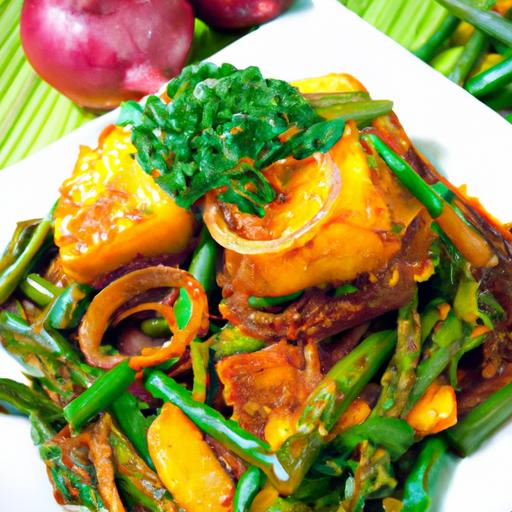
In the vibrant world of West African cuisine, Beninese Alapa stands as a shining symbol of flavor, tradition, and togetherness. More than just a dish, Beninese Alapa tells a story of heritage passed down through generations — a tale woven with beans, spices, and community spirit. Rooted in Benin’s rich culinary history, Beninese Alapa represents the perfect harmony between humble ingredients and extraordinary taste.
Each bite of Beninese Alapa carries the warmth of home and the heart of a culture that values simplicity and connection. Crafted from blended beans, onions, and local spices, Beninese Alapa transforms everyday staples into a dish bursting with authentic West African character. Whether enjoyed fresh from a street vendor or served at a family gathering, Beninese Alapa unites people around its comforting, savory aroma and tender texture.
The beauty of Beninese Alapa lies in its balance — the creamy, flavorful bean base paired with subtle spices that awaken the senses. It is both nourishing and nostalgic, a dish that celebrates the essence of Benin’s food identity. As you savor Beninese Alapa, you experience not just food, but the spirit of a nation that honors its roots through flavor and fellowship.
Traditionally prepared with care and patience, Beninese Alapa reflects the values of time-honored cooking. The beans are soaked, peeled, and ground to perfection before being seasoned and steamed into soft, golden cakes. Every step in creating Beninese Alapa reveals the love and dedication that define Beninese kitchens.
For locals, Beninese Alapa is more than sustenance — it’s a cherished memory. For global food enthusiasts, Beninese Alapa offers a window into the culinary soul of West Africa. Whether served with spicy pepper sauce or enjoyed on its own, Beninese Alapa embodies comfort, culture, and connection.
Bring a piece of Benin to your table and let Beninese Alapa fill your kitchen with joy, aroma, and authenticity. With every delicious bite of Beninese Alapa, you taste history, tradition, and the heart of a people who turn simple beans into a masterpiece of flavor.
Prep and Cook Time
- Preparation: 25 minutes
- Cooking: 15 minutes
- Total Time: 40 minutes
Yield
Serves 6 people
Difficulty Level
Medium
Ingredients
- 2 cups black-eyed peas, soaked overnight and peeled
- 1 medium onion, finely chopped
- 2 cloves garlic, minced
- 1 small hot pepper (e.g., Scotch bonnet), deseeded and finely chopped – optional
- 1 tsp salt (adjust to taste)
- 1/2 tsp ground black pepper
- 1 tsp smoked paprika
- Fresh palm oil or vegetable oil for frying
- 1/4 cup fresh parsley, chopped
- Water as needed for blending
Instructions
- Prepare the beans: after soaking the black-eyed peas overnight, rub them between your hands to loosen the skins.Rinse repeatedly in water until most skins are removed to achieve a smooth texture for the batter.
- Blend the batter: In a blender, combine the peeled beans, chopped onion, garlic, hot pepper, salt, black pepper, and smoked paprika. Add a little water, just enough to create a thick, smooth paste – about the consistency of thick pancake batter. Avoid making it too runny.
- Mix the parsley: Fold the chopped parsley into the batter by hand, distributing it evenly to infuse fresh herbal notes.
- Heat the oil: In a deep skillet or frying pan, heat about 1 inch of palm oil or vegetable oil over medium heat. The oil should be hot but not smoking – around 350°F (175°C).
- Fry the Alapa: Using a spoon or small ladle, carefully drop portions of the batter into the hot oil. Fry for about 3-4 minutes on each side, or until golden brown and crispy on the outside, tender inside. Flip gently to avoid breaking.
- Drain and serve: Using a slotted spoon, remove the Alapa from the oil and place on a paper towel-lined plate to remove excess oil.
Chef’s Notes
- Bean peeling tip: Removing the skins is essential-it creates the signature smoothness and binds the cake without additional flour.
- Oil choice: Traditional palm oil adds an authentic smoky flavor and rich color but vegetable oil is a suitable substitute if unavailable.
- Spice level: Adjust the hot pepper quantity or omit if preferred mild; Alapa’s flavor balances wonderfully with subtle heat.
- Make-ahead: Prepare the batter up to one day in advance; store covered in the refrigerator to deepen flavors.
Serving Suggestions
Alapa is best enjoyed warm, accompanied by local Beninese sauces such as sauce gombo (okra sauce), or sauce tomate (tomato-based sauce) for a tangy kick. Offer alongside steamed yams,rice,or fried plantains for a complete,satisfying meal. Garnish with fresh parsley or a wedge of fresh lime for a burst of color and brightness. For street-style indulgence,try dipping Alapa in spicy chili sauce or paired with crunchy coleslaw.
Pairing Alapa with Local Sauces and side Dishes
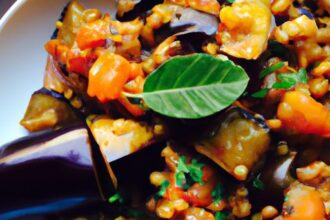
The magic of Beninese Alapa truly shines when paired with vibrant accompaniments-rich peanut sauce or a tangy eggplant stew complements the bean cake’s earthy, creamy texture perfectly. Its crispy exterior contrasts beautifully with soft, fragrant sides, creating layers of flavor that make every meal memorable.
Finding and Enjoying the Best Alapa
Exploring Benin’s bustling markets and street stalls reveals pockets of culinary treasures were Alapa artisans craft this beloved bean cake fresh daily. Look for vendors with golden, evenly fried cakes that release an inviting smoky aroma. Don’t hesitate to ask about palm oil usage for a more authentic taste. Enjoy your Alapa with freshly brewed millet beer or a sweet hibiscus juice to round off a cultural culinary adventure.
| Nutrient | Amount per Serving |
|---|---|
| Calories | 210 kcal |
| Protein | 12 g |
| Carbohydrates | 30 g |
| Fat | 7 g |

For an in-depth exploration of Beninese cuisine, check out our West African Food Traditions article. To learn more about the cultural impact of traditional African dishes, visit Britannica’s African Food Culture.
Q&A
Q&A: Beninese Alapa – Exploring the Flavors of Traditional Bean Cake
Q1: What is Alapa, and where does it originate?
Alapa is a beloved traditional bean cake that hails from Benin, a vibrant West African country known for its rich culinary heritage. This savory treat is deeply woven into the fabric of Beninese culture and is enjoyed across generations as a staple snack or meal accompaniment.
Q2: What makes Alapa unique compared to other bean cakes?
Unlike many bean cakes that tend to be doughy or deep-fried, Beninese Alapa boasts a crispy exterior combined with a flavorful, moist interior. The secret lies in its blend of locally sourced black-eyed peas, aromatic spices, and the traditional cooking methods passed down through families, which impart a distinctive smoky aroma and hearty texture.
Q3: What are the main ingredients in Alapa?
At the heart of Alapa’s recipe are black-eyed peas, which are soaked, peeled, and finely ground to form a smooth batter. This base is then enhanced with a symphony of ingredients-onions, chili peppers, fresh herbs like parsley, and a pinch of salt and pepper. Some versions include a touch of palm oil or smoked fish, adding layers of depth to the flavor profile.
Q4: How is Alapa traditionally prepared and cooked?
Preparation starts with soaking and peeling the beans, which requires patience but results in a silky batter free of bitterness. The batter is mixed with finely chopped onions and spices, then shaped into small patties. Traditionally, these patties are shallow-fried over moderate heat in palms of hot oil until golden brown and crisp. This method ensures a delightful contrast between the crunchy exterior and tender inside.
Q5: When and how is Alapa typically enjoyed in Benin?
Alapa is an anytime favorite-perfect for breakfast, a midday snack, or even as a side dish during festive meals. It is often served with spicy sauces, fresh vegetables, or a warm drink like ginger tea. In local markets and street stalls, its enticing aroma attracts hungry passersby, making it as much a social experience as a culinary one.
Q6: Can Alapa be adapted for different tastes or dietary preferences?
Absolutely! While the traditional recipe is rich and savory, cooks often experiment by adding other ingredients such as grated vegetables, smoked fish, or even ground nuts for texture and flavor variations. For those seeking a vegan version, it’s naturally plant-based, and some might swap frying for baking to reduce oil content without sacrificing taste.Q7: Why is Alapa important in Beninese culture?
Beyond its deliciousness, Alapa represents more than food-it symbolizes community, tradition, and resourcefulness. The process of making Alapa frequently enough brings families and neighbors together, preserving ancestral knowledge and celebrating Benin’s agricultural bounty. It’s a culinary link to the past and a delicious thread woven into the nation’s identity.
Q8: How can someone outside Benin try Alapa?
With the global rise of african cuisines, Alapa recipes are becoming increasingly accessible online. For adventurous home cooks, procuring black-eyed peas and simple spices is the first step to recreating its magic. Some African or international markets also offer ready-made mixes or frozen versions.Exploring Alapa in your kitchen is a delightful way to savor a slice of beninese culture wherever you are.
Exploring Alapa is not just about tasting a dish-it’s about experiencing the flavors, stories, and soul of Benin in every bite. Whether you’re savoring it on a bustling street corner in Cotonou or crafting it in your own kitchen, Alapa invites you to celebrate tradition, community, and the simple joy of great food.
Future Outlook
as the golden hues of Alapa reveal their rich textures and inviting aromas, we are reminded that this traditional Beninese bean cake is more than just a dish-it is a vibrant narrative of culture, history, and community. Each bite carries the whispers of ancestral kitchens and the playful ingenuity of local flavors, bridging generations with every savory morsel. Exploring the flavors of Beninese Alapa invites us not only to savor a unique culinary treasure but also to celebrate the resilience and creativity embedded in West African cuisine. So, next time you encounter this humble yet hearty delicacy, take a moment to appreciate the story it tells and the heritage it preserves-one delicious slice at a time.