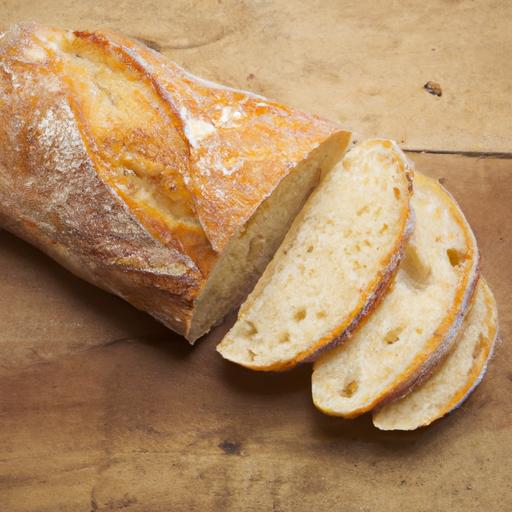

There’s something truly magical about the aroma of freshly baked bread — and Italian Bread Recipes capture that magic perfectly. The scent of Italian Bread Recipes fills a home with warmth, evoking rustic mornings in the Italian countryside and the heritage of generations of bakers. Each loaf in these Italian Bread Recipes tells a story of simplicity, patience, and love for authentic craftsmanship.
Italian Bread Recipes are far more than instructions for baking; they’re edible pieces of history, connecting the present to centuries-old traditions. Whether it’s the crispy, golden crust of ciabatta or the soft, aromatic texture of focaccia, Italian Bread Recipes allow every baker to experience the essence of Italy from their own kitchen.
In exploring Italian Bread Recipes, you uncover the beauty of balanced ingredients — flour, yeast, olive oil, and water — transforming into loaves that are both humble and heavenly. Mastering Italian Bread Recipes means embracing patience, understanding texture, and appreciating the artistry of kneading and proofing.
So roll up your sleeves and let Italian Bread Recipes guide you through a journey of taste and tradition. With each loaf, you bring home a piece of Italy’s soul — rustic, golden, and irresistibly delicious.
Timeless Italian Bread Recipes: Crafting Classic loaves at Home begins with selecting authentic ingredients that form the heart and soul of every traditional loaf. The journey from flour to fragrant crust hinges on understanding the essence of true Italian baking-from flour’s provenance to the natural yeasts that lend that perfect rise and flavor. Embracing these authentic elements ensures your bread’s crumb is airy and tender, while the crust crisps to a golden symphony of texture.
Prep and Cook Time
- Preparation: 25 minutes
- Rising: 2-3 hours (depending on room temperature)
- Baking: 25-30 minutes
- Total Time: Approximately 3 hours
Yield
Makes 2 classic Italian loaves (about 8 slices each)
difficulty Level
Medium: Ideal for home bakers comfortable with fermentation but new to traditional techniques
Ingredients
- 500g (4 cups) Italian Tipo 00 flour (high-protein,finely milled)
- 350ml (1½ cups) lukewarm water (about 75°F/24°C)
- 2 tsp fine sea salt
- 7g (1 packet) active dry yeast
- 1 tbsp extra virgin olive oil (optional,for richness)
- Semolina flour for dusting
Instructions
- Activate the yeast: In a small bowl,dissolve the active dry yeast in 100ml lukewarm water. Allow it to bloom for about 10 minutes until foamy. This step guarantees a lively rise and depth of flavor.
- Mix dry ingredients: In a large bowl, combine the Tipo 00 flour and sea salt evenly.Create a well in the center for liquids.
- Combine and knead: Pour the yeast mixture and the remaining 250ml water into the flour well. Add the olive oil if using. Stir gradually with a wooden spoon until the dough begins to form.
- Knead by hand: Transfer dough to a lightly floured surface and knead vigorously for 10-12 minutes. look for a smooth, elastic texture that springs back gently when pressed.
- First rise: Place dough in a lightly oiled bowl, cover with a damp cloth or cling film, and let rise at room temperature for 1½ to 2 hours until doubled in size.
- Shape the loaves: Punch down gently to deflate,then divide dough into two equal parts. Shape each into an oval or round Italian loaf (pagnotta). Dust with semolina flour to encourage a crisp crust and prevent sticking.
- Second rise: Place shaped loaves on a parchment-lined baking sheet or in a well-floured banneton basket. Cover loosely and let rise for another 45 minutes to 1 hour.
- Prepare the oven: Preheat to 475°F (245°C). Place a shallow pan of water on the oven floor to create steam, essential for blistering crust advancement.
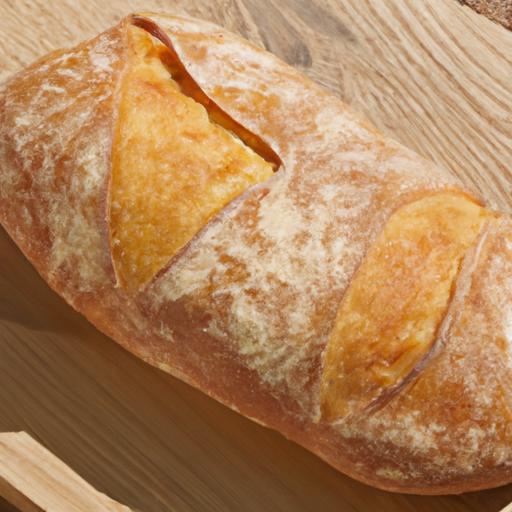
- Score and bake: Using a razor blade or sharp knife, make 2-3 slashes atop each loaf for controlled expansion. Bake on the middle rack for 25-30 minutes, rotating halfway for even color. The crust shoudl be deep golden-brown and crackly.
- Cool before slicing: Transfer loaves to a wire rack and allow to cool wholly for at least 1 hour. This resting period sets the crumb and enhances flavor complexity.
Chef’s Notes: Tips for Success
- For the most authentic Italian flavor, seek out Tipo 00 flour, revered for its silky texture and balanced protein crucial for that signature chew.
- If you prefer a more rustic loaf, experiment by replacing up to 20% with whole wheat or semolina flour.
- Humidity affects fermentation time; a slightly warmer spot shortens the rise.
- Use a cast iron Dutch oven to trap steam if you don’t have a water pan, mimicking a professional steam-injected oven.
- Leftover bread? wrap cooled loaves in a linen cloth at room temperature for 2 days or slice and freeze for up to 3 months.
- For regional flair, discover variations: add rosemary for Tuscan style or olives for Liguria’s touch (discover more about Italian regional breads here).
Serving Suggestions
Enjoy warm slices brushed lightly with extra virgin olive oil and a sprinkle of flaky sea salt. Pair with rich antipasti like aged cheeses, sun-dried tomatoes, or creamy burrata for an authentic Italian experience. For rustic charm, serve alongside hearty soups or as a base for bruschetta topped with ripe tomatoes and fresh basil.

Nutritional Data per Serving
| Nutrient | Amount |
|---|---|
| Calories | 180 kcal |
| Protein | 6 g |
| carbohydrates | 36 g |
| Fat | 1.5 g |
For deeper insights into Italian flour types and baking science, explore the King Arthur Baking guide on flour varieties.
Q&A
Q&A: Timeless Italian Bread Recipes – Crafting classic Loaves at Home
Q1: What makes Italian bread recipes so timeless and beloved around the world?
A1: Italian bread embodies simplicity and tradition, using minimal, high-quality ingredients-flour, water, yeast, salt-to create loaves with rustic crusts and tender, flavorful crumbs. Each recipe carries centuries of cultural heritage, showcasing regional nuances and artisanal baking techniques that celebrate the art of bread-making.
Q2: Which classic Italian breads are essential for home bakers to try?
A2: Start with iconic loaves like Ciabatta, with its airy crumb and crisp crust; Pane Toscano, famously saltless with a hearty texture; and Focaccia, known for its olive oil richness and dimpled surface. Each offers a distinct taste of Italy’s diverse baking traditions and teaches different skills from hydration management to shaping.
Q3: How can beginners successfully tackle Italian bread at home?
A3: Patience and technique are the secret ingredients. Begin with a reliable recipe, measure ingredients precisely, and allow ample time for fermentation-the yeast’s magic moment. Use warm water to activate yeast, knead just enough to develop gluten, and don’t rush the proofing stages. A preheated baking stone or heavy tray can mimic a traditional brick oven’s heat for a perfect crust.
Q4: Are there any tips to replicate the authentic rustic crust and chewy texture of Italian bread?
A4: Absolutely. High hydration doughs (more water) create open crumb structures and chewy interiors. Steaming your oven during the first baking minutes helps develop that signature crispy crust-try placing a pan of water below the baking rack. Also, scoring the dough before baking allows controlled expansion, giving your bread an artisanal look.
Q5: Can Italian bread recipes be adapted for dietary preferences or restrictions?
A5: Yes, with mindful adjustments. Whole wheat or spelt flours add nutrition and flavor, though they may alter texture.For gluten-free options, Italian-style breads are more challenging but possible using specialized flour blends and binding agents. Olive oil can replace butter or fats to keep loaves moist and authentically Mediterranean.Q6: How does making Italian bread at home enrich the cooking experience?
A6: Crafting these classic loaves connects you to Italian culture and centuries-old traditions,transforming simple ingredients into edible art. It invites mindfulness and creativity, fills your kitchen with irresistible aromas, and culminates in sharing warm, crusty bread-a universal symbol of hospitality and comfort.
Q7: Where can I find authentic Italian bread recipes and guidance?
A7: Explore cookbooks dedicated to Italian cuisine, artisan baking blogs, or videos by seasoned bakers who specialize in Mediterranean breads. Many recipes also come with cultural anecdotes and tips that deepen your gratitude and elevate your home baking journey.
Embark on the timeless craft of Italian bread-making, and bring a slice of Italy’s heart into your home-one loaf at a time.
Key Takeaways
Whether you’re a seasoned baker or a curious novice, mastering these timeless Italian bread recipes opens the door to a world where flour, water, and yeast transform into golden loaves that carry centuries of tradition. Each crusty boule and fragrant ciabatta tells a story of patience, passion, and the simple joy of breaking bread at home.So roll up your sleeves, embrace the rhythms of kneading and rising, and let your kitchen be filled with the warm, inviting aromas of Italy’s most cherished breads. With these classic recipes in hand, you’re not just baking-you’re crafting edible history, one loaf at a time. Buon appetito!