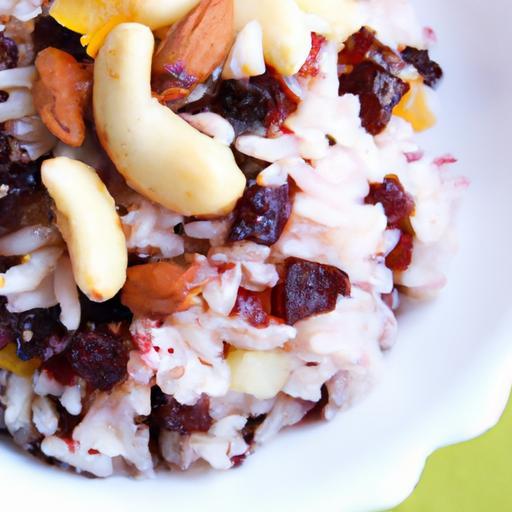
In the heart of Korean tradition lies a dessert as rich in history as it is in flavor-Yaksik, the sweet rice that dances between soft chewiness and nutty crunch. Often served during festive celebrations, this delicacy weaves together glutinous rice, fragrant chestnuts, pine nuts, and a luscious glaze of honey and brown sugar, creating a symphony of textures and tastes that delight the senses. Whether you’re a culinary enthusiast seeking to explore authentic Korean sweets or simply drawn to the comforting embrace of sticky rice, mastering the Yaksik recipe offers both a delicious challenge and a gateway to cultural discovery. Join us as we unravel the secrets behind this beloved treat and guide you step-by-step to crafting your very own Yaksik Delight.
Yaksik Delight, a cherished Korean sweet rice treat, embodies centuries of culinary tradition wrapped in the warm aroma of roasted nuts and luscious honeyed syrup. This heritage recipe transcends mere dessert status – it’s a celebration of seasonal harvests, family gatherings, and mindful readiness that invites you to savor every tender, subtly spiced grain.
Prep and Cook Time
- Preparation Time: 30 minutes
- Soaking Time: 2 hours
- Cooking Time: 50 minutes
- total Time: Approximately 3 hours 20 minutes
Yield
Serves 6-8 generous portions
Difficulty Level
Medium – Requires attentive soaking and precise simmering but very rewarding
Ingredients
- 2 cups glutinous rice (sweet rice), rinsed and soaked
- 1/2 cup chestnuts, peeled and chopped
- 1/4 cup pine nuts
- 1/4 cup walnuts, roughly chopped
- 3/4 cup Korean dark soy sauce (Ganjang)
- 1/2 cup honey
- 1/3 cup brown sugar, packed
- 1 tablespoon sesame oil
- 1 teaspoon ground cinnamon
- 1 teaspoon minced ginger
- 2 tablespoons jujube (dried red dates), sliced (optional)
- Pinch of salt
Understanding the rich tradition Behind Yaksik Delight
Rooted deeply in Korean culture, Yaksik Delight is more than just glutinous rice sweetened with nuts-it’s known as the “medicinal rice” dessert. Traditionally crafted during holidays and special occasions, this dish combines the natural sweetness of honey and brown sugar with a careful selection of nuts thought to promote vitality and well-being. The subtle cinnamon and ginger nuance harmonizes beautifully with the richness of roasted chestnuts and pine nuts, creating a multi-layered flavor profile cherished across generations. Preparing Yaksik Delight not only connects you with Korean heritage but allows you to experience the soulful balance of sweet and savory elements perfected over centuries.
Selecting the Perfect Nuts and Sweeteners for Authentic flavor
The key to mastering Yaksik Delight lies in choosing nuts that provide both texture and an aromatic depth. Chestnuts offer a creamy bite while pine nuts add a distinctive buttery softness, and walnuts deliver a delightful crunch. When combined with natural sweeteners like Korean dark soy sauce, fragrant honey, and brown sugar, these ingredients layer complexity without overpowering the core of glutinous rice. For an authentic finish, avoid artificial syrups; instead, opt for raw honey or traditional Korean jujube honey when available. This preserves the dish’s nuanced sweetness and invites an inviting aroma that fills your kitchen as it simmers.
Step by Step Guide to Preparing Glutinous Rice for Optimal Texture
- Rinse the rice thoroughly under cold water until the water runs clear to remove excess starch.
- Soak the glutinous rice in cold water for at least 2 hours or overnight to achieve the tender, sticky texture essential for Yaksik Delight.
- Drain the soaked rice wholly using a fine mesh sieve to prevent sogginess in the final dish.
- Lightly toast the nuts in a dry skillet over medium-low heat until fragrant (about 3-5 minutes),stirring often to prevent burning.
- Mix the sweeteners, soy sauce, cinnamon, and ginger in a bowl to create a harmonious syrup base that will evenly coat the rice and nuts during cooking.
- Layer the rice, nuts, and syrup mixture evenly in a heavy-bottomed pot or traditional Korean earthenware, ensuring each grain absorbs the flavors.
- Cook gently over low heat, covered, allowing the rice to steam in the syrup while the nuts soften and infuse their aromas.
Expert Tips to Achieve the Ideal Balance of Sweetness and Aroma
- Monitor sweetness levels: Start with less honey or sugar; it’s easier to add later than to fix oversweetness.
- Use a tight-fitting lid to trap steam and essential aromas, creating a soft, moist texture without drying.
- Stir gently once midway through cooking to redistribute nuts and prevent scorching, but avoid over-mixing to keep grain integrity.
- Allow Yaksik Delight to rest 10 minutes after cooking; this lets the flavors meld and the texture firm up slightly, enhancing bite.
- For an extra aromatic boost,add a few dried jujube slices on top during steaming-they release a subtle fruitiness that complements the spices beautifully.
Instructions
- Prepare the rice: Rinse and soak glutinous rice for 2 hours. Drain well.
- Toast the nuts: In a skillet, dry-toast chestnuts, pine nuts, and walnuts until fragrant. Set aside.
- Make the syrup: Combine soy sauce, honey, brown sugar, sesame oil, cinnamon, ginger, and salt in a bowl, stirring until sugar dissolves.
- Assemble: In a heavy pot, layer half the drained rice, half the nuts, then pour half the syrup. Repeat layers evenly.
- Cook: Cover the pot with a tight lid, simmer over low heat for 45-50 minutes, stirring gently once at the 25-minute mark.
- Rest: Remove from heat and let stand covered for 10 minutes.
- Serve: Fluff gently with a wooden spatula, garnish with additional pine nuts or jujube slices if desired.
Chef’s Notes
- Nut variations: Macadamia or almonds can be swapped in for a different crunch and flavor.
- Sweetener substitutes: Maple syrup provides a unique, earthy sweetness but lighten soy sauce quantity to prevent saltiness.
- Make ahead: Yaksik Delight can be refrigerated for up to 3 days; gently reheat covered to retain moisture.
- Texture alert: Overcooking may cause the rice to become mushy; keep heat low and avoid lifting the lid frequently.
- For vegan adaptation: Use maple syrup rather of honey and double-check soy sauce is vegan-friendly.
Serving Suggestions
This sweet rice masterpiece is best enjoyed warm or at room temperature.Serve as a festive dessert during holidays or as an indulgent snack with a cup of aromatic green tea or lightly roasted barley tea. For an elegant presentation, slice into neat squares and adorn plates with toasted sesame seeds and fresh edible flowers. Yaksik Delight also pairs wonderfully with a dollop of lightly whipped coconut cream or a drizzle of dark chocolate for a contemporary twist.
| Nutrient | Per Serving |
|---|---|
| Calories | 320 kcal |
| Protein | 6 g |
| Carbohydrates | 62 g |
| Fat | 7 g |

For further inspiration and related recipes, check out our collection of Korean traditional desserts. To explore the health benefits of honey and nuts, visit the British Nutrition Foundation.
Q&A
Q&A: Yaksik Delight – Mastering Sweet Rice with Nuts Recipe
Q1: What is Yaksik, and why is it called “delight”?
A1: Yaksik is a traditional Korean dessert made from glutinous rice, nuts, honey, and dried fruits. The name “Yaksik” literally translates to “medicinal food,” reflecting its origins as a health-boosting treat thanks to ingredients like jujubes and pine nuts. It’s called a “delight” because its rich, chewy texture and naturally sweet flavors create an irresistible harmony that delights the palate-think of it as a sweet symphony of nutty, fruity comfort in every bite.
Q2: What special qualities does glutinous rice bring to Yaksik?
A2: Glutinous rice, also known as sweet rice, is the heart and soul of Yaksik. Its sticky, chewy consistency gives the dessert its signature texture-dense yet tender, perfect for holding the sweetness and nuts together. This rice transforms the dish from a basic grain to a luscious, almost caramelized pillow of flavor that melts in your mouth.
Q3: wich nuts and dried fruits traditionally feature in Yaksik?
A3: Pine nuts and chestnuts are classic nuts in Yaksik,prized for their delicate texture and mild flavor. Jujubes (Korean dates) and raisins commonly represent the dried fruit elements, providing bursts of natural sweetness and a slight chewiness that contrasts beautifully with the nuts and rice.Some modern takes may include walnuts or almonds for a different crunch dimension.
Q4: How does one achieve the perfect balance between sweetness and texture?
A4: Mastering this balance is about harmony and timing. Honey and brown sugar infuse the rice with gentle sweetness without overpowering it, while the nuts and fruit add textural variety. Cooking glutinous rice evenly and allowing it to absorb the sweet syrup gradually helps the flavors meld. Steaming or baking gently locks in moisture while giving the dish a subtle caramelized finish.
Q5: Can Yaksik be adapted for modern or dietary preferences?
A5: Absolutely! For a vegan twist, swap honey with maple syrup or agave nectar. gluten-sensitive folks can rejoice since glutinous rice is naturally gluten-free. You can experiment with various nuts or add coconut flakes for a tropical flair. Just remember, the magic lies in balancing sticky rice’s chew with the natural sweetness and crunch, so keep those elements in mind as you personalize.
Q6: What cultural importance does Yaksik hold in Korea?
A6: Yaksik is more than just a dessert-it’s a celebratory dish, often enjoyed during traditional holidays such as Korean Lunar New Year and weddings. It symbolizes health, prosperity, and sweetness in life. Sharing Yaksik is a gesture of warm hospitality and goodwill, making it a culinary embodiment of community and well-being.
Q7: what are some pro tips for first-timers making Yaksik?
A7:
- Soak the glutinous rice for several hours or overnight for optimal texture.
- Toast the nuts lightly to enhance their aroma without burning them.
- Use a non-stick or well-oiled pan to prevent sticking during steaming or baking.
- Don’t rush the cooking-slow and steady ensures each grain soaks up the syrup perfectly.
- Let the Yaksik cool slightly before slicing; it sets better and slices cleanly.
Q8: How should Yaksik be served and stored?
A8: Yaksik is best enjoyed slightly warm or at room temperature, allowing the rich sweetness and nutty aroma to fully develop. It can be served in neat squares or bite-sized pieces, perfect for sharing. Store leftovers in an airtight container in the refrigerator for up to a week. Reheat gently to revive its soft, chewy texture.With this knowledge in hand, you’re ready to embark on your Yaksik journey-bringing a slice of Korean tradition and sweet nutty bliss right to your kitchen!
Insights and Conclusions
As the final grains of sticky rice melt into a tapestry of toasted nuts and honeyed sweetness, mastering Yaksik transforms from a simple recipe into a heartfelt tradition. This ancient Korean delight not only satisfies the palate but also kindles a connection to cultural roots and festive celebrations. Whether shared among family or gifted to friends, Yaksik’s rich harmony of flavors invites you to savor more than just a dessert-it’s an experience steeped in history, warmth, and the joy of sweet togetherness. Now, with your newfound expertise, every spoonful becomes a celebration of heritage and a testament to the timeless art of sweet rice perfection.