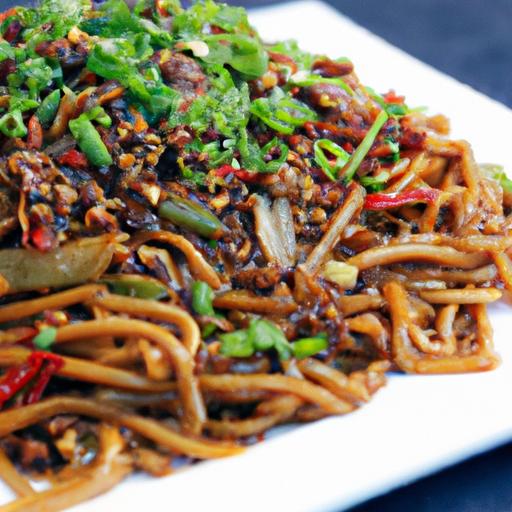
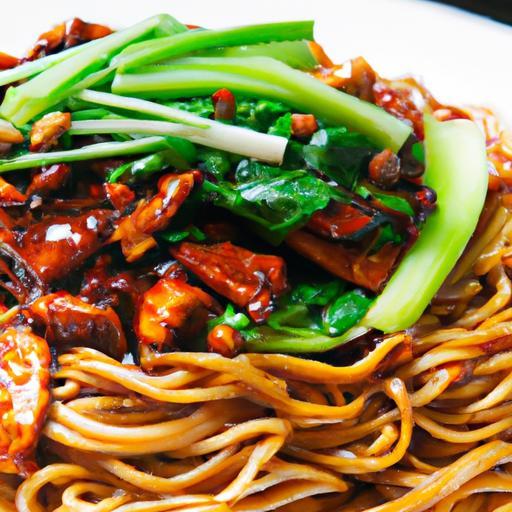
In the bustling streets of Beijing, where rich history meets vibrant modern life, one humble dish has quietly woven itself into the fabric of the cityS culinary soul: Zhajiangmian. More than just a bowl of noodles, Zhajiangmian is a symphony of flavors-thick, hand-pulled noodles coated in a savory, aromatic soybean paste sauce, topped wiht fresh vegetables and often a sprinkle of minced meat. This beloved classic, often overlooked beyond China’s borders, holds stories of tradition, regional pride, and the simple joy of comfort food shared among family and friends. Join us as we unveil the layers behind Beijing’s noodle masterpiece, exploring its origins, cultural meaning, and the art that makes every bite a tantalizing journey through the heart of China’s capital.
Zhajiangmian is more than just a noodle dish-it’s a celebrated culinary symbol resonating deeply within Beijing’s vibrant food culture. This beloved masterpiece traces its roots back to northern China, where humble ingredients blended into an unforgettable harmony of flavors and textures. As you embark on this cooking journey, the rich, savory sauce and perfectly chewy noodles will transport you to bustling Beijing streets, where every slurp tells a story.
Prep and Cook Time
- Readiness: 25 minutes
- Cooking: 30 minutes
- Total Time: 55 minutes
Yield
Serves 4 hearty portions
Difficulty Level
medium – approachable with attention to ingredient balance and timing
Ingredients
- 300g fresh wheat noodles (or dry Asian-style wheat noodles)
- 200g ground pork (lean)
- 3 tbsp fermented yellow soybean paste (Huangdoujiang)
- 2 tbsp sweet bean sauce (Tianmianjiang)
- 1 tbsp soy sauce
- 1 tbsp Shaoxing wine
- 2 cloves garlic, finely minced
- 1-inch piece ginger, finely minced
- 1 small white onion, finely diced
- 1 tbsp vegetable oil (neutral, like canola)
- 1 cup water or homemade chicken stock
- 1/2 cucumber, julienned
- 2 scallions, thinly sliced
- Optional garnish: blanched soybean sprouts, julienned carrot, toasted sesame seeds
Instructions
- Prepare the noodles: Cook noodles according to package instructions until al dente. drain and rinse under cold water to stop cooking, then set aside.
- Make the sauce base: Heat the vegetable oil in a wok or large skillet over medium heat. Add minced garlic, ginger, and diced onion. Sauté until fragrant and translucent, about 4 minutes.
- Brown the pork: Add ground pork to the skillet. Break up the meat with a wooden spoon and cook until no longer pink, about 6 minutes.
- Incorporate the fermented pastes: stir in the fermented yellow soybean paste and sweet bean sauce. cook for 2 minutes, allowing the paste to caramelize slightly.
- Add liquid and simmer: Pour in Shaoxing wine, soy sauce, and water or chicken stock. Stir to combine, reduce heat to low, and simmer gently for 15 minutes. This slow cooking blooms the deep umami flavors.
- Adjust seasoning: Taste and add a pinch of sugar or more soy sauce if desired. The sauce should balance salty, sweet, and savory notes.
- Assemble the bowl: Divide noodles into bowls. Ladle generous amounts of the warm sauce over noodles.
- add fresh toppings: Garnish with julienned cucumber, scallions, and any optional fresh vegetables or toasted sesame seeds.
- Mix and enjoy: Encourage mixing the noodles thoroughly with the sauce and crisp vegetables for a satisfying texture contrast in every bite.
Tips for Making Authentic Zhajiangmian at Home
- Choosing the pastes: Authentic Zhajiangmian depends heavily on the quality of fermented soybean paste and sweet bean sauce. If unavailable,substitute with a combination of miso and hoisin-though traditional Chinese pastes yield the best results.
- Meat options: Ground pork is classic, but feel free to experiment with ground beef or turkey for a leaner version.
- Noodle texture: Fresh, slightly chewy wheat noodles hold the sauce best. If using dry noodles,cook carefully to avoid over-softening.
- Make-ahead: Prepare the sauce up to 2 days in advance. Refrigerate and reheat gently before serving.
- Vegetable variations: Add blanched soybean sprouts, julienned carrots, or napa cabbage for vibrant color and crunch.
- Spice it up: Add a drizzle of chili oil or fresh sliced chilies for a spirited kick.
Serving Suggestions
Present Zhajiangmian in deep bowls highlighting the glossy, reddish-brown sauce coating the noodles. A sprinkle of crisp cucumber juliennes and fresh scallions brightens the plate visually and texturally. Serve with side dishes such as pickled radish or a simple stir-fry. For a true Beijing experience, accompany with hot Chinese green tea or a light broth-based soup.

| Nutrient | Per Serving |
|---|---|
| Calories | 480 kcal |
| Protein | 28g |
| Carbohydrates | 55g |
| Fat | 12g |
For more authentic Chinese noodle recipes, explore our Chinese Noodle Recipes collection. to deepen yoru understanding of fermented soy products used in Zhajiangmian,visit this detailed guide on South China Morning Post.
Q&A
Q&A: Zhajiangmian Unveiled – Beijing’s Beloved Noodle Masterpiece
Q1: What exactly is Zhajiangmian?
Zhajiangmian, often translated as “fried sauce noodles,” is a quintessential Beijing noodle dish featuring thick wheat noodles generously coated with a savory, umami-packed soybean paste sauce. It’s a harmonious blend of chewy noodles and a rich, meaty topping that has been warming hearts and stomachs for centuries.
Q2: Where did Zhajiangmian originate?
While Zhajiangmian is now synonymous with Beijing cuisine, its roots trace back to northern China, with influences from Shandong province. Migrants brought the comforting recipe to Beijing, where it evolved into the iconic dish beloved by locals and visitors alike.
Q3: What makes the sauce so special?
The star of Zhajiangmian is the sauce, typically made from fermented soybean paste, minced pork (or occasionally beef), garlic, and sometimes a hint of sweet soy or hoisin sauce. It’s simmered until thick and deeply flavorful, creating a luscious blanket for the noodles. The fermentation process imparts a complex, tangy depth that’s utterly addictive.
Q4: how is Zhajiangmian traditionally served?
Traditionally, Zhajiangmian is served with a generous mound of warm wheat noodles, topped with the signature fried sauce. Fresh vegetables such as julienned cucumber, radish, scallions, and sometimes soybean sprouts add a crisp counterpoint.Diners mix the noodles and toppings thoroughly before diving in.
Q5: Are there regional variations of Zhajiangmian?
absolutely! Within Beijing, variations focus on the specific bean paste or additional aromatics used in the sauce. Elsewhere in China, especially in Sichuan, you might find spicier versions. Some recipes swap pork for shredded chicken or even incorporate vegetarian soy “meat.” Each twist reflects local tastes and culinary creativity.
Q6: Why is Zhajiangmian so beloved in Beijing?
Zhajiangmian embodies the spirit of Beijing – humble ingredients transformed into something comforting, accessible, and profoundly satisfying. It’s a staple of street vendors, family dinners, and even upscale restaurants. Its simplicity, flavor, and history resonate deeply with the city’s cultural fabric.
Q7: Can I make Zhajiangmian at home?
Definately! While authentic fermented soybean paste can be tricky to find outside Asia, many asian grocery stores carry it.With some basic ingredients and a bit of patience to perfect the sauce’s balance, you can recreate a delicious version in your own kitchen. The fun lies in customizing veggies and experimenting with the sauce.Q8: What’s the best way to enjoy Zhajiangmian?
zhajiangmian is most enjoyable fresh, when the noodles are hot and the sauce still warm. Pair it with simple sides like pickled vegetables or a light soup to cut through the richness. Slurping is encouraged - it’s part of the experience! Ultimately, it’s a dish best savored slowly, appreciating every bite.
Q9: Any fun facts about Zhajiangmian?
Legend has it that the name “Zhajiangmian” means “fried sauce noodles,” but ironically,the sauce isn’t heavily fried – it’s more gently simmered to preserve its depth. Also, the dish is so beloved that in Beijing, you can find “zhajiangmian” joints on practically every street corner, each boasting their own secret twist.
Zhajiangmian is more than a dish – it’s a delicious story told through noodles and sauce, a taste of Beijing’s culinary soul that invites everyone to experience a little piece of the city’s heritage.
In Conclusion
Zhajiangmian is more than just a dish; it’s a vibrant thread woven into the rich tapestry of Beijing’s culinary heritage. From its humble origins to its rise as a beloved staple on bustling street corners and family tables alike, this noodle masterpiece continues to captivate hearts and palates with every savory bite. As you savor the perfect harmony of thick wheat noodles smothered in that signature fermented soybean paste, remember that you’re tasting a story-one of tradition, culture, and the timeless art of comfort food. Whether you’re a seasoned foodie or a curious traveler, Zhajiangmian invites you to experience Beijing’s flavors in their most authentic, unforgettable form.