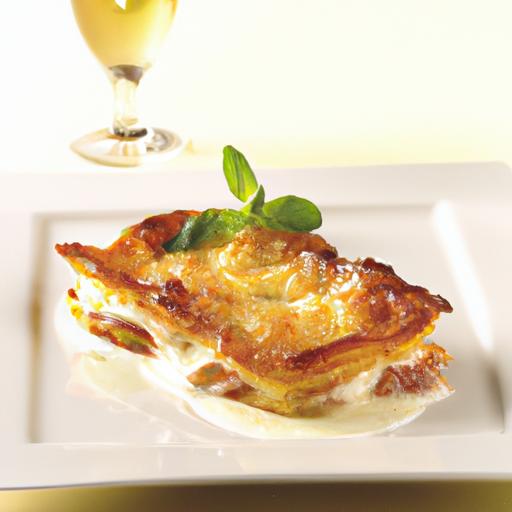
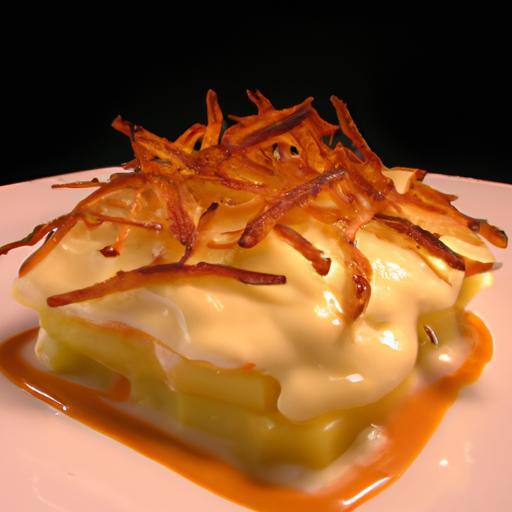
Beneath a glistening, golden crust lies a timeless classic of French cuisine: the Gratin Dauphinois. This humble yet exquisite dish, with its tender layers of thinly sliced potatoes bathed in luscious cream and garlic, embodies a harmonious blend of art and science. Each delicate slice, carefully arranged and slow-cooked to perfection, transforms simple ingredients into a symphony of textures and flavors that delight the senses. In exploring the origins, techniques, and secrets behind the perfect Gratin Dauphinois, we uncover not only a culinary masterpiece but also a story of tradition, precision, and passion-where every golden layer tells a tale of craftsmanship and care.
Golden Layers: The Art and Science of Gratin Dauphinois
Golden Layers: The Art and Science of Gratin Dauphinois begins with a celebration of france’s rich culinary heritage, where humble potatoes transform into a divine symphony of cream, cheese, and golden crust. This timeless classic from the Dauphiné region captures rustic elegance and embodies the essence of comfort food elevated to art.
Origins and Evolution of Gratin Dauphinois in French Cuisine
Rooted deeply in the rustic kitchens of southeastern France, this dish was originally a simple, humble planning made by peasants using the region’s staple: the potato. Over centuries, the recipe evolved from straightforward boiled potatoes bathed in cream to a richer, more indulgent bake that incorporates aromatic seasonings and cheese. The name “Gratin” refers to the coveted crispy, caramelized crust that forms atop the dish, a textural contrast that defines its allure.
Legends whisper that the first written recipe dates back to the late 18th century, with few ingredients and a slow bake that allowed flavors to meld into luscious layers. Today, it’s a beloved centerpiece in both rustic family meals and haute cuisine menus, demonstrating how culinary tradition and innovation blend seamlessly.
Prep and Cook Time
- Preparation Time: 25 minutes
- Cooking Time: 1 hour 15 minutes
- Total Time: 1 hour 40 minutes
Yield
Serves 6 generous portions
Difficulty Level
Medium – Requires patience and precise layering techniques to perfect
Mastering the Perfect Potato Selection and Preparation Techniques
Choosing the right potato is paramount for the definitive texture and creaminess in Golden Layers: The Art and Science of Gratin Dauphinois. Opt for waxy potatoes like Charlotte or Yukon Gold. their lower starch content preserves shape, yet absorbs flavors beautifully while baking, yielding tender yet structured slices.
Slice your potatoes uniformly thin-ideally between 2-3 mm-to assure even cooking. A mandoline slicer can be your best ally here, delivering paper-thin consistency essential for those luscious layers. rinse sliced potatoes briefly in cold water to remove excess starch,then pat dry to prevent sogginess and promote absorption of the infused cream and seasoning.
Balancing Cream,Cheese,and Seasonings for Ultimate Flavor Harmony
The soul of a superb gratin lies in its creamy custard base. A mix of heavy cream and whole milk offers richness without heaviness. Season generously with salt, freshly cracked black pepper, and a whisper of freshly grated nutmeg to awaken the earthy flavors of the spuds.
Traditionally, Golden Layers: The Art and Science of Gratin Dauphinois embraces gruyère cheese, famed for its nutty, mellow character and excellent melting properties. Integrate it judiciously-too much risks overpowering the delicate balance,while too little diminishes the signature creaminess. Grate the cheese finely to ensure it melts seamlessly into the custard, creating that decadent, velvety mouthfeel.
Tips and Tricks for Achieving the Ideal Golden Crust Every Time
The crowning glory of your gratin is the golden crust-crispy, caramelized, and irresistible.To achieve this, finish your baking under a broiler for the final 3-5 minutes, watching closely to avoid burning.A light brush of unsalted butter on the top layer before baking encourages exquisite browning and flavor.
For an even deeper crust, sprinkle a thin layer of finely grated Parmesan or a touch of breadcrumbs blended with butter. These additional layers create contrast and added crunch,enhancing the sensory experience. Also, use a shallow, wide baking dish for maximum surface area exposure to radiant heat-key to uniform crust formation.
Ingredients
- 2.5 lbs (1.1 kg) waxy potatoes (Charlotte or Yukon Gold), peeled and sliced 2-3 mm thick
- 2 cups (480 ml) heavy cream
- 1 cup (240 ml) whole milk
- 1 ½ cups (150 g) gruyère cheese, finely grated
- 3 cloves garlic, minced
- 2 tbsp unsalted butter, plus extra for greasing
- 1 tsp freshly grated nutmeg
- Salt and freshly cracked black pepper, to taste
- Optional: 2 tbsp finely grated Parmesan or breadcrumbs mixed with 1 tbsp melted butter (for crust enhancement)
Instructions
- preheat the oven to 325°F (165°C). Butter a shallow, wide gratin dish thoroughly to prevent sticking and encourage crust growth.
- In a saucepan, combine heavy cream, whole milk, minced garlic, nutmeg, salt, and pepper. Warm gently over low heat until steaming but not boiling to allow the flavors to infuse.
- Layer the potatoes evenly in the dish, overlapping slightly for structural integrity. Pour a portion of the warm cream mixture over the first layer, then sprinkle with a light dusting of gruyère cheese.Repeat layering potatoes, cream, and cheese until all ingredients are used, ending with a generous layer of cheese on top.
- Dot the surface with butter pieces, which will encourage browning and richness as the gratin bakes.
- Cover the gratin tightly with aluminum foil and bake for 55-65 minutes,or until potatoes are tender when pierced with a knife.
- Remove the foil and bake uncovered for another 10-15 minutes, allowing the top to begin browning.
- For the perfect golden crust, switch to broil mode for the last 3-5 minutes. Watch closely-once the crust reaches a deep golden brown, remove from the oven immediately.
- Rest the gratin for at least 10 minutes before serving to allow the custard to set and flavors to meld beautifully.
Chef’s Notes
- Make-ahead: Prepare the gratin up to assembly, cover tightly, and refrigerate overnight. Bring to room temperature before baking,adding 5-10 minutes to cooking time.
- Variations: For a lighter version, substitute half the cream with whole milk .
- Cheese swaps: comté or emmental offer similar melting qualities if Gruyère is unavailable.
- Beware of sogginess: Dry potato slices thoroughly before layering and avoid excessive cream pooling on the sides.
- For enhanced aroma: Rub garlic on the gratin dish before buttering for a subtle, fragrant base note.
Serving Suggestions
Golden Layers: The Art and Science of Gratin Dauphinois shines as an elegant side to roast meats-especially beef or lamb. Garnish with freshly chopped thyme or chives for a pop of green hue and herbal brightness. Serve alongside a crisp green salad dressed lightly with a mustard vinaigrette to cut through the richness.
For a decadent vegetarian entrée, complement with roasted mushrooms .

| Nutrient | Per Serving |
|---|---|
| Calories | 410 kcal |
| Protein | 12 g |
| Carbohydrates | 30 g |
| Fat | 27 g |
Explore more classic French recipes like our Coq au Vin guide to continue your culinary journey.
For detailed history and variations, read further at Encyclopaedia Britannica.
Q&A
Q&A: Golden Layers – The Art and Science of Gratin dauphinois
Q1: What exactly is gratin Dauphinois?
A1: Gratin Dauphinois is a classic French dish hailing from the Dauphiné region, characterized by thinly sliced potatoes baked in cream and gently infused with garlic. Unlike other gratins, it traditionally excludes cheese, focusing instead on velvety textures and subtle richness. The golden, bubbling crust on top is its signature-a luscious cheese-less crown formed by slow, loving baking.
Q2: Why is it called “Gratin Dauphinois”?
A2: The name “Gratin” comes from the French word “gratter,” meaning “to scrape,” referring to the crispy top layer that is scraped off eagerly at the table. “Dauphinois” denotes the Dauphiné region in southeastern France where the recipe originates. Together, the name evokes a dish with rustic roots and refined elegance packed into every golden, creamy bite.
Q3: What makes the layers in Gratin Dauphinois so special?
A3: The magic lies in the harmony between the thin slices of potato and the rich, garlicky cream. The potatoes absorb the cream as they bake, swelling into tender layers that meld into a luscious mosaic. The slow baking process encourages the natural starches to thicken the sauce, creating an incredibly silky mouthfeel. the top crisps just enough to add a textural contrast, creating a symphony of softness and crunch.
Q4: Is cheese ever used in Gratin Dauphinois?
A4: Traditionally,no. Purists insist that a true Gratin Dauphinois is cheese-free, relying on cream, garlic, and patience for its charm. However, many modern interpretations add Gruyère or Parmesan atop to enhance the golden crust, veering into gratin territory but losing a bit of the original’s delicate balance. If authenticity is the goal, keep the cheese aside and let the cream do the talking.Q5: What kind of potatoes work best?
A5: Starchy potatoes like Russets or sometimes Yukon Golds are ideal. Their higher starch content helps thicken the luscious cream sauce as the dish bakes, while maintaining a tender texture without falling apart. Waxy potatoes tend to stay firm, which can disrupt the creamy, melting layers that define this dish.
Q6: Can Gratin Dauphinois be made ahead of time?
A6: Absolutely! In fact, allowing the assembled but unbaked gratin to rest in the fridge for a few hours-or even overnight-helps the flavors meld beautifully.When baked fresh before serving, the cream thickens further, and the garlic infuses deeper into the potatoes.Just be sure to bring it to room temperature before baking to ensure even cooking.
Q7: What’s the secret to that perfect golden top?
A7: Low and slow is the mantra here. Baking the gratin at a moderate temperature lets the cream simmer gently, giving the potatoes time to soften and absorb flavor. Towards the end, a brief burst of higher heat or a speedy broil sparks browning on the surface, coaxing out that irresistible golden crust that’s both fragrant and texturally inviting.
Q8: How do you serve Gratin Dauphinois?
A8: This dish is the ultimate comfort food side, pairing beautifully with roasted meats, game, or simply a crisp green salad to balance its richness. Serve portions that reveal the golden layers inside, inviting diners to dive into its creamy depths. Whether as a centerpiece or a supporting player, Gratin Dauphinois turns any meal into a celebration of handcrafted, soulful cooking.Q9: any modern twists on this classic?
A9: Certainly! Some chefs experiment by layering in subtle herbs like thyme or rosemary, swapping cream for lighter dairy options, or introducing other root vegetables to diversify the flavors and textures. Yet, even with innovation, the essence remains the same: patient baking, tender potatoes, and the pursuit of that sublime golden finish.
Q10: Why does Gratin Dauphinois continue to captivate palates worldwide?
A10: Because it’s a perfect blend of simplicity and sophistication-a humble potato transformed through technique and care into something profoundly comforting and elegant. Each golden layer tells a story of tradition, patience, and the alchemy of slow cooking, making Gratin Dauphinois both a culinary treasure and a beloved ritual at tables everywhere.
Wrapping Up
As the final golden crust of a perfectly baked Gratin Dauphinois emerges from the oven, we are reminded that this timeless dish is more than just a comforting side-it is a celebration of culinary tradition and technique.Each tender, velvety layer of thinly sliced potatoes, bathed in cream and infused with garlic, tells a story of patience and precision. The art lies not only in the ingredients but in the harmony of textures and flavors that transform humble staples into a luxurious taste experience. Whether enjoyed in a rustic countryside kitchen or a modern dining table, Gratin Dauphinois continues to captivate palates, proving that sometimes, the simplest combinations yield the richest rewards. As you savor each golden bite, you carry forward a tasty legacy of French gastronomy-one layer at a time.