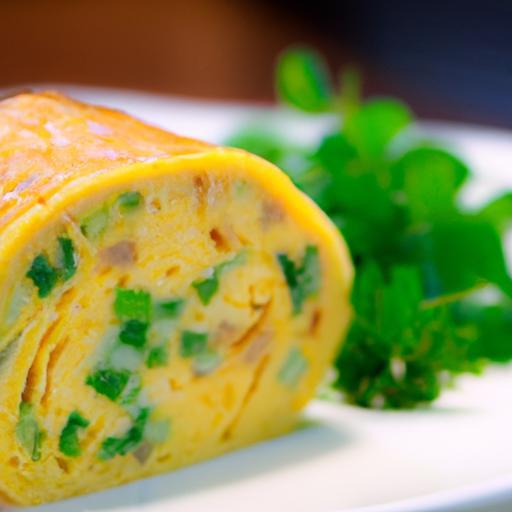
In the vibrant tapestry of Korean cuisine, few dishes capture the harmonious blend of simplicity and elegance quite like Gyeran Mari. This delightful rolled omelette, fluffy and golden, is more than just a breakfast staple-it’s a canvas of flavors and textures that tells a story of tradition and innovation. Whether nestled alongside steaming bowls of rice or enjoyed as a satisfying snack, Gyeran Mari enchants with its tender layers and subtle savory notes. Join us as we unravel the secrets behind Korea’s deliciously fluffy rolled omelette delight, exploring its history, techniques, and the timeless appeal that has made it a beloved dish both at home and around the world.
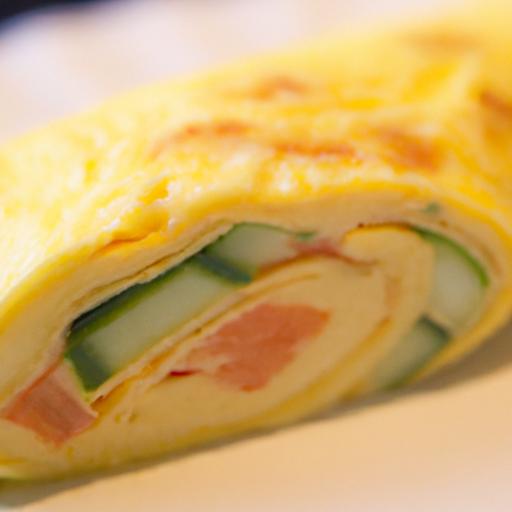
Gyeran Mari, Korea’s deliciously fluffy rolled omelette delight, is an irresistible dish that combines simple ingredients with expert technique to create layers of tender, airy egg packed with flavorful surprises. Originating as a popular street food and home-cooked favorite in Korea, this dish is perfect for breakfast, lunchboxes, or elegant appetizers. Its light texture and adaptable flavour profile make it a culinary canvas for both customary and creative interpretations.
Prep and Cook Time
- Preparation: 10 minutes
- cooking: 10 minutes
- Total: 20 minutes
Yield
Serves 3-4 people as a side dish or snack.
Difficulty Level
Medium – Requires some practice to master the rolling technique but very approachable.
Ingredients
- 5 large eggs,</b gently beaten
- 2 tablespoons milk (for extra fluffiness)
- 1 teaspoon soy sauce or light seasoning salt
- 2 green onions,</b finely chopped
- 1 small carrot,</b julienned or finely grated
- 1/4 cup cooked ham,</b diced (optional)
- 1 teaspoon sesame oil
- 1 tablespoon vegetable or canola oil (for cooking)
- Fresh black pepper,</b to taste
understanding the Art of gyeran Mari: Ingredients and Techniques for Perfect Fluffiness
At the heart of this fluffy rolled omelette lies the balance of eggs, seasoning, and choice of add-ins. Using milk or a splash of water in the egg mixture incorporates moisture for tenderness. Soy sauce adds umami depth while chopped vegetables like green onions and carrot introduce texture and bursts of fresh flavor. The secret to achieving that signature lightness is gentle whisking-don’t overbeat to avoid rubbery eggs-and cooking the mixture over medium-low heat to allow slow coagulation without browning.
Choosing a non-stick pan or traditional Korean square egg pan (gyeran pan) helps maintain even thickness during each layer’s cooking. Brush the pan lightly with oil before pouring the egg, and cook in small batches to keep the layers delicate yet firm enough to roll easily.
Exploring Flavor Variations: From Classic to Creative Gyeran Mari Twists
While the classic gyeran mari features simple fillings like green onion and ham, creativity shines with countless variations. Try:
- Cheese & herbs: Add shredded mozzarella and fresh basil or chives for a gooey twist.
- Kimchi blend: stir in finely chopped kimchi for tang and spice, balanced by a touch of sugar.
- Seafood medley: Incorporate cooked shrimp or crab meat with a hint of sesame seeds.
- Vegetarian fresh: Include spinach, mushrooms, and bell peppers for bold, veggie-forward layers.
experiment with your favorite ingredients for a gyeran mari that mirrors your palate or occasion.
Step-by-Step Guide to Rolling the Omelette Like a Korean Chef
- Prepare the pan: Heat a non-stick rectangular or small skillet on medium-low. Lightly oil and wipe out excess.
- Pour a thin layer: Add just enough egg mix to cover the pan’s bottom-about 2 tablespoons-swirling to an even layer.
- Cook until set but still slightly wet: Watch carefully to avoid overcooking; edges will start to firm while the surface remains soft.
- Roll the first layer: Using a spatula or chopsticks, gently roll the egg from one edge toward the opposite side, forming a cylinder pinned to one side of the pan.
- Add more egg mixture: Oil the empty pan space again and pour more egg to cover the pan, lifting the roll slightly to let egg flow beneath it.
- Cook and roll again: Once set, roll the omelette back towards the initial edge, incorporating the new layer.
- Repeat layering: Continue the pour-cook-roll process two or three times until all egg mixture is used and a thick, multi-layered roll is formed.
- Finish and rest: Remove the rolled omelette from the pan and let it rest for 1-2 minutes to firm up slightly.
- Slice and serve: Cut into 1-inch thick pieces with a sharp knife,wiping the blade between cuts for clean edges.
Serving Suggestions and Pairing Ideas to Elevate Your Gyeran Mari Experience
Gyeran mari is delightfully versatile and visually appealing when plated thoughtfully. Serve slices on a long, narrow dish garnished with:
- Sprinkled toasted sesame seeds plus a drizzle of sesame oil for fragrance.
- Fresh herbs like finely chopped chives or microgreens for color and freshness.
- Pickled radish or Korean kimchi on the side for a vibrant contrast.
- A light soy dipping sauce infused with a touch of vinegar and chili flakes for a tangy bite.
This omelette pairs wonderfully with classic Korean banchan or a bowl of warm steamed rice for a balanced meal. For beverages, try mild green tea or your favorite light lager to complement the delicate flavors.
Tips for Success
- Use fresh eggs at room temperature for a smoother whisk and better volume.
- Control your heat carefully; medium-low is key to prevent browning while ensuring even cooking.
- Experiment with thin layers; thick pours make rolling arduous and may break your roll.
- Patience is essential-allow each layer to set without rushing to maintain structural integrity.
- Perform the rolling with gentle,confident strokes to avoid tearing the omelette.
- Make-ahead: Prepare the gyeran mari, chill for an hour wrapped in plastic, then slice and serve cold or lightly reheated.
| Nutrient | Per Serving |
|---|---|
| Calories | 120 kcal |
| Protein | 8 g |
| Carbohydrates | 2 g |
| Fat | 9 g |

For a step deeper into traditional Korean cooking,explore Maangchi’s gyeran mari recipe-a trusted and beloved source that beautifully complements this guide.
Q&A
Q&A: Gyeran Mari – korea’s Deliciously Fluffy Rolled Omelette Delight
Q1: What exactly is Gyeran Mari?
A1: gyeran Mari (계란말이) is a classic Korean rolled omelette that’s as delightful to eat as it is fun to make. Think of it as an airy, fluffy blanket of eggs, expertly rolled and sliced into bite-sized spirals. It’s a popular side dish (banchan) that adds a savory, soft texture to any korean meal.
Q2: How does Gyeran Mari differ from a Western omelette?
A2: While traditional Western omelettes are folded flat and often stuffed and folded once, Gyeran Mari is gently cooked in thin layers, rolled up repeatedly into a neat cylinder, then sliced to reveal lovely spiral cross-sections. The technique emphasizes fluffiness and a delicate bite, often with finely chopped vegetables or ham folded in for bursts of color and flavor.
Q3: What are the key ingredients in Gyeran mari?
A3: The basics are simple-eggs, salt, and sometimes a pinch of sugar for subtle sweetness. But the magic comes from what you mix in: diced carrots,green onions,bell peppers,or even bits of crab stick or cheese. Each addition adds a playful crunch, color, and layer of taste, making every slice a little treasure chest.
Q4: Why is Gyeran Mari so beloved in Korean cuisine?
A4: Beyond its tasty flavor, Gyeran Mari is beloved for its versatility. It’s comfort food, a lunchbox hero (frequently enough in kids’ dosirak), and a favorite side that complements spicy or hearty dishes by balancing heat with its gentle texture. Plus, its visually appealing spiral makes it a feast for both the eyes and the palate.
Q5: Can I make Gyeran Mari at home without special tools?
A5: Absolutely! traditionally, Koreans use a rectangular or square pan called a ‘gyeran-mari pan’ to achieve that classic shape, but an ordinary non-stick skillet works perfectly fine. The key is cooking thin layers of egg slowly and rolling carefully-patience creates perfection.
Q6: Any tips for getting that perfect fluffy texture?
A6: whisk your eggs thoroughly to incorporate air-think of it like giving the omelette a gentle, foamy hug. Cook over medium-low heat to avoid browning too much, and roll the layers while they’re still slightly soft to ensure they stick and form a tender spiral rather than cracking.
Q7: How is Gyeran Mari typically served?
A7: after rolling, it’s sliced into neat, bite-sized rounds and plated like little golden flowers. It often appears alongside rice, kimchi, and grilled meats, or as part of a colorful banchan spread at the Korean dining table. Warm or at room temperature, each slice offers a comforting burst of savory goodness.
Q8: Can Gyeran Mari be customized?
A8: Definitely! Some like it classic with just green onions, while others go gourmet-adding mozzarella for ooey-gooey cheese, chopped kimchi for a spicy kick, or even seaweed flakes for extra umami. It’s a blank canvas for your culinary creativity.
Q9: Is Gyeran Mari healthy?
A9: Yes-eggs are packed with protein, and when paired with fresh vegetables, Gyeran Mari becomes a nutritious, satisfying dish. It’s low in carbs and can be made lighter by using minimal oil and fresh ingredients, making it a great addition to a balanced diet.
Q10: Where can I try authentic Gyeran Mari outside of Korea?
A10: Many Korean restaurants worldwide serve Gyeran Mari as part of their banchan offerings.For the true local experience, look for neighborhoods known for Korean cuisine-they frequently enough prepare it fresh and authentic. Or better yet, try your hand at making it yourself-it’s a delicious cultural adventure you can enjoy anytime!
key Takeaways
Whether enjoyed as a humble street snack, a colorful banchan on a Korean table, or a comforting homemade treat, Gyeran Mari embodies the perfect balance of simplicity and flavor. Its light, fluffy folds not onyl showcase the art of Korean cooking but also invite us to savor the warmth of tradition wrapped in every bite. So next time you seek a dish that’s both delightful and easy to master, let Gyeran Mari roll its way onto your plate-a true testament to Korea’s culinary charm.