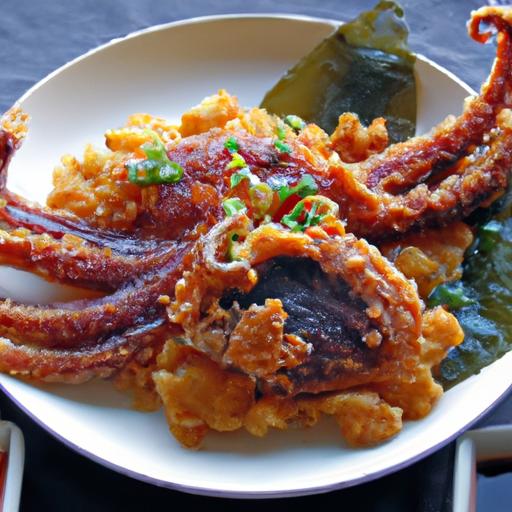



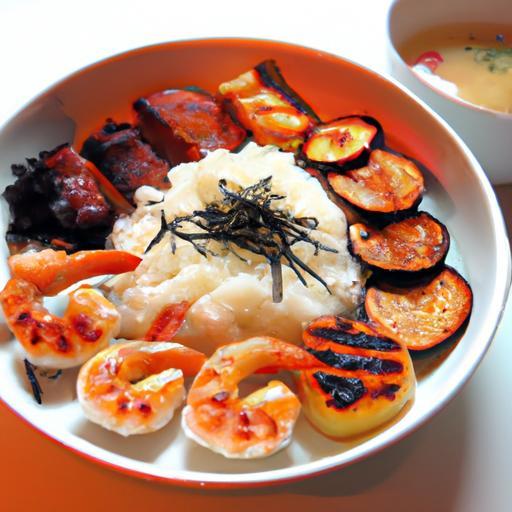
Step beyond the bustling streets of Tokyo and the elegant sushi counters of Kyoto,and enter the heart of Japan’s culinary soul: the warm,inviting realm of home cooking. Japanese home cooking is a tapestry woven with time-honored techniques, seasonal ingredients, and the subtle harmony of flavors that have been cherished for generations. In this article, we invite you to discover authentic recipes that capture the essence of everyday Japanese meals-simple yet deeply satisfying dishes that tell stories of culture, family, and tradition. Whether your a seasoned cook or a curious food lover, prepare to embark on a flavorful journey that brings the comforting spirit of Japanese kitchens right to your own table.
Discover Authentic Flavors: Japanese Home Cooking Recipes invite you into a world where simple, traditional ingredients come together through time-honored techniques to create dishes bursting with umami and comfort. From the tender simmering of kombu-dashi to the subtle artistry of balancing soy, mirin, and sake, these recipes capture the heart of Japanese family kitchens. Inspired by my childhood memories spent savoring my grandmother’s homemade miso soup and nimono stews, this guide equips you with the essential knowledge to recreate those soul-soothing flavors and textures that define Japanese home cooking.
Prep and Cook Time
- Readiness: 20 minutes
- cook Time: 40 minutes
- Total Time: 1 hour
Yield
Serves 4 generously, perfect for sharing with family and friends.
Difficulty Level
Medium – approachable for home cooks ready to explore authentic Japanese techniques with confidence.
ingredients
- 4 cups dashi stock (preferably homemade kombu and bonito broth)
- 2 tbsp miso paste (white or red, depending on preference)
- 1 block (150g) firm tofu, cut into 1-inch cubes
- 1 cup sliced shiitake mushrooms, stems removed
- 1 cup chopped wakame seaweed (rehydrated)
- 2 green onions, finely sliced
- 1 tbsp tamari or light soy sauce
- 1 tsp mirin (optional, for a touch of sweetness)
- Fresh grated ginger (optional, 1/2 tsp for warmth)
Instructions
- Prepare the dashi broth: Begin by combining kombu (dried kelp) and bonito flakes to make a clear, umami-rich dashi. Soak the kombu in cold water for 30 minutes, then slowly bring to a simmer. Remove kombu just before boiling, add bonito flakes, simmer for 2 minutes, and strain.
- Simmer mushrooms: Add sliced shiitake to the dashi and simmer for 8-10 minutes until tender and infused with flavor.
- Add tofu and wakame: Gently stir in the cubed tofu and rehydrated wakame, cooking for 3-5 minutes to heat through without breaking the tofu.
- Miso integration: In a small bowl, dissolve miso paste with a ladle of hot broth until smooth. Slowly whisk this mixture back into the pot over low heat, ensuring the soup doesn’t boil to preserve the miso’s delicate enzymes.
- Season the soup: stir in tamari, mirin (if using), and optional grated ginger. Adjust seasoning to taste, balancing salty and sweet umami layers.
- Finish with greens: Just before serving, sprinkle thinly sliced green onions on top for a fresh, peppery contrast and vibrant color.
Tips for Success
- Choose quality miso: White miso offers a sweeter, milder taste suited for lighter soups, while red miso gives a richer, deeper flavor.Feel free to blend for complexity.
- Freshness is key: Use freshly made dashi or a high-grade instant granule for convenience without sacrificing authenticity.
- Wakame caution: Soak dried wakame just until softened; avoid over-soaking as it expands significantly and can become slimy.
- Prevent boiling miso: Always add miso last and keep the soup at gentle heat to maintain its aromatic qualities.
- Make ahead: Prepare the dashi base and mushrooms a day ahead to deepen flavor. Add tofu and miso just before serving for optimal texture and taste.
Serving Suggestions
This comforting soup pairs beautifully with a bowl of steamed Japanese short-grain rice and pickled vegetables like tsukemono. Serve in traditional lacquerware bowls to enhance the authentic experience. Garnish with shredded nori or a few drops of toasted sesame oil for a subtle nutty aroma. Accompany with grilled fish or tempura for a complete, home-style Japanese meal that warms both heart and soul.

Nutritional Information
| Serving Size | Calories | protein | Carbohydrates | Fat |
|---|---|---|---|---|
| 1 bowl (250 ml) | 90 kcal | 8 g | 6 g | 3 g |
For additional inspiration exploring traditional Japanese recipes, visit Just One Cookbook, a trusted resource dedicated to authentic culinary crafts of japan.
Q&A
Q&A: Discover Authentic Flavors – Japanese Home Cooking Recipes
Q1: What makes Japanese home cooking different from restaurant cuisine?
A1: Japanese home cooking, or ie ryōri, emphasizes simplicity, seasonality, and comfort. Unlike the often elaborate presentation of restaurant dishes, home cooking focuses on wholesome ingredients prepared in ways that bring out natural flavors. It’s about everyday meals-nutritious, balanced, and deeply satisfying-that reflect family traditions and regional specialties.
Q2: What are some staple ingredients in Japanese home cooking?
A2: Key staples include rice, miso, soy sauce, dashi (a savory stock made from kombu seaweed and bonito flakes), tofu, seasonal vegetables, and fish. These ingredients form the foundation of many recipes, providing umami-rich flavors and nourishment without overwhelming complexity.
Q3: Can you recommend an easy Japanese home dish for beginners?
A3: Absolutely! Oyakodon-a comforting chicken and egg rice bowl-is perfect for beginners. It’s a one-pot dish combining tender chicken, silky eggs, and a lightly seasoned broth poured over steaming rice. Quick to prepare but full of warmth and flavor, it’s a classic family favorite.
Q4: How vital is seasonality in Japanese home cooking?
A4: Seasonality is central. Japanese home cooks honor the seasons by selecting fresh, local produce at its peak. This not only ensures optimal taste and nutrition but also connects the diner to the natural rhythms of the year-celebrating cherry blossoms in spring or hearty root vegetables in winter.
Q5: Is Japanese home cooking healthy?
A5: Generally,yes.Meals balance proteins, carbohydrates, and vegetables in moderate portions, often steamed, simmered, or lightly grilled rather than fried. The use of miso, fermented pickles, and fresh fish contributes to gut health and rich nutrient variety, making it both wholesome and flavorful.
Q6: How can I incorporate Japanese home cooking into my daily meals?
A6: Start small-try swapping out your usual seasoning for soy sauce and miso or include a bowl of miso soup with your dinners.Experiment with simple rice bowls or simmered dishes like nimono that don’t require special equipment. Over time, you’ll discover the joy of easy, flavorful meals rooted in tradition.
Q7: Where can I find authentic Japanese home cooking recipes?
A7: Ther are many marvelous cookbooks and blogs dedicated to ie ryōri,frequently enough written by Japanese home cooks sharing family recipes. Look for titles that emphasize seasonal cooking and everyday meals. Additionally, watching cooking videos from japanese home cooks can offer insights into timing, technique, and serving suggestions.
Embrace the art of Japanese home cooking-where simplicity meets soul, and every dish tells a story of family, nature, and tradition.
The Conclusion
As you embark on your own culinary journey through the vibrant world of Japanese home cooking, remember that each recipe is more than just a list of ingredients-it’s a story woven through generations, a festivity of simplicity and seasonality, and an invitation to connect with a culture that finds beauty in the humble and the heartfelt.By embracing these authentic flavors and time-honored techniques, you not only nourish your body but also awaken a deeper appreciation for the art of everyday meals. So, gather your ingredients, sharpen your knives, and let the warmth of Japanese home cooking transform your kitchen into a place where tradition and taste come alive. Your next delicious revelation awaits.