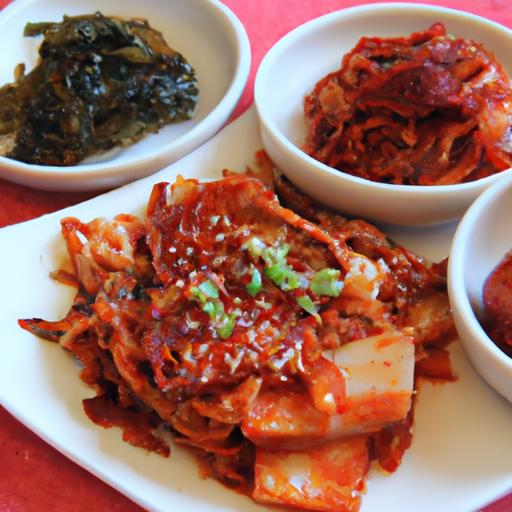

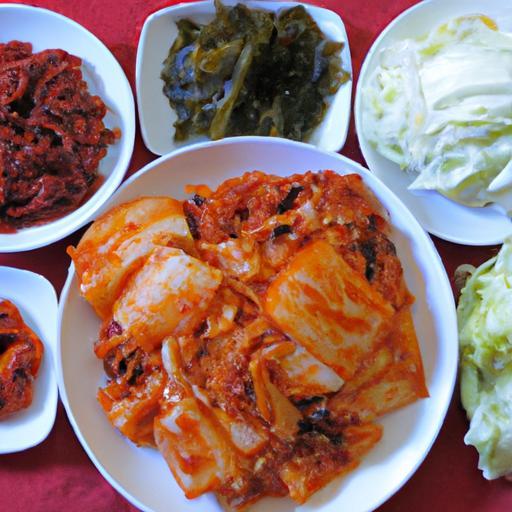
Step into the vibrant world of Korean cuisine, where every bite tells a story of heritage, flavor, and artistry. At the heart of this culinary culture lies one of its most treasured creations — Authentic Korean Kimchi Recipes. More than just food, Authentic Korean Kimchi Recipes represent a living expression of Korea’s soul — a perfect harmony of spice, tang, and time-honored technique. Each jar crafted from Authentic Korean Kimchi Recipes reflects generations of care, passion, and regional diversity.
In Authentic Korean Kimchi Recipes, simplicity meets complexity. Cabbage, radish, scallions, and chili intertwine to create a balance of crunch, heat, and zest. But beyond the familiar supermarket jars lies a world of Authentic Korean Kimchi Recipes that vary from province to province, family to family, telling tales of adaptation and pride. Whether it’s the fiery kick of Baechu Kimchi or the delicate charm of White Kimchi, these Authentic Korean Kimchi Recipes reveal the essence of Korean dining — communal, flavorful, and full of life.
Authentic Korean Kimchi Recipes: A Flavor Journey invites you to explore this timeless craft, guiding you step by step to recreate tradition in your own kitchen. As you dive into Authentic Korean Kimchi Recipes, you’ll uncover techniques passed down through generations — from precise salting methods to the art of fermentation. Each batch you prepare using Authentic Korean Kimchi Recipes is not merely a dish but a connection to centuries of Korean culture and culinary wisdom.
Mastering Authentic Korean Kimchi Recipes transforms your approach to flavor. It teaches patience, intuition, and the understanding that food is a living process — evolving, breathing, and maturing with time. With Authentic Korean Kimchi Recipes, every meal becomes an exploration of depth and character, enriching even the simplest dishes with layers of umami and history.
For both seasoned fermenters and beginners, Authentic Korean Kimchi Recipes open the door to creativity. Once you learn the fundamentals of Authentic Korean Kimchi Recipes, you can personalize flavors, add seasonal vegetables, and craft variations that reflect your own taste while staying true to Korean roots. Through Authentic Korean Kimchi Recipes, you don’t just cook — you participate in a legacy of passion, preservation, and cultural pride.
Embrace the journey. Let Authentic Korean Kimchi Recipes awaken your senses, challenge your culinary instincts, and introduce you to the art of flavor that has captivated the world for centuries.
Prep and Cook Time
- Preparation: 45 minutes
- Fermentation: 3 to 7 days at room temperature, then refrigeration
Yield
- Servings: Approximately 4 cups (serves 4 as a side dish)
Difficulty Level
- Medium – Requires patience and attention to the fermentation process, but accessible for persistent home cooks.
Essential Ingredients for Perfect Kimchi
Every spoonful of kimchi carries a mosaic of flavors crafted from a handful of essential ingredients, each playing a pivotal role:
- Napa cabbage (Baechu) – 1 large head, the star vegetable offering crisp texture and mild sweetness.
- Sea salt – ½ cup for salting and wilting the cabbage leaf layers.
- Water – 6 cups, preferably filtered or spring water.
- Korean red chili pepper flakes (Gochugaru) – ⅓ cup, providing vibrant color and moderate heat.
- Garlic – 5 large cloves, finely minced for pungency and depth.
- Fresh ginger – 1 tablespoon, grated to add subtle warmth.
- Fish sauce – 3 tablespoons, enriching the umami backbone (optional for vegetarians).
- Daikon radish – 1 medium, julienned for crunch and earthiness.
- Green onions – 4 stalks, sliced diagonally for freshness.
- Sugar – 1 teaspoon, balancing acidity and heat.
Step-by-Step Guide to Crafting Classic Baechu Kimchi at Home
- Prepare the cabbage: Cut the cabbage into quarters lengthwise and rinse under cold water to remove impurities.
- Salt the cabbage: In a large bowl, dissolve ½ cup sea salt in 6 cups of water. Submerge each cabbage quarter into the brine, weighting them down if necessary. Leave for 2 hours, turning every 30 minutes to ensure even salting.This wilts the leaves and starts the fermentation canvas.
- Rinse and drain: Thoroughly rinse the cabbage under cold running water 2-3 times to remove excess salt.Drain well and set aside.
- Make the spicy paste: Blend minced garlic, grated ginger, gochugaru, fish sauce, and sugar in a bowl until it forms a thick, vivid red paste.
- Add vegetables: Combine the julienned daikon radish and sliced green onions into the spicy paste for added texture and flavor bursts.
- Mix gently: wearing kitchen gloves, carefully spread the spicy mixture between each cabbage leaf, coating it thoroughly without crushing the delicate texture.
- Pack and ferment: Pack the coated cabbage tightly into a clean, airtight jar or kimchi crock, pressing down to remove air pockets. Leave some space at the top for expansion during fermentation.
- Ferment at room temperature: Leave the jar sealed at room temperature (about 68°F/20°C) for 3-5 days. Check daily and press down if bubbles form on top.
- Refrigerate: Once the desired sourness develops, transfer kimchi to the refrigerator to slow fermentation. It will continue to mature and flavor deepen over weeks.
Tips for Success with Your Kimchi crafting
- Salt quality matters: Use coarse sea salt without additives for the best texture and flavor.
- Adjust spice: Gochugaru varies from mild to hot; start with less if you prefer a gentler kick.
- Keep everything clean: Sterilize jars and utensils to avoid unwanted bacteria.
- Use gloves: Touching fermented paste can irritate skin and is odorous.
- Customize fermentation: Warmer temperatures accelerate sourness, while colder slows it-adjust to your taste.
- Make ahead: Kimchi improves over time and can be made weeks in advance for optimal flavor complexity.
Beyond the Basics: Regional Varieties and Unique Flavors
The beauty of kimchi lies in its versatility and regional expressions. From the mild, watery dongchimi of the north to the fiery, seafood-infused kimchi of the coastal south, each variation tells a story. Incorporate ingredients like salted shrimp (saeujeot), oysters, or even fruits such as apple and pear to deepen natural sweetness and complexity. Don’t hesitate to experiment while respecting traditional techniques, letting your palate be your guide on this flavor journey.
Serving Suggestions
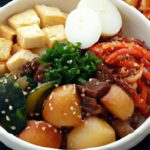
savor classic kimchi as a vibrant side dish alongside sizzling korean BBQ or mix it into fried rice for a flavorful punch.Garnish with toasted sesame seeds or thinly sliced scallions to enhance visual appeal and texture.For a refreshing twist, enjoy kimchi with fresh cucumber slices or atop steamed rice bowls, balancing its bold character with simple, fresh ingredients.
| Nutrient | Per 100g Serving |
|---|---|
| Calories | 25 kcal |
| Protein | 1.5 g |
| Carbohydrates | 4 g |
| Fat | 0.5 g |
For more fermented delights and a deeper dive into Korean cuisine, explore our comprehensive guide to Korean fermented foods. To learn about traditional fermentation science, visit the authoritative USDA National Institute of Food and Agriculture.

Q&A
Q&A: Discover Authentic Korean kimchi Recipes – A Flavor Journey
Q1: what makes Korean kimchi so special compared to other pickled vegetables?
A1: Kimchi is not just a pickled vegetable-it’s a vibrant harmony of flavors, textures, and traditions. What sets authentic Korean kimchi apart is its intricate fermentation process and the use of specific local ingredients like napa cabbage,Korean radish,and a unique blend of chili flakes (gochugaru). This alchemy creates a perfect balance of spicy, sour, umami, and slightly sweet notes that evolve over time, making every bite a dynamic flavor journey.
Q2: Can you describe the traditional fermentation process of kimchi?
A2: Certainly! Traditional kimchi fermentation is a slow, natural process where beneficial lactobacillus bacteria transform the salted vegetables into a tangy, probiotic-rich delicacy. After seasoning the vegetables with a spicy paste made from garlic, ginger, chili, and fish sauce, the mixture is packed tightly into airtight containers. Left to ferment at cool temperatures-often underground in earthenware jars-kimchi develops depth and complexity in flavor over days or weeks.
Q3: Are there different types of kimchi to try on this flavor journey?
A3: Absolutely! Kimchi comes in many regional and seasonal varieties.From the classic baechu kimchi (napa cabbage) to kkakdugi (cubed radish kimchi),and the refreshing oi sobagi (cucumber kimchi),each type offers a distinct taste and texture. Exploring thes variations lets you appreciate the breadth of Korean culinary heritage and how local ingredients and traditions shape each version.
Q4: What are some essential tips for creating authentic kimchi at home?
A4: Start with fresh, high-quality vegetables and authentic Korean chili flakes (gochugaru)-the color and flavor depend largely on this spice.Don’t rush the salting process; it’s crucial to draw out moisture and build crispness. Use traditional flavor enhancers like garlic,ginger,fish sauce,and sometimes fermented shrimp or oysters for depth. Lastly,be patient-letting kimchi ferment properly at the right temperature unlocks its characteristic zing and probiotic benefits.
Q5: How can enjoying kimchi enhance one’s thankfulness for Korean culture?
A5: Kimchi is a culinary cornerstone of Korean life,symbolizing communal effort,seasonal cycles,and cultural identity. Making kimchi often involves “kimjang,” a communal practice of preparing large batches together-a ritual so meaningful it’s recognized by UNESCO. Savoring kimchi allows you to taste not just a dish, but centuries of tradition, shared stories, and the hospitality that define Korean culture.
Q6: What unique flavor profiles shoudl first-time kimchi eaters expect?
A6: first-timers can anticipate an exciting burst of layered flavors: an initial crunch followed by a tangy punch from fermentation, a kick of heat from chili flakes, and subtle savory undertones from garlic and fish sauce.The taste is vibrant and lively, sometimes surprising with its complexity. It’s a bit salty, a little sour, slightly sweet, and altogether addictive-inviting you to dive deeper into the world of Korean cuisine.
In Retrospect
Embarking on the journey to master authentic Korean kimchi is more than just following a recipe-it’s an invitation to connect with centuries of culture, tradition, and the vibrant flavors that have captivated taste buds around the world. Whether you’re a curious foodie or a seasoned fermenter, these recipes serve as your gateway to the rich, tangy, and spicy symphony that kimchi offers. So gather your ingredients, roll up your sleeves, and let each bubbling batch tell a story of heritage and home. Your adventure into the heart of korean cuisine has only just begun-ready to savor every bite?