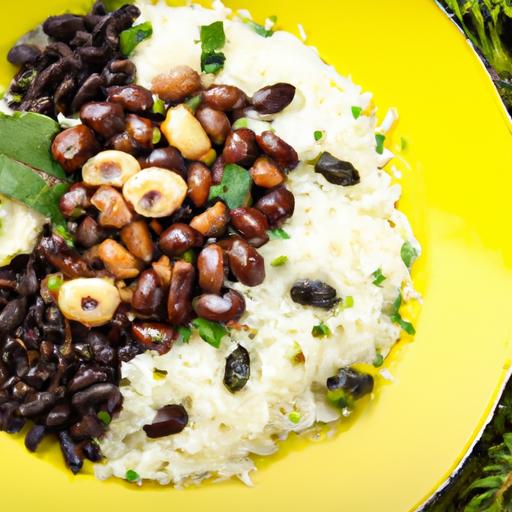


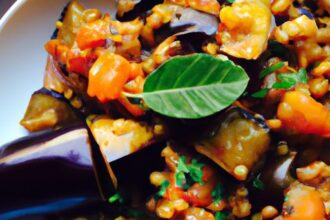
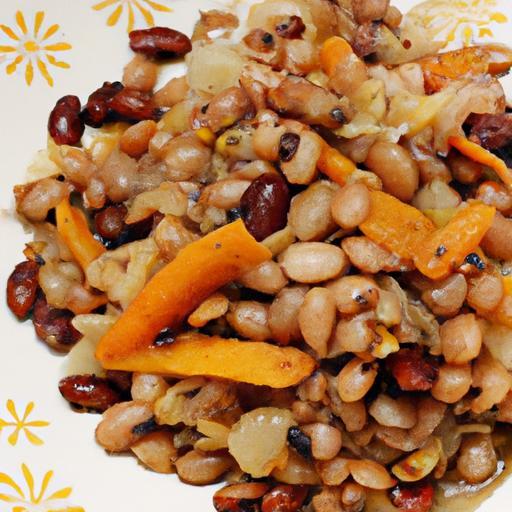
Nestled within the vibrant landscapes of Kenya lies a hidden gem that’s capturing the palates of food enthusiasts and health-conscious consumers alike-Kenyan Coconut Beans. This tropical treasure, were the creamy richness of coconut meets the hearty goodness of beans, offers a unique culinary experience that’s as nourishing as it is delightful.From bustling local markets to upscale dining tables, these beans are redefining what it means to savor nature’s bounty. Join us as we explore the origins, benefits, and cultural meaning of Kenyan Coconut Beans-an unusual fusion bringing a taste of the tropics to every bite.
Kenyan Coconut beans bring an extraordinary fusion of tropical sweetness and earthy richness,embodying the heart of East African culinary heritage. Originating from the lush coastal regions of Kenya, these vibrant beans have been cherished for generations, celebrated not only for their alluring flavor but also for their remarkable versatility. My first encounter with Kenyan Coconut Beans was during a family gathering along the Indian Ocean shore, where the local matriarch prepared a stew that melded creamy coconut milk with tender beans-a dish so vibrant and comforting it lingered in my memory and inspired countless kitchen experiments.
Prep and Cook Time
- Preparation: 15 minutes
- Cooking: 40 minutes
- Total Time: 55 minutes
Yield
- Serves 4 generously
Difficulty Level
- Medium – ideal for home cooks eager to explore global flavors
Ingredients
- 1 cup Kenyan Coconut Beans (soaked overnight for optimal texture)
- 2 cups coconut milk (freshly squeezed preferred for authenticity)
- 1 medium onion, finely diced
- 2 cloves garlic, minced
- 1 inch ginger, grated
- 1 large tomato, chopped
- 1 green chili, deseeded and thinly sliced
- 2 tablespoons coconut oil
- 1 teaspoon turmeric powder
- 1 teaspoon coriander powder
- Salt to taste
- Fresh coriander leaves for garnish
- 1 cup water (adjust as needed)
Instructions
- Drain the soaked kenyan Coconut Beans and rinse them thoroughly under cold water to remove any residual dirt.
- Heat coconut oil in a heavy-bottomed pan over medium heat. Add finely diced onions and sauté until translucent and fragrant, roughly 5 minutes.
- Add garlic, ginger, and green chili. sauté for another 2 minutes, stirring regularly to prevent burning.
- Stir in turmeric and coriander powder to toast the spices lightly, about 1 minute, releasing their aromatic oils.
- Add chopped tomatoes and cook until they soften and the mixture becomes saucy, about 4 minutes.
- Incorporate the Kenyan Coconut Beans and stir to coat with the spiced mixture.
- Pour in coconut milk and water, bring the mixture to a gentle simmer. Reduce heat to low and cover the pot.
- Cook for 30-40 minutes or until the beans are tender and the sauce has thickened slightly, stirring occasionally to prevent sticking.
- Season with salt to taste and garnish with fresh coriander leaves before serving.
Tips for Success
- Soaking the beans overnight softens them and reduces cooking time drastically.
- Use fresh coconut milk whenever possible to maximize the tropical essence of the dish.
- If the sauce thickens too much during cooking, gently add water to reach your preferred consistency.
- For a richer flavor profile, substitute coconut oil with a blend of coconut and avocado oil.
- This dish can be made ahead and stored in the fridge for up to 3 days; flavors deepen with time.
Serving Suggestions
Kenyan Coconut Beans are a splendid centerpiece for a meal. Serve piping hot alongside fluffy jasmine rice or warm chapatis, enhancing the tropical creamy texture with contrasting fluffy grains. Garnish with a sprinkle of toasted coconut flakes and a wedge of lime to elevate freshness. Pair with a crisp avocado salad to add a cooling element that balances the spices perfectly.

| Nutrient | Per Serving |
|---|---|
| Calories | 320 kcal |
| Protein | 15 g |
| Carbohydrates | 36 g |
| Fat | 12 g |
Discover more about other nutrient-packed tropical ingredients in our Tropical Superfoods Guide for exciting culinary inspiration. For an authoritative dive into the health benefits of coconut fats and beans, visit Healthline’s coconut oil overview.
Q&A
Q&A: Kenyan Coconut Beans – A Tropical Treasure in Every Bite
Q1: What exactly are Kenyan Coconut Beans?
A1: Kenyan Coconut Beans are a delightful fusion of two iconic tropical flavors-rich, creamy coconut and hearty beans-native to the fertile regions of Kenya. These beans are often cooked or roasted with coconut milk or fresh grated coconut,creating a uniquely aromatic and nutritious dish that captures the essence of the Kenyan coast’s lush bounty.
Q2: Where do Kenyan Coconut Beans come from?
A2: These beans hail from the coastal areas of Kenya, where coconut palms sway in the ocean breeze and fertile soils nurture a variety of legumes. The tradition of combining beans with coconut dates back generations, blending indigenous farming practices with coastal culinary influences from Arab traders and Indian settlers.
Q3: What makes Kenyan Coconut Beans a “tropical treasure”?
A3: It’s all about balance-nutritional, cultural, and gastronomic. Kenyan Coconut Beans offer protein-packed sustenance infused with the sweet creaminess of coconut, delivering a dish that’s both hearty and exotic. The tropical coconut adds a mellow richness, transforming everyday beans into a gourmet experience bursting with island charm.
Q4: How are Kenyan Coconut Beans typically prepared?
A4: Preparation varies, but one beloved method involves simmering kidney or black beans until tender, then slowly cooking them in freshly extracted coconut milk with spices like cumin, coriander, and turmeric. sometimes, grated fresh coconut is toasted and sprinkled on top, adding texture and a fragrant finish that’s simply irresistible.
Q5: Can Kenyan Coconut Beans be enjoyed in different dishes?
A5: Absolutely! They’re wonderfully versatile. Serve them as a comforting stew alongside rice or ugali (Kenyan cornmeal porridge), blend into savory bean patties, or even toss into salads for a tropical twist. Their sweet, nutty undertones also pair beautifully with grilled seafood or roasted vegetables, making them a favorite ingredient in both traditional and innovative Kenya-inspired recipes.
Q6: Are Kenyan Coconut Beans healthy?
A6: Yes! Combining the plant-based protein and fiber of beans with the healthy fats and vitamins found in coconut makes for a nutrient-dense powerhouse. This dish supports digestion, sustains energy, and delivers essential nutrients like iron, magnesium, and vitamin C-all while treating your taste buds to a mini tropical escape.
Q7: Why should food lovers worldwide embrace Kenyan Coconut Beans?
A7: Because every bite tells a story-a tale of Kenyan tradition, coastal landscapes, and the joyful marriage of flavors that invite exploration and festivity. These beans don’t just nourish; they connect you to a culture rich in history and natural beauty. Embracing Kenyan coconut Beans is like savoring a tropical treasure chest filled with flavor, nutrition, and heritage.
The Conclusion
As the sun sets over kenya’s lush landscapes,the humble coconut bean stands as a vibrant testament to the country’s rich agricultural heritage and evolving culinary scene. More than just a tropical treat, these beans encapsulate the spirit of innovation and sustainability, offering nutrition, flavor, and a touch of island magic in every bite. Whether enjoyed fresh, roasted, or woven into local delicacies, Kenyan coconut beans invite us to savor a true taste of paradise-reminding us that sometimes, the greatest treasures come wrapped in nature’s simplest packages.