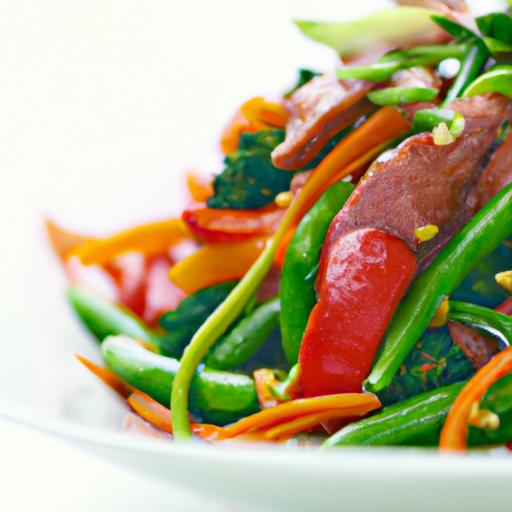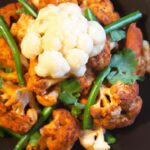
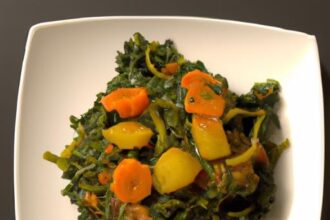
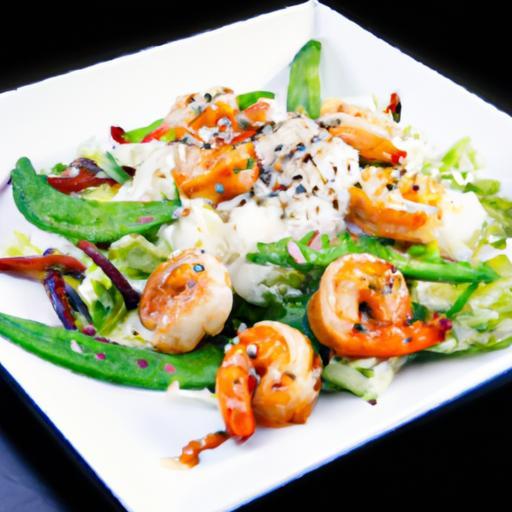
In the sizzling dance of flames and flavors, stir-frying stands as a vibrant culinary art that transforms simple ingredients into mouthwatering masterpieces. mastering the art of stir-frying is more than just a cooking method-it’s a dynamic symphony of technique, timing, and intuition. From the crackle of a hot wok to the swift, rhythmic movements of the spatula, every element plays a crucial role in achieving that perfect balance of texture, color, and taste. Whether you’re a kitchen novice or a seasoned cook looking to elevate your skills, understanding the secrets behind stir-frying will unlock a world of quick, healthy, and irresistibly appetizing meals. Join us as we explore the essential techniques for success and bring the bold flavors of stir-fry to life with confidence and flair.
Mastering the art of stir-frying begins with understanding the delicate balance between heat, timing, and ingredient planning that transforms a simple skillet into a vibrant feast. This dynamic cooking method, rooted in centuries of Asian culinary tradition, is celebrated for delivering crisp textures and bold flavors in minutes. Whether you are recreating a classic Sichuan stir-fry or experimenting with colorful vegetable medleys, the key is in your tools, technique, and flavour harmony.
Prep and Cook Time
- Preparation: 15 minutes
- Cooking: 10 minutes
- Total time: 25 minutes
Yield
Serves 4 generously
Difficulty Level
Medium – Perfect for home cooks wanting to elevate their stir-fry skills
Ingredients
- 2 tablespoons vegetable oil (high smoke point, such as peanut or canola oil)
- 3 cloves garlic, minced
- 1-inch piece ginger, finely grated
- 1 large red bell pepper, thinly sliced
- 1 cup broccoli florets
- 1 medium carrot, julienned
- 200g boneless chicken breast, thinly sliced (optional for non-vegetarian)
- 3 green onions, cut into 1-inch pieces
- 2 tablespoons soy sauce (low sodium preferred)
- 1 tablespoon oyster sauce (or vegetarian mushroom sauce)
- 1 teaspoon toasted sesame oil
- 1 teaspoon cornstarch mixed with 1/4 cup cold water
- Freshly ground black pepper, to taste
- Cooked jasmine rice, for serving
Instructions
- Heat your wok or large skillet over medium-high heat until smoking slightly; this is essential for that signature sear and crisp texture.
- Add the vegetable oil and swirl to coat evenly.
- Sauté the garlic and ginger quickly, about 15-20 seconds until fragrant but not browned, stirring constantly to avoid burning.
- Add the sliced chicken (if using), stirring continuously until the edges turn golden-approximately 3-4 minutes.
- Introduce the vegetables starting with the broccoli and carrots, cooking for 2 minutes until they turn radiant and maintain crunch.
- Toss in the red bell pepper and green onions,stir-frying for another 1-2 minutes to blend the vibrant colors and textures.
- Pour in the soy sauce, oyster sauce, and black pepper, incorporating them thoroughly to coat your ingredients with umami-rich flavor.
- Slowly add the cornstarch slurry, stirring briskly to thicken the sauce and create a glossy finish that clings to each bite.
- Finish with toasted sesame oil added at the end for a fragrant, nutty note that elevates the dish’s aroma and depth.
- Serve immediately over fluffy jasmine rice, garnished with extra green onions or toasted sesame seeds for added flair.
Tips for Success
- Use a well-seasoned wok or heavy skillet to ensure even heat distribution-this prevents steaming and promotes that coveted wok hei (breath of the wok) flavor.
- Prepare all ingredients in advance; stir-frying moves quickly, so having everything chopped and ready is key to achieving crisp textures.
- Maintain high heat throughout cooking to seal in moisture and develop complexity, but watch closely to prevent burning garlic and sauces.
- Balance your flavors by adjusting soy sauce, sweetness, and acidity if needed-for example, a splash of rice vinegar or a pinch of sugar can harmonize your stir-fry beautifully.
- Experiment with protein alternatives such as tofu,shrimp,or tempeh to suit dietary preferences.
- Make-ahead tip: pre-mix your sauce and store in the fridge for up to a week to streamline future cooking sessions.
Serving Suggestions
Present your stir-fry on a wide, shallow platter to showcase the colorful vegetables and glistening sauce. For added texture, sprinkle with toasted sesame seeds or chopped roasted peanuts. Pair with simple steamed jasmine rice or fragrant coconut rice to soak up the sauce. For a crisp element,a side of quick-pickled cucumbers or a light Asian slaw perfectly complements this vibrant dish. Garnish with fresh cilantro or Thai basil for an herbal brightness that completes the plate.
| Nutrient | Per Serving |
|---|---|
| Calories | 320 kcal |
| Protein | 25 g |
| Carbohydrates | 18 g |
| Fat | 14 g |

Explore more ways to elevate your stir-fry by visiting our detailed Ultimate Guide to Asian Cooking Techniques. For a deeper dive into ingredient interactions and food safety, the USDA Food Safety and Inspection Service is an excellent resource.
Q&A
Q&A: Mastering the Art of Stir-Frying – Techniques for Success
Q1: What exactly is stir-frying, and why is it such a beloved cooking method?
A: Stir-frying is a quick, high-heat cooking technique originating from Chinese cuisine, where small, uniform pieces of food are tossed continuously in a hot wok or skillet. This method preserves the vibrant colors, crisp textures, and bright flavors of ingredients, making meals both visually appealing and nutritionally rich. Its speed and versatility have made it a staple in kitchens worldwide.
Q2: What equipment do I need to get started with stir-frying?
A: The quintessential tool is a wok-a round-bottomed, lightweight pan designed for rapid, even heating.If a wok isn’t available, a large, heavy-bottomed skillet with sloped sides will do. Beyond that, a sturdy spatula or wooden spoon for quick tossing, a reliable stove with good heat output, and a prep station where all ingredients are chopped and ready are essential for smooth execution.
Q3: How important is ingredient preparation in stir-frying?
A: Absolutely critical. stir-frying is a fast dance; the pan is hot, and the cooking window is short. having all ingredients prepped-washed,sliced evenly,and portioned-before the heat hits the pan means everything cooks evenly and beautifully. Uniform cuts also ensure ingredients finish cooking simultaneously, preventing any piece from becoming mushy or burnt.
Q4: What’s the secret to getting that perfect sear without steaming the food?
A: High heat and minimal moisture are your amigos here. Before the stir-fry begins, make sure your wok or pan is sizzling hot, and pat ingredients dry to avoid excess water.Resist the urge to overcrowd the pan; cook in batches if necessary. This allows the food to make direct contact with the surface, caramelizing and developing those signature toasty notes rather of releasing steam and becoming soggy.
Q5: Can you share a foolproof sequence for adding ingredients?
A: Certainly! Begin with aromatics like garlic, ginger, and chili, giving them a brief moment to infuse the oil. Next, add proteins-chicken, beef, tofu-to sear and lock in flavor. Once proteins are mostly cooked, toss in sturdier vegetables such as carrots or broccoli, followed by delicate ones like leafy greens or bean sprouts near the finish. Sauces and seasonings go in last, coating the ingredients without turning them soggy.
Q6: How do sauces enhance stir-fried dishes without overpowering them?
A: Think of sauces as the final brushstrokes on a canvas. A simple combination of soy sauce, oyster sauce, a dash of sesame oil, and a touch of sugar or vinegar can elevate your dish with umami, sweetness, and acidity. Add sauces sparingly and toss quickly so they lightly glaze the ingredients, enhancing rather than drowning their natural flavors.
Q7: What are common pitfalls beginners should avoid when stir-frying?
A: The biggest missteps include starting with a cold pan, adding too many ingredients at once, and neglecting prep. Also, cooking too slowly or stirring too gently turns stir-frying into steaming, losing that signature crispness. Lastly, over-saucing can result in a watery, messy dish rather of a glossy, appetizing stir-fry.
Q8: Any pro tips to truly take stir-frying from good to great?
A: Embrace the rhythm-constant, confident tossing keeps heat distributed and prevents burning. Use a splash of oil with a high smoke point, like peanut or grapeseed oil. Experiment with textures by adding crunchy nuts or seeds at the end. And most importantly, trust your instincts; each stir-fry is a delicious experiment where your palate guides your creativity.
By mastering these techniques, stir-frying transforms from a simple cooking method into a vibrant expression of flavor and texture – a true art form in your own kitchen!
Concluding Remarks
as you bring your stir-frying journey to a close, remember that this vibrant cooking method is as much an art as it is indeed a science.With each sizzle and toss, you’re not just preparing a meal-you’re crafting a symphony of flavors and textures that dance harmoniously in your wok. Mastering the art of stir-frying takes practice,patience,and passion,but armed with the right techniques,you can transform simple ingredients into mouthwatering masterpieces in minutes. So fire up your stove, embrace the rhythm of the wok, and let your creativity take flight. Your stir-frying success story awaits-ready to be written with every delicious bite.