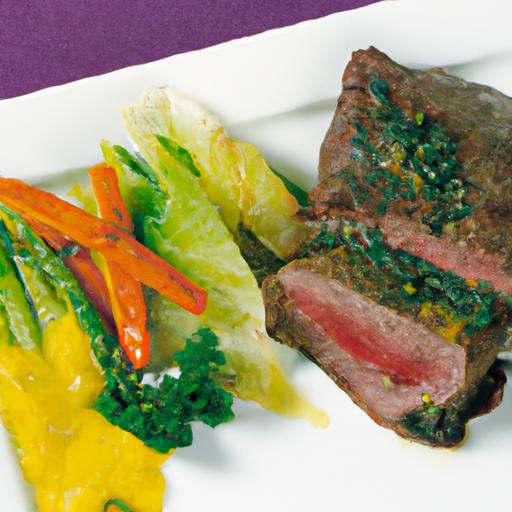
Beneath the vibrant rhythms and breathtaking landscapes of the continent, Savoring South America reveals a culinary heritage as deep and diverse as its people. From the smoky embers of Andean fire pits to the fragrant clay pots of the Amazon basin, Savoring South America celebrates traditional cooking methods lovingly preserved and passed down through generations. These time-honored techniques in Savoring South America are not merely about preparing food—they are powerful narratives of survival, festivity, and identity that unite communities and generations. Every dish within Savoring South America tells a story of connection between the earth and the table, between ancestral roots and modern taste.
In Savoring South America, the essence of authentic cuisine thrives through fire, clay, and patience. Each region contributes its own soulful expression—proof that Savoring South America is as much about cultural preservation as it is about flavor. Among the many treasures explored through Savoring South America, the art of pachamanca stands out: a slow-cooked Andean feast that merges the earth’s warmth with native meats, tubers, and herbs. In this celebration of ancient craft, Savoring South America uncovers how indigenous techniques blend with nature’s rhythm, creating meals steeped in both history and harmony.
Through every recipe and every story, Savoring South America invites you to rediscover the beauty of food made with intention and respect. Whether uncovering the secrets of traditional firewood cooking or mastering the ritual of earth-oven feasts, Savoring South America rekindles the connection between nourishment and heritage. It is more than a culinary exploration—it is a living tribute to passion, resilience, and the timeless bond between flavor and culture. With each bite, Savoring South America reminds us that true taste begins where tradition meets the soul.
Savoring South America: Traditional Cooking Techniques Unveiled
Savoring South America: traditional cooking techniques unveiled offers an inspiring journey into the heart of ancestral flame and earth oven practices, where ancient fires cradle vibrant flavors and indigenous ingredients. Among these, the art of pachamanca stands out-a sumptuous, slow-cooked feast born from the Andean highlands, harmonizing the earth’s warmth with a medley of native meats, tubers, and herbs. this recipe leads you through mastering pachamanca, unlocking the secrets of authentic firewood cooking, and creating a dish that’s as much a celebration of culture as it is indeed of taste.
Prep and Cook Time
- Readiness: 1 hour 30 minutes (includes marinating and digging the earth oven)
- Cooking: 3 hours
- Total Time: Approximately 4 hours 30 minutes
Yield
Serves 6-8 hearty portions
Difficulty Level
Advanced – Requires planning and patience to truly honor the traditional method
Ingredients
- 3 lbs mixed meats (lamb, pork, chicken), cut into large pieces
- 1 lb Andean potatoes or small red potatoes, scrubbed
- 1 lb sweet potatoes, peeled and halved
- 1 lb corn on the cob, cut into thirds
- 200 g fava beans or lima beans, fresh or thawed
- 1 cup fresh cilantro, chopped
- 1 tbsp ground cumin
- 1 tbsp smoked paprika
- 5 cloves garlic, minced
- 1/4 cup white vinegar
- Salt and freshly ground black pepper to taste
- Large banana leaves or aluminum foil for lining the earth oven
- Firewood or hardwood charcoal (oak, mesquite, or native hardwoods preferred)
- Optional: hot ají sauce or rocoto for serving
Instructions
- Marinate the Meats: In a large bowl, combine the minced garlic, ground cumin, smoked paprika, white vinegar, salt, and pepper.Rub this marinade over all the meat pieces. Cover and refrigerate for at least 1 hour to deepen flavor.
- Prepare the Earth oven: Dig a pit approximately 2 feet deep and 3 feet wide in a safe outdoor area. Build a robust fire in the pit using firewood, letting it burn down to glowing embers over 1-1.5 hours.
- Layer the Ingredients: Once the embers are ready, line the bottom and sides of the pit with banana leaves or sturdy aluminum foil to prevent burning. Place the marinated meats at the bottom, followed by layers of potatoes, sweet potatoes, corn, and beans. Sprinkle chopped cilantro between layers for aroma.
- Cover and Seal: Wrap the entire layered pit with more banana leaves or foil, then cover with soil, creating an airtight seal that will trap heat and steam. This slow, gentle cooking method mirrors a natural oven powered by the earth’s own warmth.
- Cook: Let the pachamanca cook undisturbed for 3 hours. Avoid opening the pit during cooking to preserve heat and moisture.
- Unveil the Feast: Carefully remove the soil and leaves to reveal tender, succulent meats and perfectly cooked vegetables, infused with smoky, earthy flavors. Serve immediately, garnished with fresh cilantro or a drizzle of ají sauce.
Tips for Success
- firewood Choice: Use hardwoods like oak or mesquite for longer-lasting embers and richer smoke aroma-avoid softwoods that produce excessive smoke or resin.
- Banana Leaves Substitute: If banana leaves are unavailable, large collard green leaves or foil work well to create steam and protect the food from direct heat.
- Make-Ahead: Marinade the meat the night before to intensify flavors and reduce prep time on cooking day.
- Alternative Cooking Method: For those without outdoor space, replicate pachamanca using a slow cooker or Dutch oven to enjoy similar layered flavors indoors.
- Safety reminder: Always ensure the fire pit is away from flammable materials and is fully extinguished after cooking.
Serving Suggestions
This dish shines when served family-style on a large wooden platter or traditional woven basket lined with fresh leaves. Accompany with:
- Fresh corn tortillas or crusty Andean bread
- Brightly colored ají amarillo or rocoto sauces for a spicy kick
- A simple side salad of diced tomatoes, onions, and cilantro dressed with lime
- Chicha morada or a chilled glass of South American red wine to complement smoky notes
| Nutrient | Per Serving |
|---|---|
| Calories | 420 kcal |
| Protein | 35 g |
| Carbohydrates | 28 g |
| Fat | 15 g |

For a deeper dive into indigenous South American flavors, check out our guide to native ingredients. To explore the cultural significance of earth oven cooking, visit this britannica entry on Pachamanca.
Q&A
Q&A: savoring South America – Traditional Cooking Techniques Unveiled
Q1: What makes South American cuisine uniquely vibrant and beloved worldwide?
A1: South American cuisine is a flavorful mosaic forged by centuries of cultural fusion. Indigenous ingredients like maize, potatoes, and quinoa meet Spanish, African, and immigrant influences, creating layers of taste and tradition.The use of traditional cooking techniques such as open-fire grilling, clay pot stewing, and fermentation infuses dishes with a soulful authenticity that’s both hearty and nuanced.
Q2: Which traditional cooking methods stand out in South America?
A2: A few techniques shine brightly:
- Asado: This iconic Argentine and Uruguayan method involves slow-cooking meats over wood or charcoal embers, imparting smoky depth.
- Pachamanca: Originating from the Andes, it’s an earth oven method where marinated meats, potatoes, and corn are cooked underground with heated stones.
- Ceviche’s marination: While raw, the technique of “cooking” fish in citrus juices is a clever conversion that enhances flavor and safety.
- Tamale steaming: Wrapped in banana or corn husks,tamales are slowly steamed,preserving moisture and blending fillings with the wrapper’s subtle aroma.
Q3: How are indigenous ingredients celebrated through these techniques?
A3: Indigenous staples are honored by cooking methods that respect their origins. Quinoa and amaranth are often toasted or boiled simply to enhance their nuttiness. Potatoes, native to the Andean highlands, find new life as roasted or boiled accompaniments. Cooking in clay pots preserves natural flavors and nutrients, connecting modern palates to ancient earth.
Q4: Can you share how communal cooking plays a role in South American food culture?
A4: Absolutely! Many traditional cooking techniques are as much about connection as cuisine. As a notable example, the asado is a social ritual where families and friends gather around the grill, sharing stories as the meat cooks low and slow.Pachamanca is often a communal feast, with locals coming together to prepare and celebrate in harmony with nature and each other.
Q5: How are these time-honored techniques influencing contemporary South American chefs?
A5: Today’s chefs draw inspiration from these roots, honoring tradition while innovating. They might experiment with fusion by incorporating modern plating or molecular gastronomy, yet still rely on foundational methods like slow roasting or fermentation. This respect for heritage enriches the culinary scene, preserving authenticity while inviting new expression.
Q6: As a home cook, how can I start embracing South America’s traditional cooking techniques?
A6: Begin with simplicity: try grilling meats like for an asado, or preparing ceviche with fresh fish and citrus. Experiment with slow cooking in a heavy pot to mimic Pachamanca’s tenderness. use local, seasonal ingredients, and invite friends over to engage in the communal spirit. The secret lies in patience, respect for ingredients, and savoring the experiance, not just the meal.
Q7: What’s the ultimate takeaway for readers eager to savor South america at their own tables?
A7: South America’s traditional cooking is a vibrant narrative told through fire, earth, and water-a story that invites you to taste history, culture, and connection. By unveiling these techniques, you unlock more than recipes; you embrace a worldview where food nourishes body, soul, and community alike. So light that fire, unwrap those husks, and savor the deep, flavorful heart of South america.
In Retrospect
As the vibrant aromas of South America’s kitchens drift away, we are reminded that these traditional cooking techniques are more than just methods-they are living stories, passed down through generations, simmering with culture, history, and heart. From the smoky embrace of the Paraguayan tereré grill to the slow, tender coaxing of the Andean pachamanca, each dish carries a legacy waiting to be savored. Embracing these time-honored practices not only enriches our palates but also deepens our connection to a continent where food is a celebration, a ritual, and a bridge across diverse landscapes and peoples. So next time you gather around the stove or an open fire, let the spirit of South America inspire your cooking-and your soul.