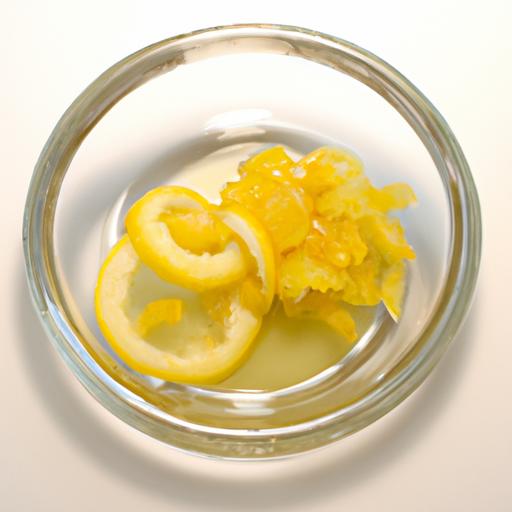




Ther’s something undeniably enchanting about preserved lemons-their luminous, tangy punch combined with a mellow, earthy depth transforms dishes from ordinary to unusual. Frequently enough hailed as a secret ingredient in Moroccan, Middle Eastern, and Mediterranean cuisines, these zesty gems infuse stews, salads, and sauces with a unique burst of flavor that’s both vibrant and complex. If you’ve ever wondered how to bring this magic into your own kitchen, you’re in for a treat.In this step-by-step guide, we’ll unravel the simple yet engaging art of making homemade preserved lemons, unlocking centuries-old traditions and filling your pantry with sunshine in a jar. prepare to embark on a flavorful journey that’s as rewarding to make as it is to taste.
Zesty Magic: A Step-by-Step Guide to Homemade Preserved Lemons
Preserved lemons are a culinary treasure that transform simple dishes into flavor-packed sensations. Discovering the art of preservation is where zesty magic truly happens-unlocking bold aromas that deepen gradually with time. From choosing the perfect lemons bursting with zest to mastering a brine that balances tang with subtle spice, each stage invites you to turn ordinary citrus into extraordinary staples for your kitchen.
Prep and Cook Time
- Preparation: 15 minutes
- Fermentation: 4 weeks (minimum)
- Total Time: Approximately 4 weeks and 15 minutes
Yield
1 quart (approximately 6-8 preserved lemons)
Difficulty Level
Medium – requires patience and attention to detail but simple techniques
Ingredients
- 6 organic lemons, unwaxed and firm with bright yellow skin
- ½ cup kosher salt, preferably coarse
- 2 cups filtered water
- 1 cinnamon stick
- 3 whole cloves
- 2 bay leaves
- 1 teaspoon black peppercorns
- Optional: a pinch of dried chili flakes (for a hint of heat)
Instructions
- choosing the perfect lemons: Select firm, bright yellow organic lemons without blemishes or soft spots. The riper and less green, the better their zest will infuse. Wash thoroughly to remove any residues-this ensures optimum cleanliness before preservation.
- Prepare your lemons for preservation: Slice each lemon lengthwise into quarters, stopping just ½ inch from the base to keep them intact. This creates a cross-like cut perfect for salt absorption.
- Salt your lemons: Sprinkle a generous amount of kosher salt inside each lemon incision, distributing it evenly between the quarters. Salt acts as the natural preservative and catalyst for the fermentation process.
- Pack into a sterilized jar: Firmly place each salted lemon into a clean, airtight glass jar. Press down gently to release juices and create liquid at the bottom. If needed, add freshly squeezed lemon juice to fully submerge the fruit for proper preservation.
- Craft your brine mixture: In a small saucepan, combine filtered water, cinnamon stick, cloves, bay leaves, black peppercorns, and chili flakes if using. Bring to a gentle simmer for 5 minutes to infuse the flavors, then cool fully.
- Pour the cooled spiced brine over the lemons: Make sure all lemons are fully submerged. Seal the jar tightly and gently shake to mix the contents.
- Master the fermentation process: Leave the jar at room temperature out of direct sunlight to ferment for 3-4 weeks. During this time, the lemons will soften, and the flavors meld into a vibrant symphony of tang, tartness, and complex spice.
- Shake the jar weekly: Every 7 days, give the jar a gentle shake to redistribute the salt and spices, ensuring even fermentation.
- After 4 weeks: Your preserved lemons are ready to use. Store them refrigerated to maintain flavor and freshness. Use the rind and pulp in stews, dips, sauces, or salads for a delightful burst of citrus zest.
Tips for Success
- Use organic lemons: Waxed lemons may hinder proper salt absorption and fermentation.
- Submerge completely: Ensuring lemons stay underwater prevents mold and spoilage.
- Customize spices: Feel free to experiment with star anise, coriander seeds, or fresh herbs for unique flavor profiles.
- Patience is key: While the lemons are edible after 3 weeks, waiting 4 to 6 weeks deepens the flavor dramatically.
- Reuse the brine: The flavorful liquid can be added to dressings or marinades for an extra zing.
Serving Suggestions
Preserved lemons add an unforgettable depth to Moroccan tagines, Mediterranean salads, and grilled fish recipes. Rinse them lightly before use to moderate saltiness. Chop finely to scatter over couscous, blend into hummus for a bright twist, or layer on roasted vegetables.Garnish dishes with a small wedge to visually emphasize that zesty magic.

| Nutrient | Per Serving (1 preserved lemon) |
|---|---|
| Calories | 25 |
| Protein | 0.5g |
| Carbohydrates | 6g |
| Fat | 0g |
| Salt | High (use sparingly) |
For more flavor-packed preserving inspiration, check out our homemade fermented vegetables guide. Interested in the health benefits of fermented foods? Visit this insightful resource by the National Institutes of Health to deepen your understanding.
Q&A
Q&A: Zesty Magic – A Step-by-Step Guide to Homemade Preserved Lemons
Q1: What exactly are preserved lemons,and why are they so special?
A: Preserved lemons are fresh lemons that have been cured in salt and their own juices,transforming their sharp citrus punch into a mellow,tangy,and almost umami-packed delight. This aging process softens their rinds and infuses them with a complex flavor that adds depth to dishes, especially in North African and Middle Eastern cuisines. Think of them as lemons on a flavor adventure-emerging zesty, savory, and irresistibly aromatic.
Q2: Why should I make preserved lemons at home rather of buying them?
A: While store-bought preserved lemons are convenient, making them at home is a tactile, sensory ritual that connects you with the magic of fermentation. Homemade versions allow you to customize salt levels, experiment with spices, and enjoy the freshest, most vibrant preserved lemons possible. Plus, the anticipation during those few weeks of curing makes the final flavor payoff all the sweeter!
Q3: What ingredients do I need to create my own batch of preserved lemons?
A: The magic is surprisingly simple! You’ll need fresh, unwaxed lemons (Meyer lemons are a popular choice but any juicy lemon will do), coarse sea salt, and a clean jar.Optional extras to add flair include fresh bay leaves, cinnamon sticks, peppercorns, star anise, or even sprigs of thyme.These extras infuse your lemons with subtle hints of complexity and warmth.
Q4: Can you walk me through the step-by-step process?
A: Absolutely! Here’s the zesty pathway:
- Prepare the lemons: Rinse and dry your lemons. Cut each lemon into quarters, but don’t slice all the way through-leave the base intact, so the pieces fan open like little lemon books.
- Salt time: Sprinkle a generous amount of coarse salt inside each lemon quarter, coating the pulp.
- Pack ’em tight: Place the salted lemons into a sterilized jar, pressing down firmly so the juice starts to release. Add extra salt between layers if desired.
- Add optional spices: Tuck in your chosen aromatics for an extra zing.
- Seal and wait: Close the jar tightly, then place it in a cool, dark spot.Every couple of days, press the lemons down to release more juice. After about 3-4 weeks, your lemons will be at their flavorful peak.
Q5: How do preserved lemons taste compared to fresh lemons?
A: Fresh lemons zing with bright, crisp acidity, while preserved lemons carry a softer, deeper tang wrapped in a salty, fermented warmth. Their rinds lose bitterness and become tender and edible-a prized addition that brings a unique savory brightness to any dish.
Q6: How can I use preserved lemons in my cooking?
A: the uses are as varied as your inventiveness! Chop or puree them into tagines, stews, and marinades for chicken, fish, or lamb. Stir a spoonful into salad dressings, grain bowls, or even pasta for an unexpected pop. Their intense citrus flavor can elevate soups, sauces, and roasted vegetables too. Just remember, a little goes a long way, so taste as you go.
Q7: are there any tips for storing and maintaining preserved lemons?
A: Store your jar in the fridge once they’re ready to slow the fermentation. Always use a clean utensil to scoop out lemons to avoid contamination. Properly stored, preserved lemons can last up to six months or more – a zesty treasure trove for your culinary adventures!
Q8: Can I use other citrus fruits for preservation?
A: Yes! While lemons are classic, you can experiment with limes, oranges, or even grapefruit.Each brings its own twist-grapefruit offers a floral sweetness, while limes give a sharper, punchier flavor. just keep the basic salt-curing technique and adjust curing time as needed.
Q9: What if my preserved lemons develop some white or cloudy stuff on top? Is it spoiled?
A: This is frequently enough a harmless salt residue or natural fermentation activity. If it’s just a thin white layer or some cloudiness, it’s usually fine-just skim it off. However, if you notice mold or a foul smell, it’s best to discard that batch and start fresh. Cleanliness is key from the start!
Q10: How can I get creative beyond the basics?
A: Try adding fresh ginger slices, chili flakes, or even cardamom pods for exotic flair. Use preserved lemon juice mixed into cocktails or homemade dressings. You can also blend them into hummus or compound butter for a zingy twist. The vibrant world of preserved lemons awaits your culinary curiosity!
Embrace the tangy alchemy of preserved lemons, and you’ll soon find yourself weaving zesty magic into every meal. Happy preserving!
Concluding Remarks
As the final lemon wedges nestle into their salty, spiced embrace, your journey into the world of preserved lemons comes to a flavorful close-yet it’s only the beginning of countless culinary adventures. With their bright, citrusy punch and complex depth, these homemade gems promise to elevate everything from tagines to salads, pastas to stews. Armed with patience and a few simple steps, you’ve unlocked the zesty magic of preservation, transforming humble lemons into a pantry staple that sings with sunshine all year round.So go ahead-let your taste buds wander, your creativity soar, and your dishes come alive with the vibrant essence of preserved lemons. Happy preserving!