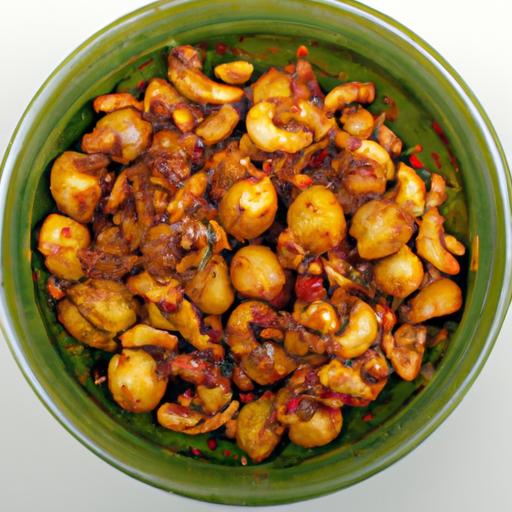
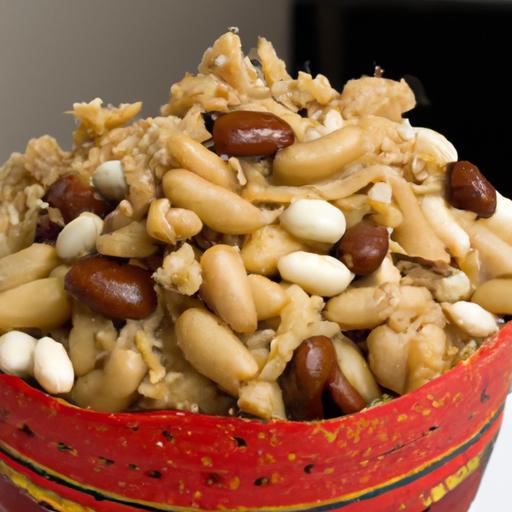
Nestled within teh vibrant culinary tapestry of West Africa lies a crunchy treasure that has delighted taste buds for generations: Kuli-kuli. Hailing from Benin, this irresistible peanut snack is more than just a simple treat-it’s a flavorful emblem of culture, tradition, and community. With its golden-brown crispiness and rich nutty aroma, Kuli-Kuli offers a savory crunch that tells a story of sun-soaked fields, time-honored recipes, and the artistry of local hands. Journey with us as we unravel the origins, preparation, and cultural significance of Benin’s beloved peanut delight, and discover why Kuli-Kuli remains a crunchy ambassador of West African heritage.
Kuli-Kuli, a traditional crunchy peanut delight from Benin, is more than just a snack-it’s a symbol of cultural heritage and culinary artistry. Rooted deeply in West African history, this irresistible treat showcases the ingenuity of local food traditions and the significance of peanuts as a staple crop.Its hearty crunch and rich flavor make it a beloved accompaniment to various meals, offering an authentic taste of Beninese life that has been passed down through generations.
Prep and Cook Time
- Preparation: 20 minutes
- Cooking: 30 minutes
- Total: 50 minutes
Yield
Approximately 20 servings of crunchy Kuli-Kuli snacks
Difficulty Level
Medium – requires attention to temperature and texture during frying
Ingredients
- 2 cups raw peanuts, unshelled and skin removed
- 1 tsp salt
- 1 tsp cayenne pepper (optional, for subtle heat)
- 1 tbsp palm oil or vegetable oil
- Water (enough for grinding and dough consistency)
- vegetable oil (for deep frying)
Instructions
- Roast the peanuts: Spread the peanuts on a baking sheet and roast at 350°F (175°C) for 10-15 minutes, shaking occasionally, until aromatic and lightly golden. Let them cool.
- grind the peanuts: Using a food processor or traditional mortar and pestle, grind the roasted peanuts into a coarse, oily paste. Add a tablespoon of palm oil to bind the mixture and enhance flavor.
- Add seasoning: Mix in salt and cayenne pepper, adjusting heat to taste.
- Form the dough: Gradually add water, stirring until the peanut paste thickens into a firm, moldable dough that doesn’t crumble.
- Shape the Kuli-Kuli: Pinch off small portions and roll into balls or elongated shapes about 1 inch thick. Flatten slightly for even frying.
- Heat oil: Warm vegetable oil in a deep pan to 350°F (175°C). Test by dropping a small dough piece; it should bubble and rise promptly.
- Fry: Carefully add Kuli-Kuli pieces in batches, frying until golden brown and crisp, about 5-7 minutes. Stir gently to prevent sticking and burn.
- Drain: Remove with a slotted spoon, placing them on paper towels to absorb excess oil.
- Cool: Let the snacks cool fully to develop their famous crunchiness.
Tips for Success
- Roasting peanuts properly boosts flavor; avoid burning by stirring frequently.
- Adjust water carefully when forming the dough-a little to wet, and the kuli-Kuli will be soggy; too dry, and they’ll crumble.
- Use a thermometer for frying oil to maintain consistent temperature and prevent greasiness.
- Experiment with spices by adding smoked paprika or ginger powder for a unique twist.
- Make ahead: Kuli-Kuli keeps well in an airtight container for up to two weeks, maintaining its crunch.
Flavor Profiles and nutritional Benefits of Kuli-Kuli Snacks
The beauty of this crunchy peanut delight lies in its harmonious balance of nutty richness and smoky undertones from roasting. The subtle heat from cayenne pepper enlivens the palate without overpowering the natural earthiness.Nutritionally, Kuli-kuli is a powerhouse: high in protein, healthy fats, and antioxidants thanks to the peanuts.It’s an excellent source of energy that sustains throughout the day, embodying both flavour and wholesome nourishment.
Pairing Kuli-Kuli with Local Dishes for an Authentic Beninese Experience
Kuli-Kuli pairs spectacularly with classic Beninese staples such as pâte (fermented corn paste) or akassa, complementing the softness of these dishes with its crisp texture. It’s also commonly crushed over sauces or soups like peanut stew, adding an irresistible crunch and enhancing the dish’s depth. For a simple snack, enjoy Kuli-Kuli with chilled freshly-squeezed fruit juices or traditional millet beer, integrating local flavors authentically.
| Nutrient | Per serving (≈ 30g) |
|---|---|
| Calories | 160 kcal |
| Protein | 6 g |
| Carbohydrates | 5 g |
| Fat | 14 g |

For a deeper dive into West African culinary delights, explore our article on Traditional West African Peanut Stew. To learn about the global importance of peanuts and their health benefits, visit the National Institutes of Health.
Q&A
Q&A: Kuli-Kuli – Discover Benin’s Crunchy Peanut Delight
Q1: What exactly is Kuli-Kuli?
A1: Kuli-Kuli is a crunchy,golden-brown snack made primarily from roasted peanuts. Originating from Benin and popular across West Africa, it is a savory treat packed with nutty flavor and a satisfyingly crisp texture. think of it as the peanut’s bold, flavorful cousin that’s perfect for munching anytime!
Q2: How is Kuli-Kuli made?
A2: The process begins with roasting peanuts until they’re perfectly fragrant. The peanuts are then ground into a paste,mixed with spices and sometimes a pinch of salt or chili for a kick. This mixture is cooked and shaped into sticks, balls, or nuggets before being deep-fried to achieve that irresistible crunch. The result? A snack that’s both hearty and full of character.
Q3: Why is Kuli-kuli so critically important in Benin?
A3: Beyond being a beloved snack, Kuli-Kuli holds cultural and economic significance. It’s a staple in Beninese households and a source of income for many women who produce and sell it locally. It embodies tradition, community spirit, and the rich agricultural heritage of the region’s peanut farming.
Q4: Can Kuli-Kuli be incorporated into meals or recipes?
A4: Absolutely! While delicious on its own, Kuli-Kuli also doubles as a flavorful garnish or ingredient. It’s often crumbled over salads, stews, or rice dishes to add texture and depth. Some creative chefs even use it as a crunchy coating for fried foods or a base for savory sandwiches. The possibilities are as plentiful as its crunch!
Q5: Where can I try or buy authentic Kuli-Kuli?
A5: If traveling to Benin or other West African countries, you’ll find it at markets, street stalls, and local shops-a delightful snack widely enjoyed by locals. Internationally, look for African or specialty food stores, or try making it at home using recipes inspired by Beninese traditions. Homemade Kuli-Kuli lets you tweak the flavors to your liking and bring a taste of Benin into your kitchen.
Q6: Is Kuli-Kuli healthy?
A6: Made primarily from peanuts, kuli-Kuli is rich in protein, healthy fats, and essential nutrients like vitamin E and magnesium. However, since it’s deep-fried, it should be enjoyed in moderation. When eaten as part of a balanced diet, it’s a nourishing snack that offers both flavor and fuel.
Q7: what makes Kuli-Kuli different from other peanut snacks worldwide?
A7: While many cultures enjoy peanuts in various forms, Kuli-Kuli’s unique preparation-with roasted, spiced peanut paste shaped and deep-fried-creates a distinct texture and flavor profile.It’s not just about the peanuts; it’s about the blend of tradition, spice, and method that transforms humble peanuts into a crunchy cultural icon.
Q8: Can I experiment with flavors in Kuli-kuli?
A8: Definitely! Traditional recipes often include simple seasonings, but modern variations might incorporate garlic, ginger, cayenne pepper, or even a touch of sweetness like honey. Whether you prefer it mild or fiery, Kuli-Kuli invites playful creativity while honoring its roots.
Embrace the crunch, savor the spice, and discover the heart of Benin through every bite of Kuli-Kuli!
in Retrospect
from the bustling markets of Benin to tables around the world, Kuli-Kuli stands as more than just a crunchy peanut snack-it’s a flavorful testament to tradition, community, and culinary ingenuity. Whether enjoyed as a midday nibble or sprinkled over your favorite dishes, this golden treat offers a taste of Benin’s rich heritage in every bite. So next time you crave something with a satisfying crunch and a story as rich as its flavor, let Kuli-Kuli take you on a delicious journey straight to the heart of West Africa.