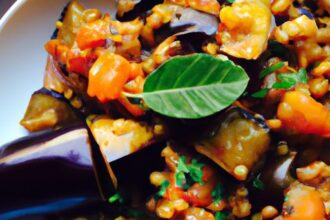
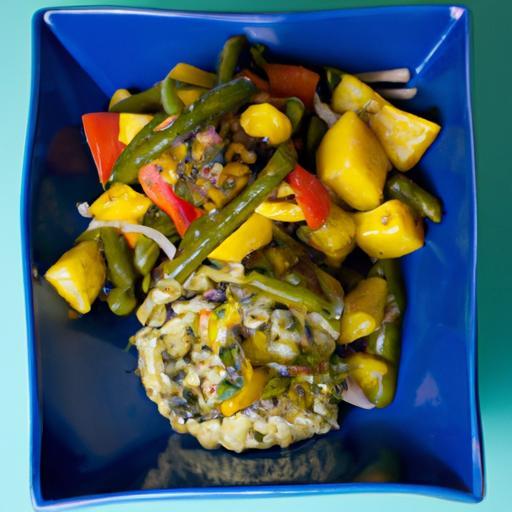
Embarking on a culinary journey becomes effortless with Beginner-Friendly Cookbooks, your perfect gateway into the rich and flavorful world of East African cuisine. Instead of traveling across continents, Beginner-Friendly Cookbooks allow you to explore the tastes, aromas, and textures of Kenya, Tanzania, Uganda, and beyond—right from your own kitchen. Each of these Beginner-Friendly Cookbooks transforms complex regional recipes into simple, delicious creations, guiding you step by step through the art of authentic East African cooking. Whether you’re a curious foodie or a new cook, Beginner-Friendly Cookbooks make the experience fun, approachable, and deeply satisfying.
East African cuisine thrives on harmony—bold spices, earthy grains, and soulful stews—and Beginner-Friendly Cookbooks capture that essence beautifully. Through their detailed instructions and vibrant imagery, Beginner-Friendly Cookbooks teach you to prepare traditional favorites like Kenyan Sukuma Wiki, Tanzanian Pilau, and Ugandan Rolex with confidence. Each page of these Beginner-Friendly Cookbooks introduces you to a new story, a new flavor, and a deeper appreciation for the culinary traditions that define this diverse region.
For anyone seeking to expand their palate, Beginner-Friendly Cookbooks are not just recipe collections—they’re cultural journeys. They connect you with the heart of East African kitchens, where meals are crafted with love and shared in community. With Beginner-Friendly Cookbooks, even novice cooks can recreate the magic of African hospitality and savor dishes bursting with authenticity. The beauty of Beginner-Friendly Cookbooks lies in their simplicity: no matter your skill level, they help you master techniques, balance spices, and celebrate flavors that warm the soul.
In the end, Beginner-Friendly Cookbooks open more than just a door to cooking—they open a window to culture, connection, and creativity. Embrace the spirit of discovery and let Beginner-Friendly Cookbooks guide you through an unforgettable culinary adventure filled with the vibrant flavors of East Africa.
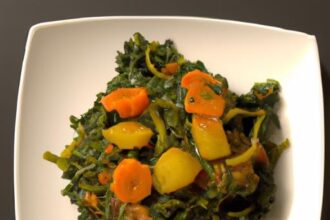
Discover East African Flavors: Beginner-Friendly Cookbooks open the door to a vibrant culinary world where rich spices, fresh ingredients, and hearty customary dishes create a symphony of taste. One iconic recipe that perfectly embodies this heritage is Kenyan Sukuma Wiki, a beloved collard greens dish that’s both comforting and bursting with aroma. This simple yet soul-satisfying meal has graced many family tables across East Africa and offers an approachable starting point for anyone eager to master these exquisite flavors at home.
Prep and Cook Time
Planning: 10 minutes
Cooking: 15 minutes
Total: 25 minutes
Yield
Serves 4 generous portions
Difficulty Level
Easy – Perfect for beginners discovering East African flavors
Ingredients
- 1 bunch of collard greens (Sukuma Wiki), washed and finely chopped
- 2 tablespoons vegetable oil (sunflower or canola work well)
- 1 medium onion, finely diced
- 2 ripe tomatoes, chopped
- 2 cloves garlic, minced
- 1 teaspoon grated fresh ginger
- 1/2 teaspoon ground turmeric
- 1/2 teaspoon ground coriander
- salt and freshly ground black pepper, to taste
- Juice of half a lemon (optional, for brightness)
- Water, as needed for sautéing
Instructions
- Prepare the greens: Rinse the collard greens thoroughly and chop into thin strips to ensure even cooking and a tender bite.
- Sauté the aromatics: Heat the vegetable oil in a large skillet over medium heat. Add the diced onion and cook until translucent,about 5 minutes,stirring occasionally to avoid browning.
- Add garlic and ginger: Stir in the minced garlic and grated ginger, cooking until fragrant, roughly 1 minute-this step releases the warm, earthy base essential to East African flavors.
- Incorporate spices: Sprinkle in the turmeric and coriander, stirring for 30 seconds to toast the spices gently and awaken their aroma.
- Cook tomatoes: Add the chopped tomatoes and cook until softened and saucy, about 5 minutes, stirring gently to blend flavors.
- Add collard greens: Toss the chopped greens into the pan, stirring continually. If the mixture seems dry, add 2-3 tablespoons of water and cover for 3-4 minutes to help the greens wilt without burning.
- Season and finish: Remove the lid,stir well,season with salt and black pepper to taste,and cook for 2-3 more minutes uncovered. Squeeze the lemon juice over the greens for a fresh, zesty lift before serving.
Chef’s Notes
- Substitutions: If you can’t find collard greens, kale or spinach work beautifully as alternatives.
- Make-ahead tip: This dish keeps well refrigerated for up to 2 days and can be reheated gently with a splash of water to retain moisture.
- Flavour variations: For a spicier twist,add a pinch of red chili flakes with the spices or serve with a dollop of East African-style hot sauce (called pili pili).
- Serving size: Adjust quantities to serve more guests but ensure to cook greens just until tender to preserve their vibrant color and nutrients.
Serving Suggestions
Enjoy your Sukuma Wiki alongside ugali (a stiff maize flour porridge), steaming hot injera, or fragrant rice pilaf to soak up the delicious, spiced juices. Garnish with fresh cilantro or a wedge of lime for an added burst of freshness. A side of lentil stew or grilled meats will round out this wholesome meal perfectly, making it a true festivity of East African culinary heritage.

| Nutrient | Per Serving |
|---|---|
| Calories | 120 kcal |
| Protein | 4 g |
| Carbohydrates | 10 g |
| Fat | 8 g |
Essential Ingredients That Bring East African Dishes to Life
Exploring East African flavors demands an arsenal of aromatic spices such as turmeric, coriander, and cumin, alongside staples like collard greens, millet, and maize flour. Partnerships between fresh herbs and slow-cooked stews lend these dishes their signature depth. Familiarizing yourself with these ingredients elevates every recipe, helping you recreate the tantalizing warmth of authentic kitchens.
Top Beginner-friendly Cookbooks to Start Your Culinary Journey
For those embarking on this delicious adventure,some excellent beginner-friendly cookbooks are invaluable. Titles such as “East African Kitchen” by Diana Wanjiru or “Flavors of Africa” by Tami Manzi offer step-by-step recipes paired with cultural insights,seamlessly blending tradition with kitchen practicality.these resources will nurture your confidence and creativity as you discover East African flavors.
Tips and Techniques for Mastering East African Flavors at Home
When cooking East African dishes, balance is the key. Toast spices just until fragrant to unlock deep notes without bitterness. Slow simmering releases the soul of each ingredient, while layering fresh and preserved acidity, like tamarind or lemon juice, brightens the overall palate. Lastly,embracing communal dining elevates the experience-these meals were designed to be shared,celebrated,and savored together.
Ready to expand your culinary skills? Dive into this article on basic African cooking techniques to enhance your flavor profile. also, learn more about East African cuisine’s rich history on Britannica.
Q&A
Q&A: Discover East African Flavors with Beginner-Friendly Cookbooks
Q1: What makes East African cuisine unique and worth exploring?
A1: east African cuisine is a vibrant tapestry woven from diverse cultures,climates,and histories. From the aromatic spices of Ethiopia’s berbere to the coastal Swahili’s fresh coconut-infused dishes,it’s a flavor journey that balances bold,comforting,and exotic tastes. Exploring these dishes invites you into a world where every bite tells a story of tradition, trade routes, and cultural celebrations.
Q2: I’m new to cooking East African food. Are there cookbooks designed specifically for beginners?
A2: Absolutely! Several cookbooks are tailored to those new to East African cooking, breaking down recipes into easy-to-follow steps while introducing fundamental ingredients and cooking techniques. These beginner-friendly guides often include helpful tips on sourcing spices, substitutions, and cultural context, making the cooking experience both educational and enjoyable.
Q3: Which East African cookbooks are recommended for beginners?
A3: Some standout options include “The Lion’s Kitchen: Cooking East African Flavors at Home” by Amina Yusuf, which offers approachable recipes with vibrant photos and cultural anecdotes. Another favourite is “Taste of Tanzania: Simple East African Dishes to Start Your culinary Journey” by Michael Njoroge, known for clear instructions and familiar ingredients. These books emphasize accessibility without sacrificing authenticity.
Q4: what staples of East African cuisine should a beginner expect to find in these cookbooks?
A4: Expect to encounter staples like injera (ethiopian sourdough flatbread), ugali (a maize-based staple), lentil stews, spiced rice pilafs, and nyama choma (grilled meats). Key spices and ingredients include berbere, cardamom, cinnamon, turmeric, coconut milk, and fresh herbs. Many recipes focus on one-pot meals and slow-cooked dishes that are forgiving and perfect for newcomers.
Q5: how do these cookbooks help bridge cultural understanding along with cooking?
A5: These cookbooks don’t just deliver recipes; they serve as cultural ambassadors. Through storytelling, historical notes, and insights into traditional cooking methods, they invite readers to appreciate the rich heritage behind each dish. It’s a culinary exploration that nourishes both the body and the mind.
Q6: Can I find East African ingredients easily, or do these cookbooks suggest substitutions?
A6: Recognizing that some spices and ingredients may be unfamiliar or hard to find, many beginner-friendly cookbooks offer practical substitutions and advice on where to shop-be it specialty markets or online stores. They encourage creativity without compromising the essence of the dishes.
Q7: How can cooking East African food enrich my everyday meals?
A7: Incorporating East African flavors adds depth, warmth, and excitement to your routine cooking. The cuisine encourages the use of wholesome grains, legumes, and vibrant spices, promoting balanced and flavorful meals. Plus, learning new cooking techniques can expand your culinary repertoire and inspire adventurous dining at home.
Q8: Where should I start if I wont to host an East African-themed dinner using these cookbooks?
A8: begin with a simple menu-perhaps a fragrant lentil stew paired with injera or chapati and a fresh kachumbari (tomato and onion salad). Many beginner cookbooks include meal plans and serving suggestions to help create an immersive dining experience. Don’t forget to complement the meal with traditional drinks like spiced chai or fresh hibiscus tea.
Q9: What’s the best way to immerse myself in East African cooking culture beyond the cookbooks?
A9: Engage with community cooking classes, watch documentaries, or connect with East African food bloggers and chefs online. Pair these resources with your cookbook exploration to deepen your appreciation and skills. Sharing your creations with friends and family can also spark conversations and cultural exchange.
Q10: Any final tips for a beginner eager to discover East African flavors?
A10: Start with an open mind and patience-flavors may be new, but they’re deeply rewarding. Don’t be intimidated by unfamiliar ingredients; embrace the learning process. Most importantly, enjoy the journey of tasting and creating dishes that honor a rich and diverse culinary heritage. Happy cooking!
In Summary
Embarking on a culinary journey through East Africa need not be daunting-especially when guided by beginner-friendly cookbooks that unlock the region’s vibrant flavors and rich traditions. Whether it’s the fragrant spices of Ethiopian berbere, the creamy sweetness of Ugandan matoke, or the coastal zest of Kenyan pilau, these accessible recipe collections invite you to explore and celebrate East African cuisine from your own kitchen. So, grab your apron and a sense of adventure-each page turned is a step closer to savoring the warmth, diversity, and soul of east African flavors. Happy cooking!