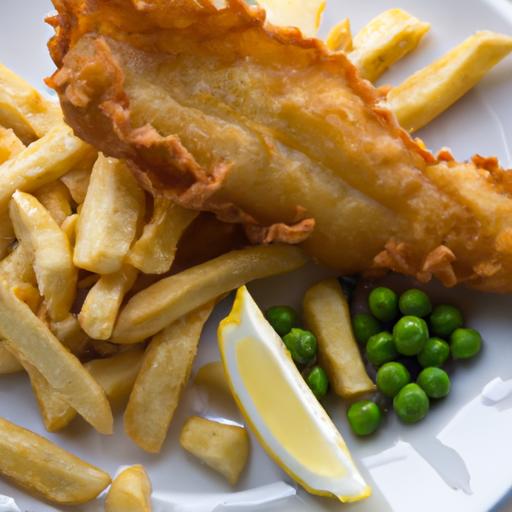
There’s something undeniably magical about biting into a perfectly golden, crispy piece of British fish and chips-the delicate crunch gives way to flaky, tender fish wrapped in a warm, comforting embrace of thick-cut chips.This iconic dish, steeped in tradition and seaside nostalgia, has stood the test of time as a beloved culinary classic across the UK and beyond. In “Crispy Classics: Mastering the Ultimate British Fish and Chips,” we’ll dive deep into the art and science behind crafting the quintessential fish and chips experience-from selecting the freshest catch to achieving that flawless, crunchy batter. Whether you’re a seasoned cook or a curious foodie, prepare to unlock the secrets that turn simple ingredients into a timeless feast fit for a king-or simply a rainy afternoon craving.
crispy Classics: Mastering the ultimate British Fish and Chips
When it comes to British comfort food, few dishes evoke nostalgia and joy quite like fish and chips. This culinary masterpiece balances flaky, fresh fish with an irresistibly crispy batter and golden fries, creating a harmony of texture and flavor that’s simply unmatched. In this guide, you’ll learn how to choose the perfect fish for flaky texture and fresh flavor, craft the ideal batter for unrivaled crispiness, master the double fry technique for a picture-perfect crunch, and select conventional sides and sauces to elevate your plate-turning your kitchen into a classic British chippy.
Prep and Cook Time
- Preparation: 20 minutes
- Marinating/Resting Batter: 30 minutes
- cooking: 25 minutes
- Total Time: Approximately 1 hour 15 minutes
Yield
- Serves 4 generous portions
Difficulty Level
- Medium – perfect for confident beginners looking to elevate their frying skills
Ingredients
- For the Fish:
- 4 fillets of cod or haddock (about 6 oz each), skin removed
- 1 cup all-purpose flour, sifted (for dusting)
- 1 tsp sea salt
- 1 tsp freshly ground black pepper
- For the Batter:
- 1 cup all-purpose flour, sifted
- 1/4 cup cornstarch
- 1 tsp baking powder
- 1 tsp sea salt
- 1 tsp white vinegar
- 1 cup ice-cold sparkling water (or beer for deeper flavor)
- for the Chips:
- 4 large Maris piper potatoes or Russet potatoes, peeled and cut into thick chips
- Vegetable oil, for deep frying (about 4 cups)
- Sea salt, for seasoning
- Traditional Sides & sauces:
- Malt vinegar
- Tartar sauce
- Fresh lemon wedges
- Pea puree or mushy peas (optional)
Instructions
- Prepare the Chips: Rinse the cut potatoes under cold water to remove excess starch. Soak them for at least 30 minutes, then pat dry thoroughly using kitchen towels to ensure crispiness.
- First Fry – Blanch the Chips: Heat vegetable oil in a deep fryer or large heavy-bottomed pot to 320°F (160°C). Fry the chips in batches for 4-5 minutes until they are soft but not browned. remove and drain on paper towels.
- Dust the Fish: Pat the fish fillets dry. Lightly season with sea salt and black pepper, then dust them with sifted flour; this helps the batter cling perfectly.
- Make the batter: In a bowl,whisk together flour,cornstarch,baking powder,and sea salt. Stir in the white vinegar. Gradually pour in the ice-cold sparkling water,stirring gently until smooth but still slightly lumpy-this texture traps bubbles for an airy crust.Keep the batter cold while you heat the oil to 350°F (175°C).
- Second Fry – Crisp the Chips: Raise oil temperature to 350°F (175°C).Fry the blanched chips again for 2-3 minutes until golden and crispy. Drain and season promptly with sea salt.
- Fry the Fish: Dip each fillet into the batter, allowing excess to drip off.Gently lower into the hot oil and fry for 5-7 minutes or until the batter is a beautiful golden brown and the fish flakes easily with a fork. Avoid overcrowding to maintain oil temperature and crispness.
- Drain and Serve: Remove fish and place on a wire rack or kitchen paper to drain excess oil. Serve immediately with your crispy chips and traditional sides.
Tips for Success
- Fish selection: freshness is key! Choose sustainably sourced cod or haddock for classic flavor and optimal flakiness. Thick fillets hold up to deep frying best.
- Batter magic: Keep the batter ice-cold and avoid over-mixing for that signature light,bubbly texture.Substitute beer for sparkling water if you want a maltier, richer flavor.
- Oil temperature: Accurate temperature control ensures a crisp exterior without greasy sogginess. A thermometer is your best friend here.
- Double fry technique: This method is essential for perfect chip texture-soft inside with a crackly outer shell.
- Make ahead: Par-cook chips and refrigerate.When ready, fry twice to finish. Avoid battering fish in advance for the crispiest results.
Serving Suggestions
present your fish and chips on a rustic wooden board or classic newspaper wrap (for an authentic vibe). Garnish the fish with fresh lemon wedges and scatter chopped parsley for a pop of green. Offer a variety of dipping sauces such as tangy malt vinegar drizzled over chips,creamy tartar sauce,and vibrant mushy peas on the side.Accompany this hearty meal with a chilled pint of British ale or sparkling lemonade for a perfect pairing.

| Nutrient | Per Serving |
|---|---|
| Calories | 680 kcal |
| Protein | 38 g |
| Carbohydrates | 62 g |
| Fat | 28 g |
For more traditional British recipes, check out this guide to Bangers and Mash. To understand more about sustainable seafood choices, visit the Marine Stewardship Council.
Q&A
Q&A: Crispy Classics – Mastering the Ultimate British Fish and Chips
Q1: What makes British fish and chips so iconic?
A1: Fish and chips are more than just a meal-they’re a cherished symbol of British culture and culinary heritage. The magic lies in the perfect harmony of crispy,golden beer-battered fish paired with fluffy,steaming chips. It’s a simple yet satisfying combination that has warmed British hearts and stomachs since the 19th century.
Q2: Which type of fish is traditionally used in fish and chips?
A2: The classic choice is flaky white fish such as cod or haddock. Cod offers a mild flavor and flaky texture, while haddock adds a slightly smoky, richer taste. Both are excellent for absorbing the beer batter’s crispiness while remaining tender inside.
Q3: What’s the secret to achieving that legendary crispy batter?
A3: The key is a light, bubbly batter made with cold beer or sparkling water, and an impeccable frying technique. Keeping the batter cold slows gluten development, resulting in a lighter crust. The oil temperature must be just right-usually around 180°C (350°F)-to create that irresistible crunch without absorbing excess oil.
Q4: How do you make perfectly fluffy chips to accompany the fish?
A4: For chips, it’s all about the double-fry method. Start by cutting thick, even potato strips and parboiling them briefly. Fry them once at a lower temperature to cook through, then let them rest. A second fry at a higher temperature crisps up the exterior while keeping the inside soft and fluffy-a match made in heaven for the crispy fish.
Q5: Are there traditional accompaniments that complete the fish and chips experience?
A5: Absolutely! Classic accompaniments include a generous splash of malt vinegar over the chips, a dollop of mushy peas, and a wedge of lemon to brighten the fish. tartare sauce or curry sauce also often makes an appearance for those craving extra flavor.
Q6: Can fish and chips be made healthier without sacrificing taste?
A6: While traditional fish and chips are indulgent, you can lighten the dish by baking the chips or using an air fryer. Opting for fresh, sustainably sourced fish and controlling oil quantities also helps. Remember, balance is key-sometiems the joy is in savoring the original, crispy indulgence.
Q7: What’s a common mistake to avoid when making fish and chips at home?
A7: One big pitfall is overcrowding the fryer or pan. Overcrowding lowers the oil temperature,resulting in soggy batter and limp chips. Fry in batches for that perfectly crisp finish and don’t rush the cooling stages for the best results.
Q8: How can a beginner start mastering this British classic?
A8: Start with sourcing good quality fresh fish and the right potatoes. Experiment with simple beer batter recipes and practice your frying technique. Patience is essential-mastering crispy fish and chips is a flavorful journey worth every crunchy bite.
Ready to bring a piece of Britain to your kitchen? With these tips and insights, your homemade fish and chips will be crispy classics that celebrate tradition and taste.
Concluding Remarks
As you hang up your apron and set aside your tasting plate, remember that mastering the ultimate British fish and chips is more than a recipe-it’s a festivity of tradition, texture, and timeless flavors. From the golden, crackling batter to the flaky, tender fish inside, each bite carries a story steeped in coastal charm and culinary craftsmanship. Whether you’re a seasoned chef or a passionate home cook, embracing these crispy classics invites you to connect with a beloved heritage and savor a dish that’s as comforting as it is iconic. So next time the craving strikes, dive in with confidence-and let your fish and chips be the crispy masterpiece that brings a little piece of Britain right to your table.