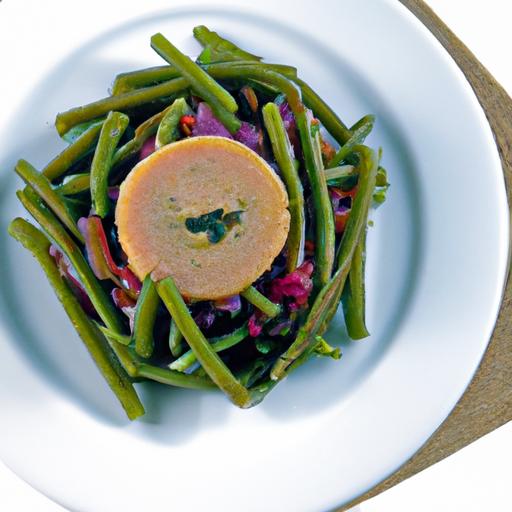
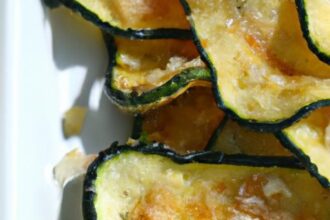
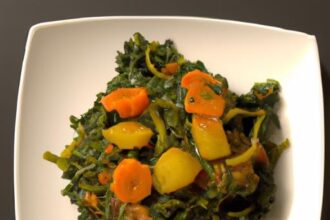
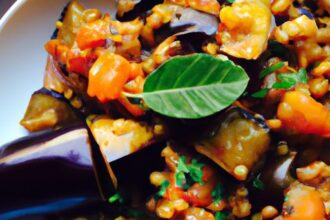
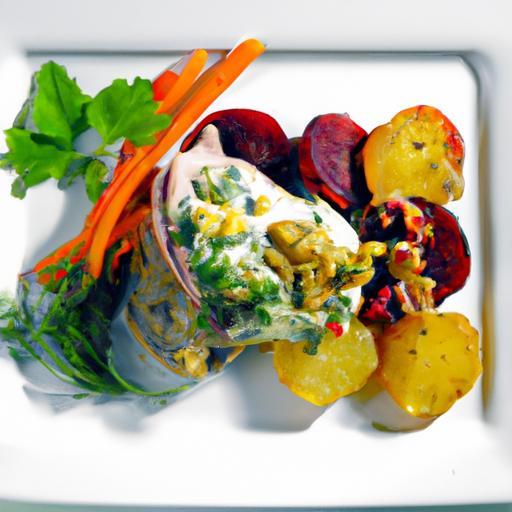
Healthy European Cooking is a celebration of tradition, flavor, and wellness that transcends borders. Across Europe’s diverse landscapes, Healthy European Cooking unites centuries-old recipes and modern approaches that prioritize nourishment and taste. From the sunlit olive groves of the Mediterranean to the snow-dusted Alps, Healthy European Cooking reflects the heart of culture and balance. It’s more than just preparing food — Healthy European Cooking embodies a philosophy of mindful eating, where every ingredient contributes to vitality and joy.
In this flavorful journey, Healthy European Cooking invites you to rediscover simplicity and freshness. Each dish tells a story of generations that valued authenticity, using herbs, grains, and seasonal produce to craft meals full of character. Whether it’s a rustic French stew, an Italian vegetable medley, or a Greek salad kissed with olive oil, Healthy European Cooking transforms classic techniques into vibrant wellness experiences.
Healthy European Cooking thrives on contrast — the earthy richness of roasted root vegetables meeting the brightness of citrus, or the gentle warmth of herbal broths balancing the crispness of raw greens. Through Healthy European Cooking, the art of nourishment becomes effortless, blending harmony and indulgence on every plate.
Savor the Flavor of the Mediterranean through Healthy European Cooking, where vibrant colors, pure ingredients, and ancient wisdom come together in perfect balance. Inspired by coastal kitchens and village hearths, Healthy European Cooking brings light, vitality, and joy to your table — one delicious recipe at a time.
Prep and Cook Time
- Planning: 20 minutes
- Cooking: 35 minutes
- Total Time: 55 minutes
Yield
serves 4 generous portions
Difficulty Level
Medium - Perfect for adventurous home cooks eager to explore classic flavors with a healthy twist
Ingredients
- 2 cups cooked whole-grain farro or quinoa
- 1 medium eggplant, diced into 1-inch cubes
- 1 large red bell pepper, chopped
- 3 tbsp extra virgin olive oil
- 1 medium red onion, finely chopped
- 3 cloves garlic, minced
- 1 cup cherry tomatoes, halved
- 1/2 cup kalamata olives, pitted and sliced
- 1 tbsp capers, rinsed
- 1/4 cup fresh flat-leaf parsley, chopped
- 2 tbsp fresh oregano, chopped
- 1 tsp smoked paprika
- 1/2 tsp ground cumin
- Salt and freshly ground black pepper to taste
- Juice of 1 lemon
- Optional: crumbled feta cheese or toasted pine nuts for garnish
Instructions
- Roast the Vegetables: Preheat your oven to 400°F (200°C). Toss the diced eggplant and red bell pepper with 1 tablespoon of olive oil, salt, and pepper. Spread them evenly on a baking tray lined with parchment paper. Roast for 20 minutes, turning halfway, until golden and tender.
- Prepare the Base: While the vegetables roast, heat the remaining 2 tablespoons of olive oil in a large skillet over medium heat. Add the chopped onion and sauté until translucent, about 5 minutes.
- Add Aromatics: stir in minced garlic, smoked paprika, and cumin. Cook for an additional 1-2 minutes, allowing the spices to bloom and release their flavor.
- Combine Ingredients: Stir in halved cherry tomatoes, kalamata olives, and capers. Cook for 5 minutes, stirring occasionally until tomatoes soften and meld with the spices.
- Incorporate Grains: add the cooked farro or quinoa to the skillet. Fold in the roasted eggplant and peppers carefully, mixing until all ingredients are well combined and heated through.
- Finish with Freshness: Remove from the heat.Stir in fresh parsley, oregano, and squeeze lemon juice over the mixture.Adjust seasoning with additional salt and pepper to taste.
- Plate and garnish: Serve warm topped with optional crumbled feta or toasted pine nuts for added texture and flavor contrast. A drizzle of extra virgin olive oil on top brightens the dish further.
Tips for Success
- Substitutions: Swap farro or quinoa with couscous or bulgur if desired for varying textures.
- Make Ahead: This recipe tastes even better after resting for a few hours or overnight in the fridge, as flavors meld beautifully.
- Vegetable Variations: Add zucchini, mushrooms, or artichoke hearts for extra vibrancy and nutrition.
- Keeping it Vegan: Simply omit the feta garnish and incorporate toasted nuts or seeds to maintain a satisfying crunch.
- Prevent Soggy Veggies: Roast vegetables on a single layer for best caramelization and texture.
Serving Suggestions
This dish shines when served alongside a crisp green salad dressed with lemon vinaigrette, or paired with warm, crusty whole-grain bread for a complete Mediterranean-inspired feast. garnish each bowl with a sprinkle of fresh herbs and a wedge of lemon for an inviting presentation that beckons to be savored.

| Nutrient | Per Serving |
|---|---|
| Calories | 380 kcal |
| Protein | 12 g |
| Carbohydrates | 45 g |
| Fat | 14 g |
Discover more nourishing European recipes in our Healthy European Recipes collection. For detailed nutritional insights, visit the Academy of Nutrition and Dietetics.
Q&A
Q&A: Savor the Flavor – A Guide to Healthy European Cooking
Q1: What makes European cooking a great choice for healthy eating?
A1: European cuisine is a delightful tapestry woven from fresh, seasonal ingredients, vibrant herbs, and time-honored cooking methods. It emphasizes whole foods-think olive oil from the Mediterranean, hearty grains from Northern Europe, and an abundance of vegetables-making it both nourishing and flavorful. The balance between indulgence and wellness in European cooking is what makes it a perfect fit for those looking to savor every bite without guilt.
Q2: Which European countries are known for especially healthy dishes?
A2: Italy and Greece often top the list with their Mediterranean diets, rich in olive oil, fish, legumes, and fresh produce. france surprises many with its focus on portion control and fresh ingredients like market vegetables and lean proteins. Nordic countries-Denmark, Sweden, Norway-boast dishes featuring whole grains, fatty fish, and root vegetables, promoting heart health and sustainability.
Q3: How can I incorporate European cooking techniques into my daily meals?
A3: Start by embracing simplicity: steam, roast, and grill rather than fry. Experiment with herbs like rosemary,thyme,dill,and basil to enhance flavor without extra salt or fat. Use olive oil as your go-to fat source, and include more legumes and whole grains. Try a Provençal ratatouille, a spicy Spanish gazpacho, or a comforting Italian minestrone-all easy to prepare and packed with nutrients.
Q4: Is it possible to enjoy traditional European dishes without compromising on health?
A4: Absolutely! Many classic recipes can be adapted with healthier twists-swap cream for yogurt in sauces,choose whole-grain pasta,or grill rather than fry. Traditional dishes are often already balanced if enjoyed in moderation. The key lies in mindful portion sizes and using fresh, wholesome ingredients to preserve authentic flavors while boosting nutrition.
Q5: What are some pantry essentials for cooking healthy European meals at home?
A5: Stock your kitchen with olive oil, a variety of whole grains (like farro, barley, and brown rice), canned beans, canned tomatoes, fresh garlic, onions, and a vibrant collection of herbs. Don’t forget nuts, seeds, lemon, and a selection of seasonal vegetables and fruits.these essentials will empower you to craft everything from a simple Greek salad to a hearty Scandinavian stew.
Q6: Can European cooking support specific dietary needs like gluten-free or vegetarian diets?
A6: Yes! The diversity across European countries offers plenty of options. For gluten-free diets, focus on naturally gluten-free grains like buckwheat (popular in Eastern Europe) and cornmeal. Vegetarian dishes abound-from Spanish vegetable paella to Italian caponata and French ratatouille-showcasing robust flavors without meat. European cuisine’s plant-forward nature makes it adaptable and inclusive for many dietary preferences.
Q7: How does embracing European cooking affect one’s lifestyle beyond the kitchen?
A7: European culinary traditions often come with an inherent mindfulness-slow meals, shared dining, and respect for seasonal rhythms. By adopting these habits, you nurture not onyl your body but also your connection to food and community, fostering a balanced and joyful approach to eating.Healthy european cooking becomes less about restriction and more about savoring the richness of life.
Whether you’re simmering a fragrant Tuscan soup or nibbling fresh Nordic berries, embracing the flavors of Europe can transform your health and your palate. Enjoy the journey-buon appetito, bon appétit, and hyvää ruokahalua!
in summary
As you embark on your culinary journey through the vibrant landscapes of Europe, remember that healthy cooking is not just about ingredients-it’s about embracing traditions, savoring simple flavors, and nourishing both body and soul. From the sun-kissed olive groves of the Mediterranean to the robust, hearty stews of the northern reaches, European cuisine offers a tapestry of wholesome options that prove healthy eating can be rich, satisfying, and delightfully diverse. So next time you prepare a meal,let the spirit of Europe inspire you to create dishes that are as good for your health as they are for your taste buds. After all, savoring flavor is the first step toward a healthier, happier you.