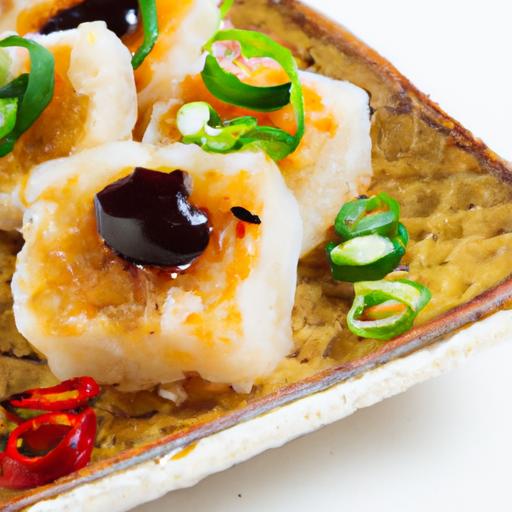
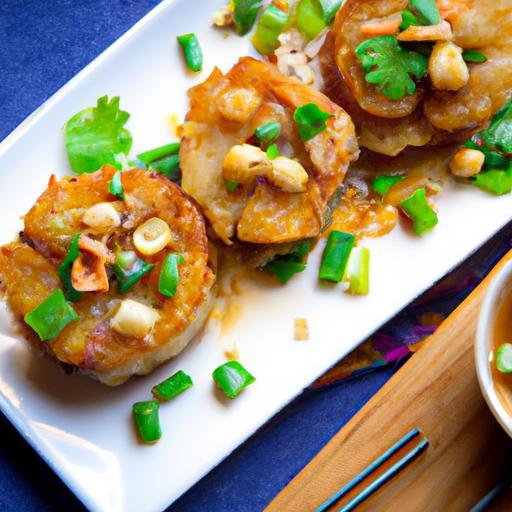
in the vibrant tapestry of Cantonese cuisine, few dishes capture the heart and heritage of dim sum quite like Turnip Cake, or Luo Bo Gao. Often spotted steaming in bamboo baskets at bustling tea houses,this unassuming savory treat is a true testament to culinary ingenuity-transforming humble ingredients into a feast of textures and flavors. Far from your typical cake, Luo Bo Gao combines shredded radish, rice flour, and an array of aromatic additions into a luscious, golden-brown delicacy that delights both the palate and the soul. Join us as we unravel the history, preparation, and cultural importance of Turnip Cake, inviting you to savor every bite of this beloved dim sum classic.
Turnip Cake (Luo Bo Gao) is a cherished cantonese dim sum classic that brings together humble ingredients to create a uniquely savory and textured delight. Its origins trace back centuries in Southern China, where this steamed rice cake became a festive staple, especially during Lunar New Year celebrations. the harmonious blend of shredded turnip, dried seafood, and rice flour forms a tender, slightly crispy cake that encapsulates the hearty flavors and comforting nostalgia of Cantonese cuisine. I still remember the first time I relished a freshly pan-fried slice, its crisp edges giving way to a soft, fragrant center-a truly unforgettable taste.
Prep and Cook Time
- Preparation Time: 30 minutes
- Cooking Time: 60 minutes
- total Time: 1 hour 30 minutes
Yield
Serves 6-8 as part of a dim sum spread
Difficulty Level
Medium – Best for home cooks pleasant with multitasking steaming and sautéing techniques
Key Ingredients and Techniques for Achieving the Perfect Texture
To achieve the perfect turnip cake (Luo Bo Gao) texture-soft, yet firm enough to pan-fry-balancing rice flour and shredded daikon radish (often called “turnip” in Cantonese) is essential. Incorporating dried shrimp and shiitake mushrooms adds umami depth while preserving moisture. Proper steaming ensures the cake sets without becoming too dense, and resting the mixture before steaming allows the starches to bind beautifully.
Ingredients
- 1 medium daikon radish (about 1.5 lbs),peeled and coarsely shredded
- 1 cup rice flour,sifted
- 2 tbsp tapioca starch
- 2 dried shiitake mushrooms,soaked and diced
- 2 tbsp dried shrimp,soaked and chopped
- 3 scallions,finely sliced
- 2 cloves garlic,minced
- 2 tbsp vegetable oil
- 1 tsp salt
- 1/2 tsp sugar
- 1/4 tsp white pepper
- 1 1/2 cups water or vegetable stock
Step-by-Step Guide to Making Traditional Turnip Cake at Home
- Prepare the radish: In a large skillet over medium heat,sauté the shredded daikon with 1 tablespoon of vegetable oil until it releases moisture and turns translucent,about 8-10 minutes. Remove and drain excess liquid thoroughly, reserving the radish for later.
- Sauté aromatics: In the same skillet, add the remaining oil, minced garlic, soaked dried shrimp, and diced shiitake mushrooms.cook until fragrant and golden, about 3-4 minutes. Stir in the scallions and remove from heat.
- Create the batter: In a large mixing bowl, whisk together rice flour, tapioca starch, salt, sugar, and white pepper. Gradually stir in the water or vegetable stock until a smooth batter forms.
- Combine ingredients: Fold the cooked shredded radish and sautéed aromatics into the batter, mixing thoroughly but gently to maintain texture.
- Steam the cake: Grease a 9-inch round or rectangular heat-safe pan. Pour in the mixture, smooth the surface, then cover tightly with foil or a lid. Place in a steamer over boiling water and steam for 60 minutes. The cake should be firm and set when a toothpick inserted comes out clean.
- Cool and set: Remove from steamer and allow the turnip cake to cool wholly, preferably refrigerate for at least 2 hours or overnight to firm up further.
- Pan-fry to serve: Slice the cake into 1/2-inch thick pieces. Heat a non-stick skillet with a light coat of oil over medium heat. Fry slices until golden and crisp on both sides, about 3 minutes per side.
Tips for Success
- For enhanced flavor, soak dried shrimp and mushrooms overnight if possible.
- Drain excess water from radish carefully to prevent a soggy batter.
- Using tapioca starch helps improve the final chewiness and elasticity.
- Leftover turnip cake freezes well-slice before freezing and pan-fry directly from frozen.
- Learn more about traditional Chinese dim sum techniques here.
Creative Variations and Serving Suggestions to Elevate Your Dim Sum Experience
While traditional turnip cake (Luo Bo Gao) remains a beloved staple, adding diced chinese sausage (lap cheong) or crispy shallots elevates the savory profile. For a vegetarian twist, substitute dried shrimp with toasted walnuts or shiitake-only. Serve hot with a dollop of chili oil or hoisin sauce alongside freshly stewed soy sauce for dipping. Garnish with finely sliced scallions and a sprinkle of toasted sesame seeds for visual appeal and texture contrast.
Pair your turnip cake with classic dim sum teas such as Pu-erh or Jasmine for an authentic Cantonese experience. consider integrating crispy taro cakes on your spread for delightful variety.

| Nutrient | Per Serving |
|---|---|
| Calories | 180 kcal |
| Protein | 6 g |
| Carbohydrates | 30 g |
| Fat | 4 g |
Q&A
Q&A: Turnip Cake (Luo Bo Gao): A Savory Dim Sum Delight Explored
Q1: What exactly is Turnip Cake (Luo Bo Gao)?
A1: Despite the name, Turnip Cake isn’t a traditional sweet cake-it’s a savory dim sum staple made primarily from shredded Chinese white radish (often called daikon), rice flour, and a rich medley of ingredients like dried shrimp, Chinese sausage, and mushrooms. The mixture is steamed into a firm cake that’s then sliced and pan-fried to crispy perfection.
Q2: Why is it called “Turnip Cake” when it contains radish?
A2: The name “Turnip Cake” is a bit of a cultural twist. In Cantonese,”Luo Bo” refers to daikon radish,a root vegetable similar in appearance but different from the Western turnip. Early Chinese immigrants translated the name directly, resulting in the familiar, if slightly misleading, English term.
Q3: How is Turnip Cake traditionally prepared?
A3: Traditional preparation begins with grating the white radish and simmering it gently to soften.It’s then combined with rice flour and flavorful bits like diced Chinese sausage, dried shrimp, and shiitake mushrooms. this mixture is poured into a pan and steamed until set. Once cooled, it’s sliced and pan-fried to achieve a golden, crispy exterior while maintaining a soft, savory interior.Q4: What makes Turnip Cake such a beloved dim sum dish?
A4: Turnip cake strikes a magical balance between textures and flavors-a tender, subtly sweet radish base contrasts with umami-rich fillings. The crispy, caramelized edges add a delightful crunch, making each bite a symphony of savory satisfaction. Plus, it pairs perfectly with chili sauce or hoisin for an added flavor kick.Q5: Are there variations of Turnip Cake across Chinese cuisines?
A5: Absolutely! While the Cantonese version is the most famous, other regions have their own twists.some versions incorporate conpoy (dried scallops) for extra depth, others experiment with different types of sausages or even add fresh herbs. In some places, it’s served fresh from the steamer without frying, offering a softer texture.
Q6: Can Turnip Cake be enjoyed beyond dim sum brunch?
A6: Definitely. Though a beloved dim sum highlight, Turnip Cake is versatile enough to be a snack, appetizer, or even a light meal. it’s especially popular during Lunar New Year celebrations, symbolizing good luck and prosperity.Leftovers can be pan-fried the next day for a rapid, satisfying bite.
Q7: Is Turnip Cake vegetarian-friendly?
A7: Traditional Turnip Cake usually includes dried shrimp and Chinese sausage, making it non-vegetarian. However, vegetarian versions exist that substitute these ingredients with mushrooms, tofu, or other plant-based umami boosters, allowing everyone to enjoy this savory delight.
Q8: How can one enjoy Turnip Cake at home?
A8: Making turnip Cake at home can be a rewarding culinary adventure! It requires a bit of time and patience, especially during steaming.For beginners, pre-made rice flour mixes and ready-grated daikon can simplify the process. Once steamed, don’t skip the pan-fry step-it’s key to unlocking the cake’s signature crispy texture.
Q9: What cultural significance does Turnip Cake hold?
A9: Turnip Cake represents more than just a tasty dish; it’s a cultural emblem of Cantonese cuisine and dim sum traditions. Symbolizing prosperity and good fortune,it’s often enjoyed during festivals and family gatherings,making it a heartfelt connection to heritage and community.
Whether you’re a dim sum devotee or a culinary explorer, Turnip Cake (luo Bo Gao) offers an enticing glimpse into the world of savory delights that marry tradition with tasty innovation. So next time you spot this humble cake on the menu, dive in and savor a bite of history!
Wrapping Up
As we conclude our flavorful journey through the world of Turnip Cake (Luo Bo Gao), it’s clear that this humble dim sum staple is much more than just a savory treat. Its crispy exterior and tender, savory interior tell a story of tradition, skill, and culinary artistry passed down through generations. Whether enjoyed in a bustling tea house or savored at home, turnip cake invites us to experience the rich tapestry of Chinese cuisine-one bite at a time. So next time you spot this golden delight steaming on a dim sum cart, take a moment to appreciate the cultural heritage and simple pleasures wrapped in every slice. After all, in the world of dim sum, every dish is an adventure in flavor waiting to be explored.