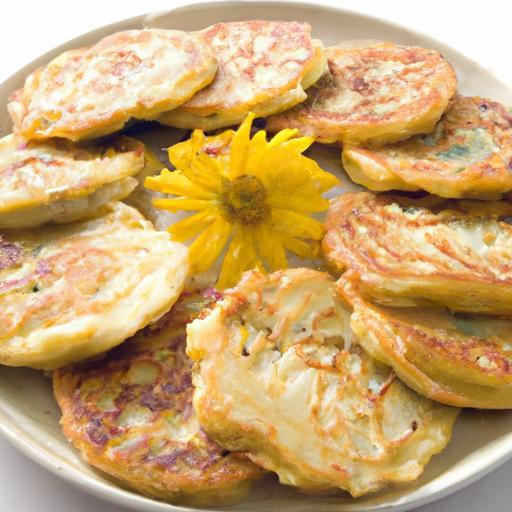
Springtime in Korea is not just a feast for the eyes but also a celebration of delicate flavors and timeless traditions. Among the many culinary treasures that bloom during this season, Hwajeon-korean flower pancakes-stand out as a delightful fusion of nature’s beauty and homely comfort. Thes vibrant, petal-adorned treats capture the essence of spring with each bite, offering a subtle sweetness and a tender texture that’s as enchanting as the blossoms themselves. In this article,we’ll uncover the art of making hwajeon,guiding you through a simple yet enchanting recipe that invites you to savor the season’s gentle rhythms on your own kitchen table. Whether you’re a seasoned cook or a curious foodie, prepare to embark on a flavorful journey where tradition meets creativity in every colorful flower pancake.
Delightful Hwajeon Recipe: How to Make Korean Flower Pancakes captures the delicate harmony of flour and fragrant blossoms that have been cherished in Korean springtime celebrations for centuries. Originating from royal courts and countryside festivities, this charming dish offers a playful balance between visual artistry and light, crispy textures that make every bite an enchanting experience.My first encounter with hwajeon was during a vibrant local flower festival, where the sweet aroma of pan-fried edible blossoms mingled with warm batter filled the air – a memory I’m thrilled to share through this recipe.
Prep and Cook Time
- Preparation: 15 minutes
- Cooking: 10 minutes
- Total Time: 25 minutes
Yield
Serves 4 as a delightful snack or tea-time treat
Difficulty Level
Easy to Medium – Perfect for beginners eager to explore Korean cuisine with precise guidance
Ingredients
- 1 cup hwajeon flour (or substitute sweet rice flour, sifted)
- 2 tbsp glutinous rice flour (for elasticity and chewiness)
- 1/4 cup granulated sugar
- 1/2 cup lukewarm water (adjust for batter consistency)
- 1 large egg (optional for richness)
- 1 tbsp neutral oil (like canola or grapeseed, plus extra for frying)
- edible blossoms (Korean azalea, chrysanthemum, or plum blossoms recommended; about 30 flowers, washed and patted dry)
- A pinch of salt to balance sweetness
- Honey or rice syrup, for drizzling (optional garnish)
Instructions
- Combine the dry ingredients: In a medium bowl, sift together hwajeon flour, glutinous rice flour, sugar, and salt. This ensures a fine, lump-free batter that will deliver the signature lightness.
- Mix the wet ingredients: In another bowl, lightly beat the egg (if using) and slowly stir in the lukewarm water and neutral oil. Gradually pour this into the dry mix, stirring gently with a wooden spoon or spatula to form a smooth, thick batter. The texture should be thick enough to hold an imprint but not doughy-similar to soft pancake batter.
- Rest the batter: Cover the bowl with a clean towel and let sit at room temperature for 10 minutes. This resting period hydrates the flours and enhances tenderness.
- Prepare the blossoms: Gently remove any stems, then carefully press a blossom into a tablespoon of batter so it adheres but doesn’t get fully submerged. This allows the petals to stay vibrant and crisp after frying.
- Heat your skillet: On medium heat,warm a non-stick pan or lightly oiled cast-iron skillet. Add a few drops of oil and wipe excess with a paper towel to prevent greasiness.
- Pan-fry the hwajeon: Spoon battered blossoms gently into the pan, pressing slightly to flatten into 2-3 inch rounds. Fry until the bottoms turn golden brown and crisp, about 3-4 minutes.
- Flip with care: Use a thin spatula to turn the pancakes, cooking the other side an additional 2-3 minutes. Adjust heat as needed-too high will burn the delicate flowers; too low slows crisping.
- Drain and serve: Transfer hwajeon to a cooling rack or paper-towel-lined plate. Drizzle lightly with honey or rice syrup for a subtle floral sweetness if desired.
Chef’s Notes and Tips for Success
- Flour choices impact texture: Traditional hwajeon flour is finely milled from glutinous rice to create a chewy yet airy pancake. If unavailable, experiment by mixing sweet rice flour with all-purpose flour for balance.
- Batter consistency is key: Too thin will cause blossoms to sink and fry poorly; too thick results in dense pancakes. The batter should gently coat a spoon but remain soft.
- Flower selection enhances flavor: Edible blossoms like Korean azalea offer mild floral notes; chrysanthemums add a subtle earthiness. Always ensure flowers are pesticide-free and edible.
- Make-ahead tip: Batter can be refrigerated for up to 4 hours. Bring to room temperature before frying for best results.
- Oil temperature matters: Medium heat preserves the delicate structure of the pancakes while delivering crisp edges-avoid overheating.
Serving Suggestions
Hwajeon is best enjoyed fresh and warm,paired with:
- A cup of fragrant Korean green tea or lightly brewed barley tea to cleanse the palate.
- Sprinkled with a dust of toasted sesame seeds and a drizzle of honey or yuja marmalade for a citrus touch.
- Accompanied by traditional jeon dipping sauce made from soy sauce, vinegar, and a hint of sugar to balance sweetness with umami.
- Decorate your serving plate with extra edible blossoms and fresh mint or microgreens for vibrant contrast.
| Nutrient | Per Serving (2 pancakes) |
|---|---|
| Calories | 160 kcal |
| Protein | 3 g |
| Carbohydrates | 30 g |
| Fat | 2.5 g |

For further culinary inspiration, explore our comprehensive Korean pancakes guide and embrace the versatile world of jeon. To deepen your knowledge of edible flowers, visit the Food Network’s expert guide.
Q&A
Q&A: Delightful Hwajeon recipe – How to Make Korean Flower Pancakes
Q1: What exactly are Hwajeon and why are they so special?
A1: Hwajeon are delicate Korean flower pancakes traditionally made with glutinous rice flour and adorned with edible blossoms like azalea or chrysanthemum petals. They’re not just a treat for the taste buds but also a feast for the eyes-each pancake is like a tiny floral masterpiece! Hwajeon embody the beauty of Korean spring celebrations, especially during Hwaje Festival, making them both a culinary and cultural delight.
Q2: What kind of flowers can I use for Hwajeon? Are they safe to eat?
A2: Absolutely! The key is to use edible flowers that are pesticide-free and safe for consumption.Common choices include azalea, cherry blossoms, plum blossoms, chrysanthemums, and violets. Always source flowers from trustworthy suppliers or your own organic garden. Their subtle floral notes add a unique aroma and a gentle pop of color that elevate these pancakes wonderfully.
Q3: Is making Hwajeon complicated for beginners?
A3: Not at all! hwajeon’s charm lies in their simplicity. The batter is just glutinous rice flour, water, and a pinch of salt. The tricky part is gently pressing the flowers onto the pancakes without tearing them and cooking them over medium heat so they get that perfect golden crust while keeping tender insides. With a little practice, anyone can master these charming cakes.
Q4: Can I make Hwajeon without glutinous rice flour?
A4: While traditional Hwajeon specifically use glutinous rice flour for their chewy, slightly sticky texture, you can experiment with regular rice flour or a mix of all-purpose flour and rice flour. However,expect variations in texture-glutinous rice flour is what lends Hwajeon their signature bounce and softness.
Q5: How do I serve Hwajeon for the best experience?
A5: Serve Hwajeon warm and fresh from the pan with a drizzle of honey or a side of sweetened rice syrup (jjocheong). They pair beautifully with a mild cup of green tea or a refreshing Korean barley tea. Their lightly sweet, floral flavor shines best when enjoyed simply and without heavy accompaniments.
Q6: Can Hwajeon be made vegan and gluten-free?
A6: Traditional Hwajeon is naturally vegan, as it contains no eggs or dairy. As for gluten-free, since the recipe relies on glutinous rice flour-not to be confused with wheat gluten-it’s inherently gluten-free, making it a great dessert option for those with gluten sensitivities.Q7: What’s the cultural meaning behind Hwajeon?
A7: Hwajeon are more than just pancakes-they’re a delicate symbol of spring and renewal in Korean culture. Often enjoyed during festivals like Samjinnal (the third day of the third lunar month), they celebrate the blooming season and embody wishes for prosperity and happiness. Sharing Hwajeon is a tradition that bridges generations and invites gratitude for nature’s fleeting beauty.
Q8: Any tips for picking and prepping flowers for Hwajeon?
A8: Choose fresh, vibrant blossoms early in the morning when their fragrance is strongest. Gently rinse them with cold water and pat dry to preserve their shape and color. Remove any bitter pistils or stamens, leaving only the petal layers-this ensures a pleasant bite without unwanted bitterness.
Q9: Can I add any flavorings or variations to Hwajeon?
A9: definitely! While purists stick to simple batter and flowers, modern twists include adding a hint of vanilla, matcha powder for a green tint, or even a sprinkle of cinnamon. Some cooks fold in finely chopped nuts or sweet red bean paste for a heartier filling. The essence is to keep the floral beauty front and center while gently enhancing the taste.
Q10: How can I make my Hwajeon visually stunning?
A10: Presentation is key! Arrange flowers artistically on each pancake before flipping to create natural “petal mosaics.” Use a non-stick pan to avoid tearing, and cook over moderate heat to maintain vibrant colors. Pair your Hwajeon with a matching floral tea or decorate your serving plate with small fresh blossoms for that extra wow factor.
Embrace the art of Hwajeon and bring a blossom-inspired sparkle to your kitchen with this delightful Korean flower pancake recipe!
Wrapping Up
Bringing a touch of spring to your kitchen, this delightful hwajeon recipe not only offers a feast for the eyes but also a gentle dance of flavors on the palate. As you master the art of crafting these delicate Korean flower pancakes, you’re not just making a snack-you’re embracing a cherished tradition that celebrates nature’s fleeting beauty. Whether enjoyed with tea on a tranquil afternoon or shared in joyful company, hwajeon invites you to slow down and savor the simple elegance of each bite. So next time flowers bloom, why not bring their charm to your table and create your own edible bouquet?