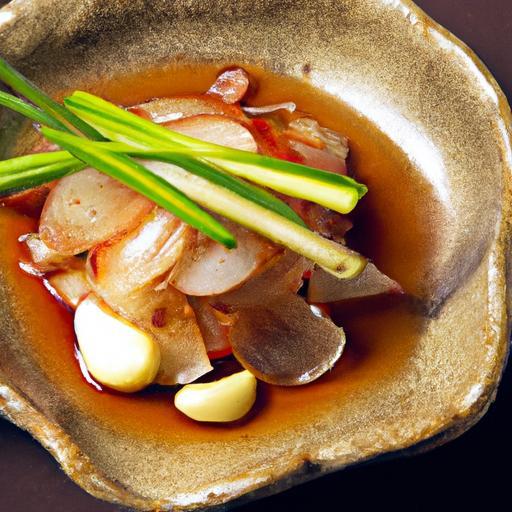
In the intricate tapestry of Korean cuisine, where flavors dance between bold spice and subtle sweetness, pickles hold a revered place as both palate pleasers and cultural treasures. Among these vibrant preserved delights, Maneul Jangajji-the Korean pickled garlic-stands out not merely as a condiment, but as an artisanal masterpiece that encapsulates centuries of tradition and culinary ingenuity. Beyond its pungent aroma and crunchy texture lies a story of preservation, patience, and profound flavor harmony. Join us as we delve into the art of Maneul Jangajji, exploring its historical roots, meticulous readiness, and the unique role it plays in elevating everyday meals to exceptional sensory experiences.
Maneul Jangajji: The Art of Korean Pickled Garlic Delights
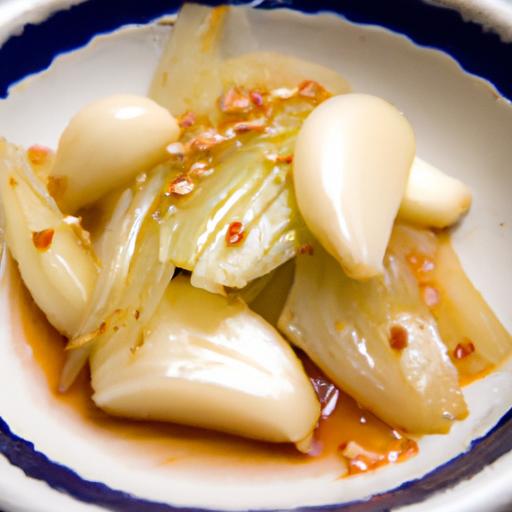
Maneul jangajji is a timeless staple in Korean cuisine that celebrates the humble garlic bulb in a uniquely vibrant way. This pickled garlic dish offers an intriguing balance of sweet, tangy, and salty notes, imparting an umami-packed punch that enlivens any meal. Originating from Korea’s long tradition of preserving vegetables and spices to endure harsh winters,Maneul Jangajji stands out as an aromatic treasure – a condiment passed down through generations that pairs perfectly with everything from hearty stews to delicate rice bowls.
Prep and Cook Time
- Preparation time: 15 minutes
- pickling time: Minimum 7 days (optimal flavor after 2-3 weeks)
Yield
- approximately 1 quart (4 servings as a side condiment)
Difficulty level
- Easy to Medium – perfect for beginners exploring Korean pickling traditions
Ingredients
- 500g fresh garlic cloves, peeled and whole
- 1½ cups soy sauce, preferably Korean soy sauce (ganjang)
- 1 cup rice vinegar, unseasoned for crisp acidity
- ½ cup sweet rice syrup or corn syrup
- ¼ cup water
- 2 tablespoons sugar
- 1 tablespoon Korean chili flakes (gochugaru) – optional for slight heat
- 1 teaspoon toasted sesame seeds for garnish (optional)
- 1 dried red chili pepper – optional for extra depth
Instructions
- prepare the garlic: Begin by peeling the garlic cloves carefully to keep them whole. Rinse under cold water and pat dry with a clean towel.
- Blanch the cloves: Boil a pot of water, then blanch garlic cloves briefly for 1 minute to mellow the raw pungency without losing crunch.Drain and cool promptly in ice water.Dry fully.
- make the pickling brine: In a saucepan, combine soy sauce, rice vinegar, sweet rice syrup, water, and sugar. Heat over medium heat,stirring until sugar dissolves completely. Bring to a gentle simmer, then turn off the heat and allow to cool to room temperature.
- Combine ingredients: Place the garlic cloves in a sterilized glass jar. Add the dried red chili pepper and sprinkle in gochugaru if using. Pour the cooled brine over the garlic,ensuring cloves are fully submerged.
- Seal and store: Seal the jar tightly and store in a cool, dark place or refrigerator. Allow the garlic to pickle for at least 7 days,but for optimal depth of flavor,age for 2-3 weeks.
- Serve: Once ready, garnish with toasted sesame seeds before serving. Use a clean fork or chopsticks to remove garlic cloves.
Tips for Success
- Keep garlic submerged: To avoid spoilage or mold, ensure cloves are always submerged in brine. Use a weight if necessary.
- Customize sweetness and acidity: Adjust the sugar and vinegar ratio to suit your palate-more vinegar for tang, more syrup for sweetness.
- Experiment with spice: Adding gochugaru or fresh chili peppers creates a gently spicy variation, balancing the natural garlic pungency.
- Storage: Refrigerate after opening. Properly stored Maneul Jangajji can last up to two months, growing more complex with age.
- Make-ahead prep: Garlic cloves can be peeled and prepped days ahead if refrigerated properly to save time on pickling day.
Serving Suggestions
Maneul Jangajji shines as a flavorful banchan (side dish), complementing a grain bowl or main dish with lively zest. Serve alongside homemade kimchi,bibimbap,or Korean barbecue.
Its tangy sweetness pairs exquisitely with spicy stews, grilled meats, or even as a lively topping on sandwiches and salads. Garnish with toasted sesame seeds and a sprig of fresh green onion for vibrant contrast and added texture.

| Nutritional Info | Per Serving |
|---|---|
| Calories | 45 kcal |
| Protein | 1.2 g |
| Carbohydrates | 9 g |
| Fat | 0.1 g |
Embrace this easy yet transformative recipe and bring the authentic flavors of Korean cuisine directly into your kitchen. For more inspiration on Korean pickled delicacies, visit the Maangchi collection,a top resource on Korean cooking worldwide.
Q&A
Q&A: Maneul Jangajji – The Art of Korean Pickled Garlic Delights
Q1: What is Maneul Jangajji?
A1: Maneul Jangajji is a conventional Korean pickled garlic dish, where whole or sliced garlic cloves are preserved in a sweet, tangy soy-based brine. This centuries-old culinary gem transforms pungent garlic into a mellow, flavorful accompaniment that dances beautifully alongside rice, stews, and grilled dishes.
Q2: Why is Maneul Jangajji so special in Korean cuisine?
A2: Beyond its bold flavor and delightful texture, Maneul Jangajji embodies Korean culinary beliefs-balancing strong, fermented tastes with harmony and health.It’s not just a side dish; it’s a probiotic-rich treasure that supports digestion and elevates meals with its complex umami notes.
Q3: How is Maneul Jangajji traditionally prepared?
A3: the art begins with fresh garlic bulbs, peeled and sometimes gently bruised to invite the brine’s magic. The garlic is then submerged in a mixture of soy sauce, vinegar, sugar, and often a hint of chili or sesame. Patience is key; leaving the jar to rest for weeks allows the flavors to meld into a tangy, sweet, and mellow masterpiece.
Q4: Are there regional variations of Maneul Jangajji in Korea?
A4: Absolutely! Some regions favor a spicier twist with gochugaru (Korean chili flakes), while others incorporate ginger or honey for added warmth and sweetness.Coastal areas might add a splash of fish sauce to enrich the umami depth.each variation offers a unique glimpse into local tastes and traditions.
Q5: Can Maneul jangajji be made at home easily?
A5: Yes! While the process requires some waiting and care, making Maneul Jangajji at home is wonderfully rewarding. With fresh garlic and pantry staples like soy sauce and vinegar, you can craft your own jars of pickled delight-perfect for impressing guests or enhancing everyday meals.
Q6: how should Maneul Jangajji be enjoyed?
A6: Traditionally, Maneul Jangajji is served as a banchan (side dish), adding zest and texture to each bite. It’s a brilliant partner to steamy bowls of rice, barbecue, spicy stews, or even western dishes seeking a unique, fermented flair. Snack lovers also enjoy it straight from the jar-bold, bright, and utterly addictive!
Q7: What health benefits does pickled garlic offer?
A7: Garlic itself is celebrated for its antimicrobial and heart-kind compounds. When pickled, it gains probiotic qualities that support gut health, boost immunity, and aid digestion. Maneul Jangajji offers a delicious way to harness garlic’s powerful wellness properties with a tangy twist.
Q8: Can Maneul Jangajji be stored for a long time?
A8: Thanks to vinegar and salt, Maneul Jangajji can keep well refrigerated for several months. Over time,the flavors deepen and intensify,so patience is rewarded with ever-more nuanced bites. Just be sure to use a clean utensil to maintain freshness and prevent spoilage.
Q9: What makes Maneul Jangajji different from other pickled garlic varieties worldwide?
A9: While many cultures pickle garlic, the Korean style uniquely balances sweet, sour, and savory notes with soy sauce and often chili heat. This creates a layered, harmonious flavor profile reflecting Korea’s rich palate and fermentation traditions-more than just pickled garlic; it’s a culinary story in a jar.
Q10: Where can one try authentic Maneul Jangajji?
A10: To experience true Maneul Jangajji, visit Korean households, traditional markets, or restaurants specializing in banchan. Some Korean grocery stores also offer bottled versions. For the most authentic taste and cultural connection, homemade or home-shared recipes bring the soul of this pickled delicacy right to your table.
Maneul Jangajji isn’t just food-it’s a vibrant expression of Korean heritage, patience, and the joyful alchemy of pickling. Next time you savor its piquant sweetness, remember you’re tasting a craft perfected over generations.Enjoy the art of Korean pickled garlic delights!
To Conclude
As the final clove of Maneul Jangajji melts on your tongue, you’re reminded that this humble pickled garlic is much more than a mere side dish-it is a vibrant thread woven into the rich tapestry of Korean culinary heritage. From its labor of love preparation to its bold, tangy zest, Maneul Jangajji invites us to savor tradition in every bite and to appreciate how simple ingredients, through time-honored techniques, transform into unforgettable flavors. Whether you’re a seasoned foodie or a curious newcomer, embracing this delicate art offers a delicious journey into Korea’s vibrant palate-one pungent, pickled clove at a time.