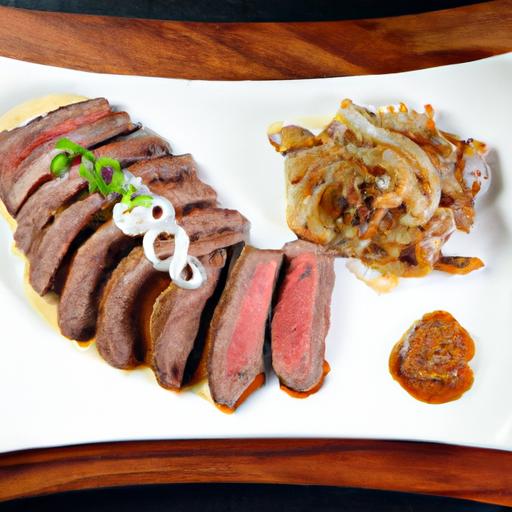



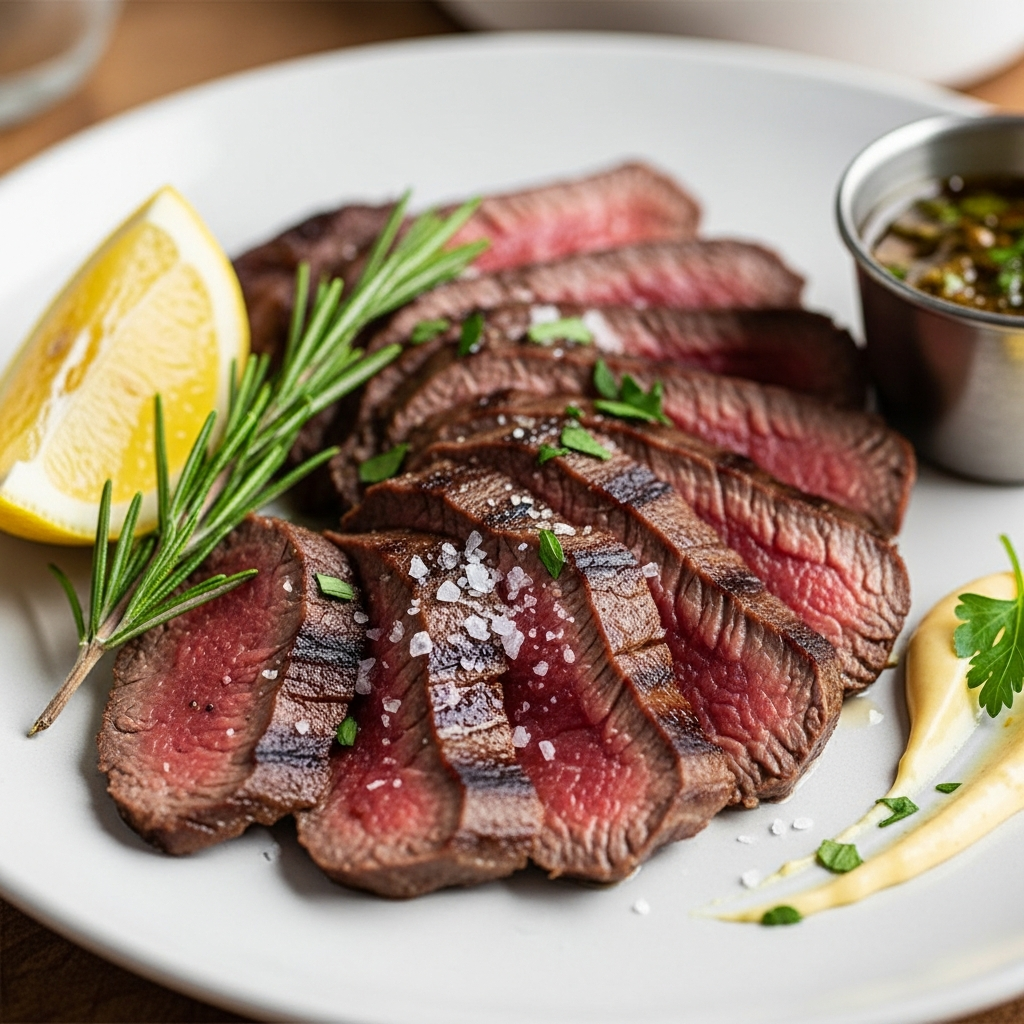
in the vibrant tapestry of global cuisine, few dishes ignite curiosity and appetite quite like gyutan-Japan’s sizzling tribute to grilled beef tongue. Often overshadowed by more ubiquitous cuts, this humble yet flavorful ingredient has carved out its own legendary status, captivating food lovers with every charred, tender bite. “Gyutan Unveiled: The Sizzling Delight of Grilled Beef Tongue” invites you on a flavorful journey to uncover the origins, planning secrets, and cultural significance behind this savory delicacy. Whether you’re a seasoned foodie or a culinary adventurer, prepare to discover why gyutan is much more than just a dish-it’s an experience that tantalizes the senses and celebrates the art of grilling to perfection.
Gyutan unveils a captivating journey through Japan’s rich culinary heritage, where grilled beef tongue transforms from humble offal to a celebrated delicacy. Originating in Sendai during the 1940s, this sizzling delight quickly won hearts for its uniquely tender texture and smoky, savory flavor. As someone who first tasted gyutan in a bustling izakaya, the charred edges and melt-in-your-mouth bite instantly captivated me, setting the stage for a lifelong passion to replicate and master this iconic dish in my own kitchen.
Prep and Cook Time
Preparation: 15 minutes | Marinating: 1 hour | Cooking: 10 minutes | Total: 1 hour 25 minutes
Yield
Serves 4 as a main dish
Difficulty Level
Medium – requires attention to slicing and grilling technique
Ingredients
- 500g fresh beef tongue, trimmed and sliced into 5mm thick pieces
- 3 tablespoons soy sauce (preferably Japanese shoyu)
- 2 tablespoons mirin
- 1 tablespoon sake
- 1 teaspoon finely grated garlic
- 1 teaspoon finely grated ginger
- 1 teaspoon toasted sesame oil
- 1 teaspoon salt
- Freshly ground black pepper, to taste
- 2 green onions, finely sliced for garnish
- Shichimi togarashi (Japanese seven spice), optional, for extra kick
- Lemon wedges, to serve
Instructions
- Prepare the beef tongue: If not pre-sliced, carefully freeze the beef tongue for about 30 minutes to make thin slicing easier. Slice into uniform 5mm pieces to ensure even cooking and tender results.
- Marinate the slices: In a bowl, combine soy sauce, mirin, sake, grated garlic, grated ginger, sesame oil, salt, and black pepper. Add the beef tongue slices and coat thoroughly. cover and refrigerate for at least 1 hour to infuse flavors.
- Preheat your grill or grill pan: Set to medium-high heat and lightly oil the grates to prevent sticking. Authentic gyutan cooking requires a hot surface to create the signature char.
- Grill the slices: Remove beef tongue from marinade, letting excess drip off. Place slices on the grill in a single layer. Cook for about 2-3 minutes per side, until edges develop a rich char and centers remain tender.
- Rest briefly: Remove from heat and let rest for 2 minutes-this helps redistribute juices and locks in moisture.
- Garnish and serve: Arrange on a serving plate, spritz with fresh lemon juice, sprinkle with green onions and optionally a pinch of shichimi togarashi. Serve promptly for optimal flavor and texture.
Tips for Success
- For the most authentic gyutan experience, seek out high-quality, fresh beef tongue from your butcher or specialty markets. Pre-sliced is ideal if available.
- If you prefer, soak slices in cold water for 30 minutes before marinating to mellow any strong offal aroma.
- Maintain medium-high heat throughout grilling to achieve the perfect balance of a smoky, slightly crisp exterior with tender, juicy centers.
- Shichimi togarashi adds an exciting spicy, citrusy pop-but feel free to omit if you prefer milder flavors.
- Make-ahead option: Marinate beef tongue slices up to 24 hours before grilling to deepen flavor complexity.
Serving Suggestions
present grilled gyutan alongside steaming bowls of gyutan jiru, a customary beef tongue soup, or with simple steamed white rice to highlight the meat’s umami. Accompany it with crisp pickled cucumbers or a refreshing cabbage salad to offset its richness. Lemon wedges are essential to brighten each bite, while a sprinkle of toasted sesame seeds enhances the aroma. Pair with a chilled glass of Japanese sake or light beer for a genuine izakaya-style feast.

| Nutrient | Per Serving |
|---|---|
| Calories | 280 kcal |
| Protein | 34 g |
| Carbohydrates | 3 g |
| Fat | 14 g |
| Sodium | 620 mg |
Explore more about Japanese grilling techniques in our Japanese Yakiniku Grilling Techniques guide, or discover the wider world of Japanese offal dishes on Japan Guide’s cultural page.
Q&A
Q&A: Gyutan Unveiled – The Sizzling Delight of Grilled Beef Tongue
Q1: What exactly is Gyutan?
A1: Gyutan, literally meaning “beef tongue” in Japanese, is a culinary delicacy where thin slices of beef tongue are expertly grilled to perfection. Originating from Sendai, Japan, this dish has won hearts for its unique texture and rich, smoky flavor that sizzles with every bite.
Q2: How did Gyutan become such a beloved dish?
A2: The story traces back to the 1940s when a pioneering chef in Sendai sought to elevate humble beef tongue into a gourmet experience. By marinating thinly sliced tongue with salt, pepper, and sometimes tare sauce, then grilling it over charcoal, he unlocked flavors that charmed locals and eventually food lovers worldwide.
Q3: What makes Gyutan different from other grilled beef dishes?
A3: Unlike a typical steak, Gyutan offers a tender yet slightly chewy bite, combined with a distinctive smoky aroma. Its thin slices allow for rapid grilling, creating a delightful contrast between a crisp, caramelized exterior and a juicy interior. The tongue’s natural richness paired with simple seasoning highlights its unique meaty essence.
Q4: How is authentic Gyutan traditionally prepared and served?
A4: Traditionally, Gyutan is seasoned simply with salt and pepper or a special tare sauce, then grilled over a charcoal flame for that signature smoky char. It’s commonly served with a side of barley rice, oxtail soup, and pickled vegetables, creating a harmonious balance of flavors and textures.
Q5: Can Gyutan be found outside of Japan?
A5: Absolutely! though rooted in Sendai, Gyutan has crossed borders, appearing in Japanese and international BBQ restaurants worldwide. While preparation styles may vary, the essence remains-thinly sliced beef tongue sizzling over hot coals, ready to delight adventurous palates.
Q6: Is Gyutan nutritious?
A6: Yes, beef tongue is surprisingly nutrient-dense. It’s high in protein, rich in vitamins like B12, zinc, and iron, making it a hearty yet wholesome choice. Its fat content is moderate, providing flavor without excess greasiness.
Q7: Any tips for first-timers eager to try Gyutan?
A7: Dive in with an open mind and savor each bite slowly to appreciate its texture and smoky depth. Pair it with a refreshing drink-perhaps a crisp beer or sake-to complement the rich flavors.And don’t hesitate to try traditional accompaniments like barley rice and oxtail soup for the authentic Sendai experience.
Q8: Can Gyutan be made at home?
A8: Definitely! While charcoal grilling adds an unrivaled flavor, you can achieve great results using a hot grill pan or broiler. Marinate thin slices of beef tongue with salt, pepper, and your choice of soy-based tare sauce, grill quickly over high heat, and enjoy the sizzling delight right in your own kitchen.
Q9: What flavor profiles characterize gyutan?
A9: Gyutan boasts a smoky, savory profile with an umami-rich depth. The mild natural gamey notes of beef tongue are balanced by simple seasoning and the char from grilling. This creates a harmony of earthiness, subtle sweetness, and a tantalizing smoky finish.
Q10: Why is Gyutan worth exploring for food adventurers?
A10: Gyutan invites you beyond the usual steakhouse fare into a world where texture and flavor dance in novel harmony. It challenges perceptions, proving that beef tongue can be a star ingredient-tender, flavorful, and deeply satisfying.For those craving something sizzling,savory,and steeped in culture,Gyutan is a delicious discovery waiting to be unveiled.
Wrapping Up
As the final sizzle of gyutan fades into savory memory, it’s clear that this humble cut of beef tongue offers far more than just a meal-it’s an experience steeped in tradition, flavor, and culinary artistry. From its tender texture to its smoky, charred aroma, gyutan invites food lovers to savor a unique facet of Japanese grilling culture that continues to captivate palates worldwide. Whether you’re a seasoned foodie or a curious newcomer, embracing the delights of gyutan promises a sizzling adventure that transcends the ordinary and celebrates the remarkable craft of grilled beef tongue. So next time you crave something bold and flavorful,let gyutan take center stage on your plate-and enjoy every tantalizing bite of this unforgettable delicacy.