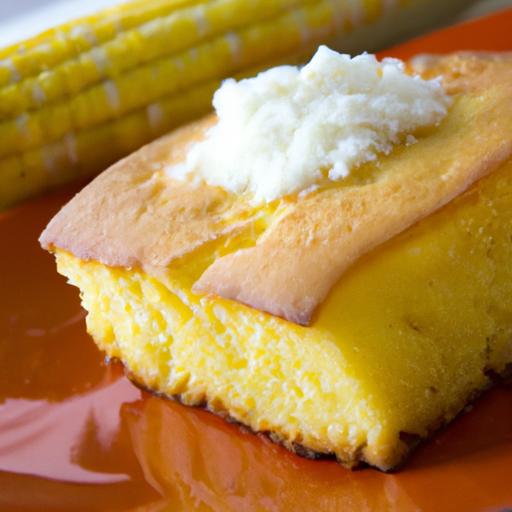

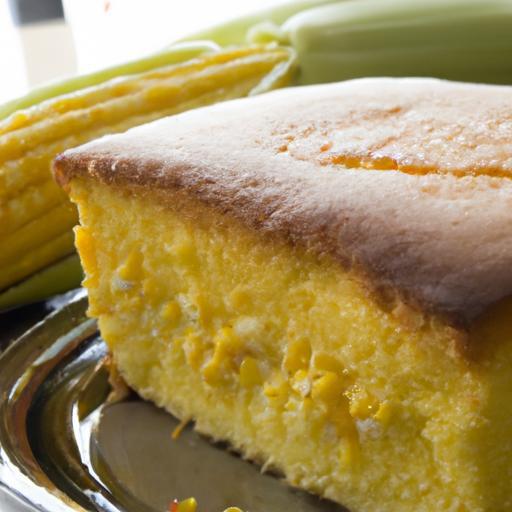
there’s something undeniably warm and inviting about a slice of cornbread-its golden crust, tender crumb, and subtle sweetness evoke memories of cozy kitchens and hearty family meals. But cornbread is more then just a flavorful side; it’s a culinary treasure steeped in history, reflecting the diverse cultures and traditions that shaped the American South and beyond. From its indigenous Native American origins to its evolution through centuries of adaptation, cornbread tells a story as rich and textured as its crumb. In this article, we’ll journey through the fascinating past of this humble bread, uncovering the secrets behind its enduring appeal, and share a timeless recipe that brings the golden comfort of cornbread straight to your table.
Golden Comfort is more than just a dish; it’s a warm embrace from Southern kitchens where cornbread has long been a symbol of hospitality and heritage. This humble, golden-hued bread carries centuries of history, blending Native American staples with African and European influences to create an iconic Southern comfort food cherished at every table. Its tender crumb and crispy crust tell stories of simple ingredients transformed by technique into a beloved classic, inviting you to experience both tradition and flavor in every bite.
Prep and Cook Time
- Planning: 10 minutes
- Cooking: 20-25 minutes
- Total Time: 35 minutes
Yield
- Serves 8 generously
Difficulty Level
- easy – Perfect for beginners and seasoned cooks alike
Ingredients
- 1 cup yellow cornmeal, stone-ground if possible
- 3/4 cup all-purpose flour, sifted
- 1/4 cup granulated sugar (adjustable for sweetness)
- 1 tablespoon baking powder, fresh for optimal rise
- 1/2 teaspoon fine sea salt
- 1 cup buttermilk, well-shaken
- 2 large eggs, beaten
- 1/4 cup unsalted butter, melted + extra for greasing
Instructions
- Preheat your oven to 425°F (220°C) and generously butter a 9-inch cast-iron skillet or baking pan. A hot skillet helps create the signature crispy crust that makes Golden Comfort so irresistible.
- In a large bowl, whisk together the cornmeal, flour, sugar, baking powder, and salt untill fully combined and aerated.
- In a separate bowl, combine the buttermilk, eggs, and melted butter. Whisk until smooth and glossy.
- Slowly pour the wet ingredients into the dry, folding gently with a spatula. Mix just until no streaks of flour remain-overmixing can toughen the crumb.
- Pour the batter into the preheated, buttered skillet. The sizzle you here is the start of a perfect crust forming.
- Bake for 20-25 minutes, or until the top is golden and a toothpick inserted in the center comes out clean. For an extra touch, broil the top for 1-2 minutes at the end, watching closely to avoid burning.
- Remove from oven and let sit for 5 minutes before slicing. This rest helps the bread set, improving texture and flavor development.
Tips for Success
- Use fresh baking powder for the best rise and fluffy texture; expired leavening can lead to dense cornbread.
- Buttermilk</b is key to that tangy depth-substitute with milk + 1 tbsp vinegar if needed.
- For a richer crust, preheat your skillet</b in the oven before adding the batter.
- To make ahead,bake cornbread until just set,cool fully,then freeze. Warm in the oven to refresh the crispy crust.
- Additions like jalapeños, cheddar, or corn kernels</b can elevate your recipe-mix them gently into the batter before baking.
Serving Suggestions
- Serve warm with a pat of honey butter melting over the edges-a divine complement to the slightly sweet crumb.
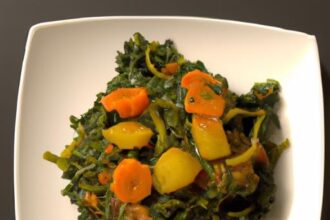
- Pair with classic Southern sides like collard greens, black-eyed peas, or a hearty bowl of chili for a comforting meal.
- Garnish with fresh herbs like chopped chives or parsley to add a pop of color and fresh aroma.
- For brunch, crumble cornbread over scrambled eggs and top with salsa and avocado for a creative twist.
| nutrient | Per Serving |
|---|---|
| Calories | 190 kcal |
| Protein | 4 g |
| Carbohydrates | 28 g |
| Fat | 7 g |
Golden comfort shines in its simplicity-a testament to the magic that happens when traditional ingredients unite to create a versatile and satisfying bread. For a deeper dive into Southern cuisine roots, explore our comprehensive Southern Cooking Guide. For ancient context and preservation of Native American food heritage,visit the National Museum of the American Indian’s foodways resource.

Q&A
Q&A: golden Comfort – The rich History and Recipe of Cornbread
Q1: What makes cornbread a staple in American cuisine?
A1: Cornbread is more than just a side dish; it’s a symbol of comfort and heritage. Rooted deeply in Native American culinary traditions, cornmeal became a vital ingredient long before European settlers arrived. Its adaptability and earthy flavor have made cornbread a beloved companion to soulful stews, spicy chilies, and Sunday dinners across the South and beyond.
Q2: How did cornbread originate?
A2: Cornbread’s origins trace back to Indigenous peoples of North America, who ground maize into meal and baked it in hearths or ashes. When European colonists adopted cornmeal, they experimented with their own baking techniques, combining old-world traditions with new-world ingredients. This fusion birthed the cornbread we recognize today-a golden, crumbly bread rich in history.
Q3: Why is cornbread ofen associated with Southern cuisine?
A3: The South embraced corn as a dietary cornerstone, thriving on its accessibility and affordability. Cornbread became a daily ritual, offering sustenance and warmth. Generations passed down recipes that varied by region and family-some sweet, some savory-reflecting the diverse soul of Southern cooking and culture.
Q4: What are the essential ingredients for classic Southern cornbread?
A4: At its heart, classic Southern cornbread requires just a few simple ingredients: cornmeal, buttermilk, eggs, flour, baking powder, salt, and a generous helping of butter or bacon grease. The magic lies in balancing the cornmeal’s texture with the tenderness of the batter, producing a loaf that’s crisp on the outside and tender within.
Q5: Are there different styles of cornbread?
A5: Absolutely! Northern-style cornbread often leans sweeter, incorporating sugar and sometimes milk instead of buttermilk. Simultaneously occurring, Mexican variants might add jalapeños or cheese for a spicy kick. Hushpuppies, fried cornbread balls, also trace their lineage back to this culinary tradition, showcasing cornbread’s versatility.
Q6: Can you share a simple, authentic recipe for golden cornbread?
A6: Certainly! Here’s a classic Southern cornbread recipe:
Ingredients:
- 1 cup yellow cornmeal
- 1 cup all-purpose flour
- 1 tablespoon baking powder
- ½ teaspoon salt
- 1 cup buttermilk
- 2 large eggs
- ½ cup melted butter or bacon grease
Instructions:
- Preheat your oven to 425°F (220°C). Lightly grease a cast-iron skillet or baking dish.
- In a bowl, whisk together cornmeal, flour, baking powder, and salt.
- In another bowl, beat eggs with buttermilk and melted butter.
- Combine wet and dry ingredients,stirring just until moistened.
- Pour batter into the skillet and bake for 20-25 minutes, or until golden brown and a toothpick comes out clean.
- Let cool slightly before slicing and serving warm with butter or honey.
Q7: What cultural importance does cornbread hold today?
A7: Cornbread remains a cherished emblem of community, tradition, and resilience. Whether served at family gatherings, church potlucks, or holiday feasts, it connects people to a shared past and a flavorful present. In every golden bite, there’s a story of survival, adaptation, and party-making cornbread truly golden comfort for the soul.
Closing Remarks
As the warm, crumbly slices of cornbread have passed from one generation to the next, they carry with them more than just flavor-they hold stories of resilience, community, and tradition. From humble cornfields to festive family tables, cornbread remains a golden thread weaving through the tapestry of culinary history. Whether enjoyed fresh from the skillet or paired with savory stews, its comforting richness reminds us that sometimes, the simplest ingredients can create the most enduring legacies. So next time you break off a piece of this golden comfort, savor not just the taste, but the heritage baked into every bite.