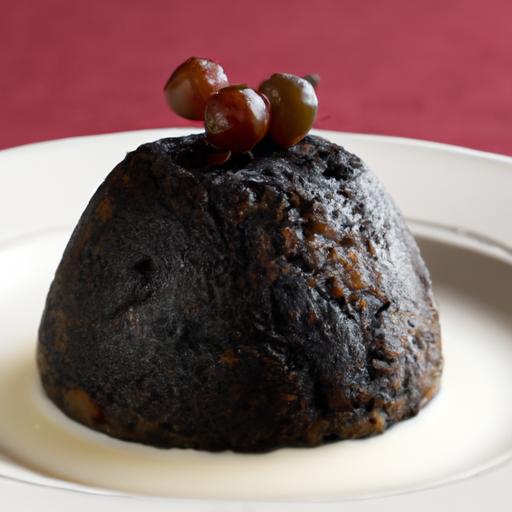

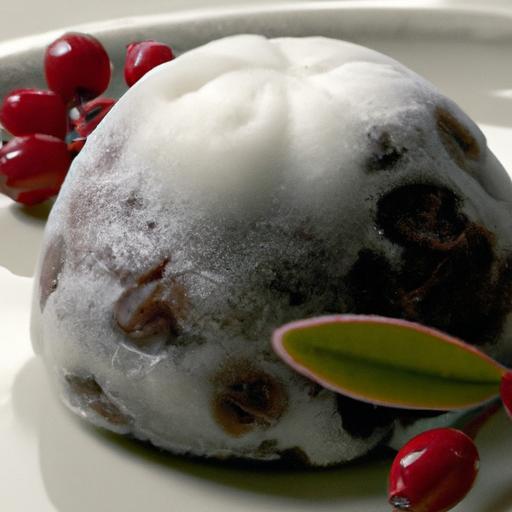
As winter’s chill settles over the British Isles and festive lights begin to twinkle in every window, one enduring culinary tradition takes centre stage at holiday tables across the nation-the iconic Christmas pudding. Steeped in centuries of history and wrapped in layers of symbolism, this rich, spiced dessert is far more than just a sweet finale to the Christmas feast. From its humble medieval origins to its status as a beloved emblem of British heritage, the Christmas pudding carries stories of family gatherings, carefully guarded recipes, and a touch of festive magic.In this article, we unwrap the timeless tradition of British Christmas pudding, exploring its intriguing past, the rituals that surround its planning, and the reasons why it continues to captivate hearts and palates year after year.
The Timeless Tradition of British Christmas Pudding Unwrapped reveals a deeply cherished dessert, steeped in rich history and festive symbolism. This iconic holiday treat has been a centerpiece on British tables for centuries, delighting families with its complex flavors and warm, comforting aroma. Each spoonful tells a story of tradition, patience, and celebration-perfect for creating those unforgettable holiday memories.
Prep and Cook time
- Preparation: 30 minutes
- Steaming time: 6 hours
- Resting time: Minimum 4 weeks (ideal for flavor maturation)
Yield
serves 8-10 festive guests
Difficulty Level
Medium – requires careful preparation and patience
key Ingredients and their Symbolic Meanings
Every ingredient in this British Christmas pudding carries its own historic significance, weaving meaning into every bite.The rich dried fruits symbolize abundance and prosperity, the suet represents strength and richness, while the spices are reminiscent of the exotic imports that once signified wealth and celebration. Brandy, traditionally used for soaking and preserving, invokes warmth and cheer. This pudding is not only a dessert; it’s a appetizing embodiment of festive spirit and heritage.
Ingredients
- 200g mixed dried fruit (currants, sultanas, raisins, chopped prunes)
- 100g candied peel, finely chopped
- 100g suet (vegetable or beef suet, finely chopped)
- 100g dark brown sugar
- 100g all-purpose flour, sifted
- 100g fresh white breadcrumbs
- 1 tsp mixed spice (cinnamon, nutmeg, cloves)
- 1 tsp ground cinnamon
- Zest of 1 lemon and 1 orange
- 3 large eggs, beaten
- 150ml stout or dark ale
- 150ml brandy, plus extra for feeding and igniting
- 50g chopped almonds (optional)
- Butter, for greasing pudding basin
- 100ml water
Step by Step Guide to Crafting the Perfect Christmas Pudding
- Prepare your mixture: In a large bowl, combine the mixed dried fruits, candied peel, suet, dark brown sugar, flour, and breadcrumbs. Stir together until well mixed.
- Add the spices and zest: Sprinkle in the mixed spice, cinnamon, lemon, and orange zest. Toss again to distribute evenly.
- Incorporate wet ingredients: Beat the eggs lightly. Pour into the fruit and flour mix, followed by the stout and brandy. Stir thoroughly until the batter is thick and sticky. Stir in the chopped almonds if using.
- Rest overnight: Cover and refrigerate the mixture for at least 12 hours to allow the flavors to meld beautifully.
- Prepare the pudding basin: Grease a 1.2L pudding basin with butter, then spoon in the mixture, pressing down lightly to avoid air pockets. Cover the top securely with a double layer of parchment paper and foil,tying tightly with kitchen string.
- Steam the pudding: Place the basin in a large pot with boiling water reaching halfway up the sides. steam gently for 6 hours,topping up water regularly to maintain the level.
- Store and mature: Once cooled, replace the parchment and foil with fresh layers. Store the pudding in a cool, dark place for a minimum of 4 weeks, feeding with a little extra brandy weekly to preserve moisture and enhance flavor.
- Reheat before serving: On Christmas Day, steam the pudding again for 2 hours until piping hot throughout.
Chef’s Notes and Tips for Success
- For a gluten-free version, substitute the flour with gluten-free alternatives and ensure your breadcrumbs are gluten-free.
- Traditionally, the pudding is made on “Stir-Up Sunday,” allowing all family members a turn to stir the mixture for good luck.
- Use a deep-sided steamer or large stockpot with a trivet to avoid water contact with the pudding basin.
- Don’t rush the steaming process; slow, gentle heat produces the best texture and moistness.
- Infuse extra brandy just before serving to intensify aroma and flavor, and prepare to flambé for theatrical presentation.
- Make ahead and freeze after initial steaming to save time; simply thaw and steam again when needed.
Serving Suggestions and Creative Twists for a Modern Holiday Table
Serve your Christmas pudding warm, pairing with traditional lashings of brandy butter, cream, or custard. For a modern twist, try a spiced caramel sauce or a scoop of cinnamon ice cream to add textural contrast and unexpected flair. Garnish with fresh holly or edible gold leaf for an elegant touch. Alternatively, turn leftovers into decadent trifle layers to extend the pudding’s celebration beyond Christmas night.

| Nutrient | Per Serving |
|---|---|
| Calories | 350 kcal |
| Protein | 5 g |
| Carbohydrates | 60 g |
| Fat | 8 g |
experience the joy and magic that comes with mastering this festive staple. To explore complementary holiday treats, don’t miss our article on Classic British Mince Pies – A Festive must-Have. For detailed insights into the history of Christmas traditions worldwide,visit the British Museum’s festive collection.
Q&A
Q&A: The Timeless Tradition of British Christmas Pudding Unwrapped
Q: What exactly is a British Christmas pudding?
A: Imagine a dark, dense cake packed with a treasure trove of dried fruits, nuts, suet, molasses, and spices-slowly steamed to moist perfection. British Christmas pudding, often dubbed the “plum pudding,” is a festive dessert that has warmed christmas dinners for centuries with its rich, fruity flavors and deep cultural roots.
Q: Why is it called a “pudding” if it’s more like a cake?
A: In British culinary tradition, the word “pudding” doesn’t only mean a creamy dessert. historically, puddings were boiled or steamed dishes, sweet or savory. Christmas pudding falls into the steamed pudding category-dense, moist, and hearty, quiet unlike the lighter, baked cakes many might expect.
Q: When did this tradition begin?
A: The origins trace back to medieval England, with recipes evolving since at least the 14th century. Early puddings were savory mixtures of meat and grains, but by the Victorian era, the sweet fruit-laden version we recognize today became a Christmas staple, symbolizing prosperity and good fortune for the coming year.
Q: What time-honored customs surround the making of Christmas pudding?
A: Traditionally made on “stir-up Sunday” – the last Sunday before Advent – each family member takes a turn stirring the mixture from east to west, to honor the Magi’s journey. Some hide a coin or charm inside for good luck, and once steamed, the pudding rests for weeks or even months, letting flavors deepen and mature.
Q: How is Christmas pudding served?
A: Typically served warm with a flambé flourish-doused in brandy, lit aflame, and carried to the table in a glowing spectacle. It’s often accompanied by rich custard, cream, or brandy butter, making every bite a celebration of warmth and indulgence.
Q: Has the Christmas pudding changed over time?
A: While the core ingredients remain steadfast,modern variations embrace new twists-vegan versions,reduced-sugar recipes,or innovative flavor infusions. Yet, the essence of the pudding as a symbol of tradition, family, and festivity endures, bridging past and present.
Q: Why does british Christmas pudding continue to captivate people today?
A: Beyond its sumptuous taste, Christmas pudding is a culinary time capsule, a ritual that brings families together, weaving stories and memories into each stirring and steaming. It’s not just dessert-it’s an edible emblem of heritage, warmth, and the enduring spirit of Christmas.
To Conclude
As the final spoonful of British Christmas pudding melts on the tongue, it carries with it more than just rich flavors- it carries centuries of tradition, family gatherings, and festive cheer.Unwrapping this timeless dessert is like peeling back the layers of history itself, revealing a story steeped in ritual and nostalgia. Weather adorned with holly or set aflame with brandy, the humble pudding remains a delicious link to Britain’s past, inviting each generation to savor not just a dish, but a cherished cultural heritage. So next Christmas, as you gather round the table, remember: you’re not just enjoying a pudding-you’re partaking in a living tradition that continues to sweeten the season, year after year.