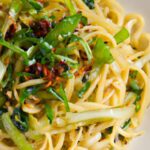
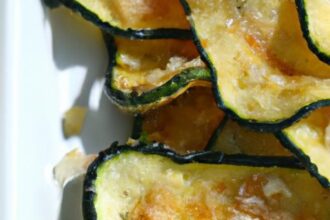
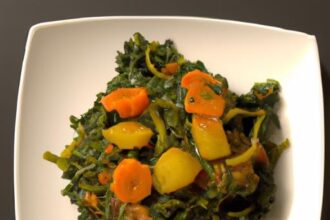
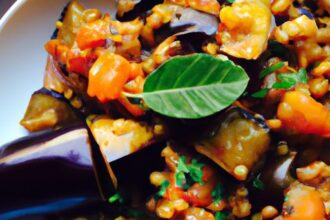
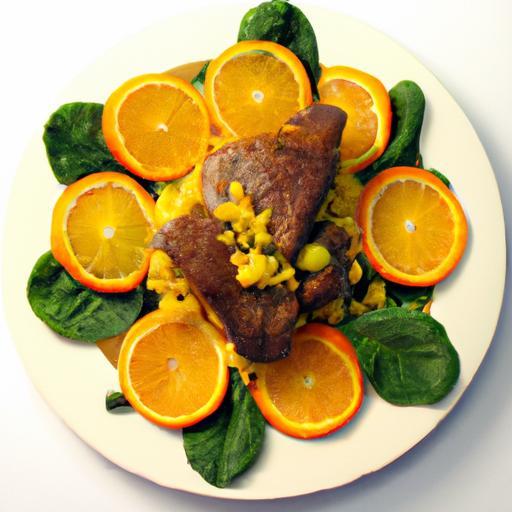
Long before modern kitchens buzzed with gadgets and global ingredients, the people of ancient Europe savored meals crafted from the bounty of their forests, fields, and rivers. These early culinary traditions, woven from foraged plants, hunted game, and simple fire-roasted delights, laid the flavorful foundation of what we now call the Paleo diet. Today, as we seek to reconnect with our roots and embrace wholesome eating, a fascinating journey unfolds-reviving the ancient flavors of Europe’s distant past.In this exploration of Paleo European recipes, we’ll uncover time-honored techniques, rediscover forgotten ingredients, and savor the earthy, robust tastes that nourished our ancestors millennia ago. Join us as we travel back in time, bringing ancient flavors boldly back to the table.
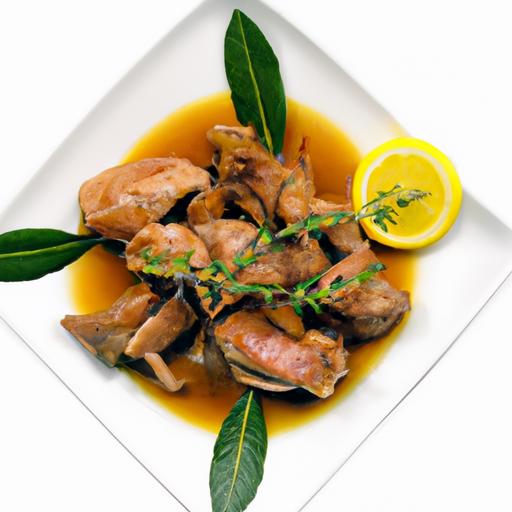
Ancient Flavors Revived: Exploring Paleo European Recipes opens a direct portal to the rich and untamed culinary world of Europe’s Paleolithic inhabitants. One such dish, a hearty Stone Age venison stew, invites you to reconnect with nature’s primal bounty, drawing on wild herbs, roots, and the smoky warmth of an open flame. This stew, inspired by customary techniques rediscovered through archaeological finds and ethnographic storytelling, perfectly embodies the essence of early European diets-wholesome, nourishing, and bursting with the deep umami flavors that sustained our ancestors.
Prep and Cook Time
Readiness: 20 minutes
Cooking: 2 hours
Total Time: 2 hours 20 minutes
Yield
4 generous servings
Difficulty Level
Medium
ingredients
- 1.5 lbs (700g) venison shoulder or neck, cut into 1-inch cubes
- 2 tbsp rendered animal fat (deer, wild boar lard, or beef tallow)
- 1 large wild onion, finely chopped (or 1 medium yellow onion)
- 3 garlic cloves, minced
- 2 medium parsnips, peeled and sliced
- 2 medium carrots, peeled and diced
- 1 cup wild mushrooms (chanterelles or porcini preferred), roughly chopped
- 2 cups bone broth (preferably from game or beef bones)
- 1 cup water
- 2 sprigs fresh rosemary
- 2 sprigs fresh thyme
- 1 tsp crushed juniper berries
- Sea salt and freshly cracked black pepper to taste
- Optional: 1 tbsp wild blueberry jam (for subtle sweetness)
Instructions
- Prepare the meat: Pat the venison cubes dry with paper towels to ensure a perfect sear. Season generously with sea salt and black pepper.
- Sear the venison: Heat the rendered animal fat in a heavy-bottomed pot or cast-iron skillet over medium-high heat. Add the venison in batches, searing each side until a rich brown crust forms, about 3-4 minutes per batch. Avoid overcrowding the pan. Remove and set aside.
- Sauté aromatics: In the same pot, reduce heat to medium. Add the chopped wild onion and garlic, sautéing until soft and fragrant, about 5 minutes. Stir often to prevent sticking and melting aromas deeper.
- Add root vegetables and mushrooms: Stir in the parsnips, carrots, and wild mushrooms. Cook,stirring occasionally,until the mushrooms release their moisture and start to brown slightly,about 7 minutes.
- Deglaze and simmer: Return the seared venison to the pot. Pour in the bone broth and water,scraping the bottom to lift those luscious browned bits. Add rosemary, thyme, and crushed juniper berries.
- Slow cook: Bring the mixture to a gentle simmer, then cover and cook on low heat for 1.5 to 2 hours until the venison is tender and the flavors meld beautifully. Stir occasionally.
- Finish with optional sweetness: For a balanced depth reminiscent of ancient wild berry harvests, stir in the wild blueberry jam just before serving. Adjust salt and pepper to taste.
Chef’s Notes
- Meat alternatives: Wild boar or elk can substitute venison for different yet authentic flavors.
- Bone broth preparation: Try making your own broth by roasting game bones for an earthy, smoky foundation.
- Herb substitutions: If fresh rosemary or thyme are unavailable,dried versions work,but halve the quantity to prevent overpowering.
- Make-ahead tips: This stew tastes even better the next day as flavors deepen-reheat gently and add a splash of broth if thickened too much.
- Vegetarian adaptation: Replace venison with hearty wild mushroom medley and use vegetable broth for an earthy plant-based proxy of ancient forest flavors.
Serving Suggestions
Serve this rustic stew in deep bowls, garnished with fresh sprigs of thyme and a sprinkle of crushed juniper berries for an aromatic flourish. Pair with mashed root vegetables or toasted slices of nut-and-seed flatbread for a truly immersive paleo European feast. A drizzle of aged wild honey enhances the subtle sweetness and contrasts the stew’s hearty savor.
| Nutrient | Per Serving |
|---|---|
| Calories | 380 kcal |
| Protein | 45g |
| Carbohydrates | 12g |
| Fat | 15g |

Q&A
Q&A: Ancient Flavors Revived – Exploring Paleo European Recipes
Q1: What exactly are paleo European recipes, and why are they gaining popularity today?
A1: Paleo European recipes refer to dishes inspired by the diets of early Europeans during the Paleolithic era, roughly 10,000 to 2.5 million years ago. These recipes emphasize whole foods like wild game, nuts, seeds, berries, and ancient grains, cooked with methods our ancestors might have used-think open flames and stone grinding. Their popularity today stems from a modern craving for nutrient-dense, unprocessed foods and a desire to reconnect with our culinary roots. It’s a flavorful journey back in time, offering both health benefits and a taste of history.
Q2: How do these ancient recipes differ from othre Paleo or ancestral diets?
A2: While many Paleo diets today are broad and global, Paleo European recipes focus specifically on ingredients and cooking techniques available to prehistoric Europeans.Unlike tropical or Mediterranean ancestries that favored roots like yams or olives, Europeans relied on wild boar, venison, elderberries, hazelnuts, and early cultivated plants such as spelt. This regional specificity lends Paleo European cuisine a distinctive earthiness and a palette that reflects the forests, plains, and rivers of ancient Europe.
Q3: What kind of ingredients were staples in Paleo European diets?
A3: Staples included wild game meats like deer and boar, freshwater fish, wild fruits such as elderberries and sloes, nuts like hazelnuts and chestnuts, and early grains such as spelt and emmer wheat-often in their less processed forms. Herbs like wild garlic, dill, and juniper berries flavored their meals, while natural fats from animals provided essential energy.
Q4: Are there any unique cooking techniques specific to ancient Europeans?
A4: Absolutely! Early Europeans mastered techniques like pit roasting-burying meats in earth pits lined with hot stones-and stone boiling, where heated stones were dropped into wooden bowls filled with water to cook stews. They also ground grains on stone slabs to create coarse flours and used fermentation to preserve food long before refrigeration existed. These methods enhanced flavors and textures in ways modern cooking often overlooks.
Q5: What does trying Paleo european recipes today teach us about history and culture?
A5: Cooking and tasting Paleo European recipes offers a tangible link to human ingenuity and survival. It reveals how early communities adapted to their environments, utilizing every resource available while respecting seasonal cycles and biodiversity. These recipes tell stories of migration,climate shifts,and social evolution-demonstrating that food is a profound expression of culture and identity across millennia.
Q6: can modern cooks easily recreate these ancient dishes?
A6: Yes, though some adaptations are necessary! While hunting wild game or foraging wild herbs isn’t always accessible, many ingredients like venison, fresh herbs, nuts, and ancient grains are available at specialty markets. Home cooks can mimic ancient techniques by using wood-fired ovens, steamers, or even experimenting with stone grill pans.The goal isn’t perfect historical accuracy but capturing the spirit and flavors of Paleo Europe in a practical, delicious way.
Q7: How do Paleo European recipes fit into contemporary diets and wellness trends?
A7: These recipes align beautifully with current wellness ideals centered on whole foods, clean eating, and ancestral nutrition. They support gut health with natural fibers and fermented foods, provide balanced proteins from pasture-raised or wild-sourced meats, and encourage seasonal eating patterns. By embracing Paleo European recipes, modern eaters tap into a time-tested diet that nurtures body and soul with simplicity and depth.
Q8: Where can interested readers find authentic Paleo European recipes or resources?
A8: Enthusiasts can explore archaeology-inspired cookbooks, specialty Paleo blogs focusing on ancestral European fare, and even museum-led culinary workshops. Online forums and social media groups dedicated to ancestral eating frequently enough share recipes and tips for sourcing authentic ingredients. Engaging with historical research and experimental archaeology also enriches the cooking experience, turning the kitchen into a time machine.
Embarking on the adventure of Paleo European cooking is not just about food; it’s a celebration of heritage, nature, and the timeless joy of sharing a meal that echoes through the ages. Ready to taste history?
Closing Remarks
As we close the chapter on these ancient flavors, it becomes clear that Paleo European recipes offer more than just a taste of the past-they provide a bridge connecting modern palates to the rich, primal heritage of our ancestors.Rediscovering these time-honored dishes invites us to savor the simplicity and authenticity that defined early European cuisine,reminding us that sometimes,the keys to nourishment and flavor lie buried deep within history. So next time you seek a meal that’s both rooted in tradition and alive with robust, natural taste, look back to the origins-where the revival of these ancestral recipes awaits on your plate.