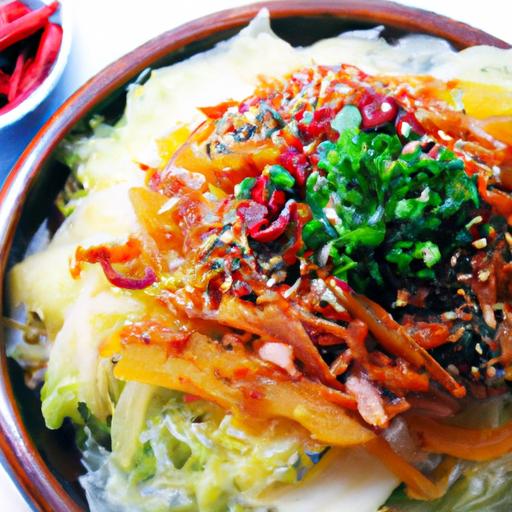
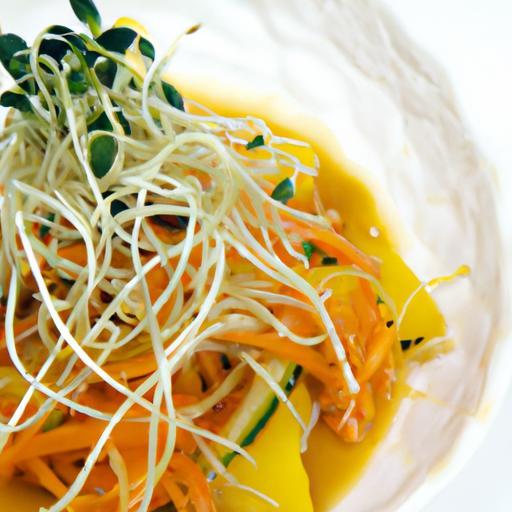
In today’s fast-paced world, Nutrient-Rich Meals have become essential to sustain energy, balance health, and nourish both body and mind. Korea’s culinary landscape stands out as a treasure trove of Nutrient-Rich Meals, where flavor meets function in every dish. From the sizzling aroma of kimchi fried rice to the comforting depth of seaweed soup, Korean cuisine celebrates the beauty of Nutrient-Rich Meals that are crafted to fuel your day naturally. Each bite tells a story of balance — blending ancient wisdom with modern vitality, reminding us that eating well is the most delicious form of self-care.
As we explore the heart of Korean traditions, Nutrient-Rich Meals reveal their timeless charm. Rooted in harmony and balance, these dishes exemplify how food can be both healing and indulgent. The colors, textures, and aromas of Korean staples — from spicy stews to delicate side dishes — create Nutrient-Rich Meals that energize, cleanse, and comfort. Each plate, bursting with fermented flavors and natural ingredients, demonstrates that Nutrient-Rich Meals are not just food but a celebration of wellness passed down through generations.
Among the many treasures of this cuisine, Bibimbap shines as a true icon of Nutrient-Rich Meals. Originating from Jeonju, it combines crisp vegetables, hearty grains, tender proteins, and rich gochujang sauce in one harmonious bowl. This colorful masterpiece embodies what Nutrient-Rich Meals stand for — balance, freshness, and nourishment. Whether enjoyed at sunrise or sunset, these Nutrient-Rich Meals fuel both body and spirit, connecting you to a culinary tradition where health and flavor are inseparable. Embrace the Korean art of living well through food, and let every bite inspire lasting energy and joyful well-being.
Fuel Your Day: Exploring Korea’s Nutrient-Rich Meals opens the door to an enticing world of wholesome, vibrant palate-pleasers deeply rooted in centuries of tradition. One of the most celebrated staples in Korean cuisine is Bibimbap – a colorful, nutrient-packed bowl blending fresh vegetables, protein, and fermented goodness that awakens the senses and nourishes the body. Originating from the Jeonju region, Bibimbap’s beauty lies not only in its harmonious flavors but also in how it effectively balances vitamins, minerals, and antioxidants essential for daily vitality.
Prep and Cook Time
Prep Time: 20 minutes | Cook Time: 15 minutes
Yield
Serves 2-3 hearty portions
Difficulty Level
Medium – approachable for adventurous home cooks ready to embrace fresh ingredients and traditional Korean techniques
Ingredients
- 2 cups cooked short-grain white rice,warm
- 100g spinach,blanched and squeezed
- 100g soybean sprouts,blanched
- 1 medium carrot,julienned
- 4 shiitake mushrooms,sliced
- 150g ground beef (or firm tofu for a vegetarian option)
- 2 cloves garlic,minced
- 2 eggs,sunny side up
- 2 tbsp soy sauce,divided
- 1 tbsp sesame oil,plus extra for garnish
- 1 tbsp vegetable oil
- 1 tsp sugar
- 1 tbsp gochujang (Korean fermented chili paste)
- 1 tsp toasted sesame seeds
- Salt and pepper to taste
Instructions
- Prepare the vegetables: Lightly sauté the julienned carrots in 1 tsp vegetable oil over medium heat for 3 minutes until tender-crisp. Season with a pinch of salt and set aside.
- Cook mushrooms: Sauté shiitake mushrooms in 1 tsp vegetable oil for 5 minutes until soft and golden. Add 1 tsp soy sauce and a pinch of sugar, cook for 1 more minute. Set aside.
- Season spinach and sprouts: Toss each with ½ tbsp sesame oil, ½ minced garlic clove, and a pinch of salt separately. Keep the flavors distinct for a vibrant bite.
- Cook the beef: In a hot pan, sauté minced garlic with ground beef until browned and fragrant, about 5 minutes. Add 1 tbsp soy sauce, ½ tsp sugar, salt, and pepper. Stir well and cook through.For tofu, crumble and pan-fry with the same seasonings.
- Fry the eggs: In a non-stick pan, fry the eggs sunny side up with a drizzle of sesame oil for a fragrant finish. The runny yolk will enrich the dish perfectly.
- Assemble the Bibimbap bowl: Scoop warm rice into serving bowls. Arrange each vegetable and protein component in colorful sections atop the rice. Place the fried egg in the center.
- Garnish and serve: Add a dollop of gochujang on the side, sprinkle toasted sesame seeds, and drizzle with a little extra sesame oil. Let your guests mix everything together to enjoy the full spectrum of flavors and textures.
Tips for Success
- Customize your veggies: Feel free to swap or add seasonal greens like zucchini, bean sprouts, or cucumber for additional crunch and nutrients.
- Control spice level: Adjust gochujang quantity to suit your heat preference; mixing it with a little honey or sesame oil mellows intense spice.
- Make ahead: Pre-cook vegetables and protein components, then refrigerate separately for up to 2 days. Simply reheat and assemble when ready.
- Use quality ingredients: Fresh produce and authentic Korean staples like gochujang and sesame oil elevate this dish from good to unforgettable.
- For authentic texture: Always use short-grain rice for its sticky, chewy consistency that holds toppings beautifully.
Serving Suggestions
Present Bibimbap in earthenware bowls or rustic ceramic plates to highlight the vibrant colors.Garnish with fresh green onions or a sprinkle of nori strips for an extra umami punch. Serve alongside a small bowl of homemade kimchi to deepen fermentation probiotics and balance flavors. Complement with a chilled glass of barley tea for a refreshing traditional touch.
| Nutrient | Per Serving |
|---|---|
| Calories | 480 kcal |
| Protein | 28g |
| Carbohydrates | 52g |
| Fat | 15g |

This dish exemplifies the essence of fuel your day: exploring Korea’s nutrient-rich meals by marrying tradition with nutrition. With its balance of wholesome ingredients and layers of flavor, Bibimbap is more than food-it’s an experience that energizes your body and captivates your soul.
Discover more nutrient-packed Korean recipes like Kimchi Jjigae to continue your healthy culinary journey through Korea’s vibrant food landscape.
Q&A
Q&A: Fuel Your Day – Exploring Korea’s Nutrient-Rich Meals
Q1: What makes Korean meals particularly nutrient-rich compared to other cuisines?
A1: Korean cuisine is a vibrant mosaic of fresh vegetables, fermented foods, lean proteins, and whole grains-all expertly balanced to deliver a powerhouse of nutrients. The emphasis on fermentation,like in kimchi and doenjang,not only enhances flavor but also boosts probiotics that support digestion and immunity. Plus, meals often combine a rainbow of ingredients, ensuring a wide spectrum of vitamins, minerals, and antioxidants with every bite.
Q2: Can you highlight some staple Korean dishes that are especially good for fueling energy throughout the day?
A2: Certainly! Bibimbap is a perfect example-a colorful bowl of rice topped with assorted sautéed vegetables, lean meat or tofu, and a spicy gochujang sauce, delivering carbohydrates, protein, fiber, and healthy fats in harmony. Another star is Samgyetang, a nourishing ginseng chicken soup that invigorates the body with protein, amino acids, and herbal nutrients. And don’t overlook Japchae, stir-fried glass noodles with vegetables and protein, offering a satisfying and wholesome meal option.
Q3: How does fermentation in Korean cuisine contribute to overall health?
A3: Fermentation transforms ordinary ingredients into dynamic superfoods. Kimchi, perhaps Korean cuisine’s most famous fermented food, is rich in lactobacillus bacteria which support gut health, improve digestion, and bolster immunity.Fermentation also increases bioavailability of nutrients, meaning your body can better absorb vitamins and minerals. This ancient tradition adds depth of flavor while boosting nutritional value-a win-win for your palate and your health.
Q4: Is Korean cuisine adaptable for those seeking vegetarian or vegan nutrient-rich meals?
A4: Absolutely! Korean cuisine offers a bounty of plant-based options. Manny dishes revolve around hearty vegetables, tofu, mushrooms, and legumes. For example, doenjang jjigae (fermented soybean paste stew) can be prepared without meat, providing probiotics and plant proteins. Bibimbap can be made vegan by omitting the egg and meat while still offering a nutrient-packed, vibrant meal. With an abundance of vegetable side dishes (banchan), Korean meals cater beautifully to both vegetarians and vegans.
Q5: What role does balance play in Korean meals when it comes to nutrition?
A5: Balance is the beating heart of Korean food culture. Meals harmonize flavors, textures, and food groups to create a holistic nutritional experience. the traditional Korean meal setup includes steamed rice (carbohydrates), multiple banchan (vegetables and fermented items), a protein dish, and soup. This approach ensures not just calorie intake but a thoughtful blend of macro- and micronutrients that sustain energy, promote digestion, and support overall wellness throughout your day.
Q6: How can someone outside Korea incorporate these nutrient-rich meals into their daily routine?
A6: Start small-and appetizing! Try making your own kimchi or incorporating a simple bibimbap bowl for lunch. Utilize fermented condiments like gochujang and doenjang to elevate dishes and add health benefits. Embrace the concept of banchan by adding assorted steamed or pickled vegetables to your meals. Explore local Asian markets or online stores for Korean ingredients,and don’t be afraid to blend Korean elements with your favorite dishes. Before you know it, you’ll be fueling your day the Korean way!
Fuel your day with the vibrant flavors and rich nutrition of Korean meals-a delicious adventure for your taste buds and your well-being.
In Conclusion
As the sun rises over bustling markets and quiet kitchen tables alike, Korea’s nutrient-rich meals stand ready to fuel your day with vibrant flavors and wholesome goodness.From the comforting warmth of a steaming bowl of galbitang to the crisp, refreshing bite of seasoned vegetables, each dish tells a story of balance, tradition, and nourishment. embracing these culinary treasures is more than just feeding the body-it’s a way to connect with a culture that honors food as both medicine and party. So next time you seek energy and vitality, look no further than Korea’s time-honored plates, where every bite is a step toward a healthier, more energized you.