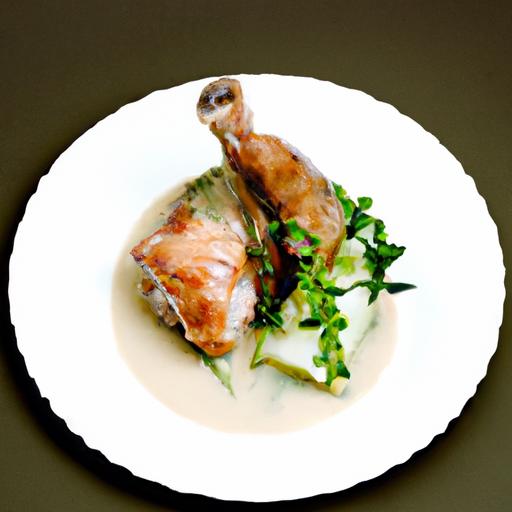
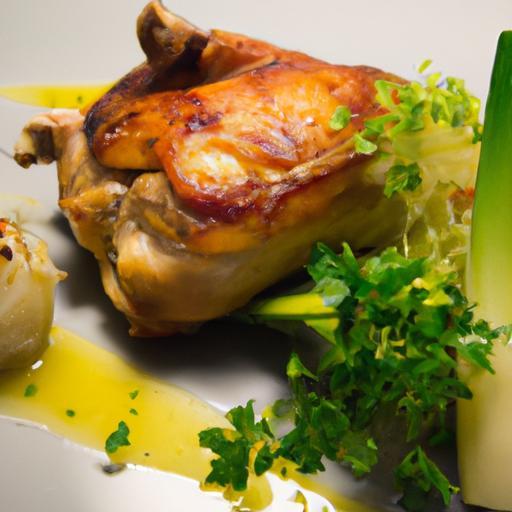
In the world of culinary techniques, few methods evoke the same blend of tradition, patience, and richly layered flavor as confit. This age-old practice, originating from the rustic kitchens of France, transforms humble cuts of meat and vibrant vegetables into tender, melt-in-your-mouth masterpieces through slow cooking and preservation in fat. But confit is more than just a cooking style-it’s an art form that unlocks a symphony of textures and tastes often hidden beneath the surface of everyday ingredients.Join us as we delve into the slow-cooked flavor secrets of confit, revealing how time, temperature, and technique come together to create exquisite dishes that celebrate both heritage and indulgence.
unlocking the Art of confit is a culinary journey that takes you deep into the world of slow-cooked richness and tender textures, a technique refined over centuries to coax out unparalleled flavor and succulence from humble ingredients. Originating from the rustic kitchens of southwestern France, confit transforms meats and vegetables through a gentle, fat-submerged cooking process that yields dishes bursting with depth and comfort. Whether you’re seeking to elevate an everyday meal or impress at your next dinner party,mastering this technique brings a timeless elegance to your culinary repertoire.
Prep and Cook Time
- Preparation: 20 minutes
- Cooking: 3 to 4 hours (slow-cooked)
- total time: Approximately 4 hours
Yield
Serves 4 hearty portions
Difficulty Level
Medium – requires patience and attentive slow-cooking
Ingredients
- 4 duck legs, skin on and trimmed
- 1 quart duck fat (enough to fully submerge the meat)
- 4 cloves garlic, crushed
- 2 sprigs fresh thyme
- 2 sprigs fresh rosemary
- 1 bay leaf
- 1 tablespoon sea salt
- Freshly ground black pepper, to taste
- Optional: 1 teaspoon crushed pink peppercorns
- Vegetables for confit (optional): baby carrots, pearl onions, or fingerling potatoes, peeled and trimmed
Instructions
- Prepare the duck legs by patting them dry. Rub sea salt and freshly ground black pepper all over the meat, massaging spices under the skin for maximum flavor infusion. Cover and refrigerate for 12 to 24 hours to cure gently.
- Preheat your oven to a low 225°F (105°C). Rinse the duck legs lightly to remove excess salt, then pat dry thoroughly with paper towels.
- In a heavy oven-safe pot, melt the duck fat over low heat. Add the crushed garlic, thyme, rosemary, bay leaf, and optional pink peppercorns for aromatic enhancement.
- submerge the duck legs completely in the warm fat. The fat should just cover the meat, so add more if necessary.
- Transfer the pot to the oven and cook slowly for 3 to 4 hours,until the meat is tender and easily pulls away from the bone. Keep the temperature low to avoid drying out or crisping the meat.
- Once cooked, remove the pot from the oven. Let the duck legs cool in the fat to room temperature. This resting time allows the fat to penetrate and preserve the meat beautifully.
- For longer storage, transfer the duck legs and fat to airtight jars. Refrigerate for up to one month-this also mellows the flavor.
- To serve, gently reheat the confit duck legs in a skillet skin-side down to crisp up the skin. Sauté for 5 to 7 minutes until golden and crunchy, enhancing both texture and presentation.
Tips for Success
- Ingredient quality matters: Seek out fresh duck legs and high-quality duck fat, or substitute with goose fat for authentic results.
- Slow and steady wins: Keep your oven temperature low and consistent to prevent drying and ensure tender meat.
- Herb variations: Try adding orange zest or juniper berries to the fat for exciting aromatic layers.
- Vegetable confit: Use the same technique for pearl onions or carrots, cooking them gently until meltingly tender in olive oil or duck fat.
- Advance prep: Confit is a brilliant make-ahead dish-cooked once, enjoyed throughout the week with minimal effort.
Creative Twists and Serving Suggestions
Contrast the rich, unctuous duck confit by serving it atop a bed of silky root vegetable purée. Garnish with crisp microgreens and drizzle with a tart cherry reduction for a sophisticated balance of flavors and textures.Alternatively, create rustic confit salads with peppery arugula, toasted walnuts, and shavings of aged Parmesan. For a casual feast, pair the confit with rustic country bread and tangy grainy mustard to cut through the fat’s richness.

| Nutrient | Per Serving |
|---|---|
| calories | 650 kcal |
| Protein | 40 g |
| Carbohydrates | 2 g |
| Fat | 55 g |
For more inspiration on slow-cooking methods and flavor pairings,consult Serious Eats’ in-depth guide to confit-a trusted resource for culinary enthusiasts.
Q&A
Q&A: Unlocking the Art of Confit – Slow-Cooked Flavor Secrets
Q1: what exactly is confit, and why has it stood the test of time?
A: Confit is an age-old method of preserving meat-traditionally duck or pork-by slow-cooking it in its own fat at a low temperature for several hours. This technique not only tenderizes the meat but also infuses it with deep,rich flavors and creates a luscious texture. Its longevity is owed to this dual purpose of preservation and flavor enhancement, making it a treasured culinary art passed down through generations.
Q2: How does cooking meat “in confit” differ from other slow-cooking methods?
A: Unlike braising or roasting, confit relies on submerging meat completely in fat and gently cooking it at a low temperature, usually around 85-95°C (185-203°F). This fat acts as both a cooking medium and a sealant, protecting the meat from air and moisture loss. The result is an irresistibly tender, juicy piece that practically melts in your mouth, with a nuanced depth that slow roasting or stewing can’t quite replicate.
Q3: Can confit be made with other ingredients besides duck?
A: Absolutely! While duck legs is traditional stars of the confit world, the technique is wonderfully versatile. Chicken thighs, garlic cloves, even vegetables like tomatoes or garlic bulbs can be prepared confit-style. The key is slow cooking in fat or oil, which imparts sweetness, rounds off harsh edges, and elevates natural flavors beyond anything swift-cooking can achieve.
Q4: What’s the secret to achieving the perfect confit texture?
A: Patience is everything. Low and slow wins the race here. Cooking at a gentle temperature prevents the meat from drying out or toughening. Also, ensuring the meat is fully submerged in fat creates a gentle, uniform heat that slowly breaks down connective tissues. After cooking, letting the confit cool in the fat helps lock in moisture and preserves the delicately soft texture that defines this dish.
Q5: How should confit be served to showcase its flavor and texture?
A: Confit can shine in countless ways! Traditionally, duck confit is crisped up in a pan to render out excess fat and create a golden, crackling skin-an irresistible contrast to the tender meat. It pairs beautifully with rustic potatoes, fresh greens, or a tangy fruit compote. But don’t stop there-try it shredded in salads, folded into pasta, or even atop a buttery toast for a luxurious bite.
Q6: Are there any modern twists or innovations on the classic confit method?
A: Definitely! Chefs today experiment with diffrent fats-olive oil, coconut oil, or even flavored infused oils-to impart unique aromas. Some explore confiting plant-based items, unlocking new textures and tastes. Others use sous-vide technology to precisely control the slow-cooking temperature for even more consistent results.The essence remains the same: slow, gentle cooking that unlocks bold flavors hiding within humble ingredients.
Q7: What makes confit such a powerful technique for home cooks to master?
A: Confit invites a slow-down in a fast-paced kitchen, offering a meditative cooking experience with deeply rewarding results. It’s a technique that empowers cooks to transform everyday ingredients into luxurious dishes with minimal hands-on time. Plus, homemade confit keeps well and lends itself to improvisation, making it an invaluable tool in your culinary repertoire.
unlocking the art of confit is like discovering a secret flavor vault-once you’ve mastered the slow-cooked magic of fat and time, a world of sumptuous, melt-in-your-mouth dishes awaits. Slow down, submerge, and savor the journey!
The Way Forward
As you embark on your own confit journey, remember that this ancient technique is more than just a method-it’s a party of patience, precision, and the transformative power of slow cooking.Unlocking the art of confit reveals a world where humble ingredients evolve into luscious, melt-in-your-mouth masterpieces, whispering stories of tradition and flavor with every bite. So take your time, embrace the gentle rhythm of slow heat, and savor the rich rewards that only confit can deliver. Your taste buds will thank you, and your kitchen will become a sanctuary of timeless culinary magic.