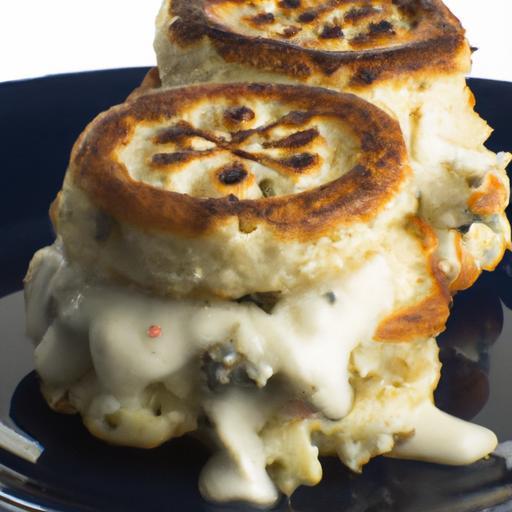
There’s something undeniably enchanting about crumpets-their golden, porous surface dotted with tiny craters just waiting to be kissed by melting butter. Yet, achieving that perfect balance of lightness, chewiness, and crumb can feel like an elusive art. Whether you’re a breakfast enthusiast craving the ideal morning treat or a curious cook eager to elevate your baking repertoire, mastering crumpets is a culinary adventure worth embarking upon. In this step-by-step guide, we’ll unravel the secrets behind these humble British delights, transforming a modest batter into a stack of warm, pillowy perfection. Prepare to dive deep into techniques,tips,and tricks that will have you flipping flawless crumpets in no time.
Mastering crumpets is an art form that begins long before the batter hits the griddle. The secret lies in selecting the ideal ingredients that promote a light,airy texture and a tantalizing golden crust. For a truly fluffy crumpet, choosing the right flour, yeast, and liquid base is essential, as they work together to create that characteristic bubble-studded surface and tender crumb.
Choosing the Ideal Ingredients for Fluffy Crumpets
The foundation of any exceptional crumpet starts with all-purpose flour; ensure it’s sifted to keep the batter smooth and free of lumps. A combination of strong bread flour can elevate the chewiness, but stick with all-purpose if you prefer a softer bite. Instant dry yeast is preferred for its dependable rise, while a touch of baking powder adds that final lift for extra fluffiness. The liquid base traditionally blends warm milk and water for balance – milk lends richness, while water lightens the texture.
- 1 cup all-purpose flour, sifted
- 1/2 cup strong bread flour (optional for extra chewiness)
- 1 tsp instant dry yeast
- 1/2 tsp baking powder
- 3/4 cup warm milk (110°F/43°C)
- 1/4 cup warm water (110°F/43°C)
- 1 tsp sugar
- 1/2 tsp salt
- Butter or oil, for cooking
Mixing and Resting Techniques to Perfect your Batter
The magic of crumpet batter lies in patience. After combining the yeast, sugar, and warm milk-water mix, allow it to bloom – this awakens the yeast, releasing a subtle aroma that signals a promising rise. Gently fold in the flours and salt, stirring just until smooth; overmixing can develop gluten, resulting in dense crumpets.
Resting the batter for at least 45 minutes to 1 hour is key. During this time, bubbles form, and the batter thickens to a creamy, pourable consistency dotted with tiny air pockets. These bubbles will determine your crumpets’ classic holes, the spot where butter pools meltingly good after cooking.
Mastering the Art of Cooking Crumpets on the Griddle
Achieving those perfect, golden edges and characteristic holes requires a steady, medium-low heat and a well-greased non-stick skillet or cast iron griddle. Use crumpet rings (or clean metal cookie cutters) coated with oil to maintain shape and height. Pour batter to about 3/4 full into each ring; the batter should slowly bubble on the surface without overflowing.
Cook uncovered for 8-10 minutes or until the top sets and is speckled with holes. Then, carefully remove the rings and flip the crumpets for a speedy golden toast on the underside-just 1-2 minutes. Avoid pressing down; the air inside is what keeps them fluffy and light.
Enhancing Flavor with Toppings and Serving Suggestions
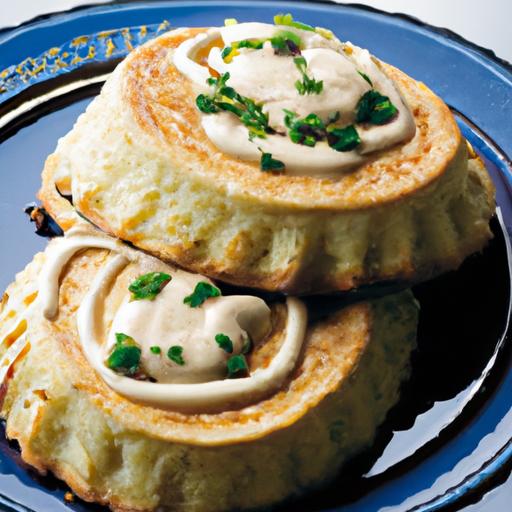
While crumpets are heavenly simply buttered, elevating them with thoughtful toppings turns breakfast or teatime into an aromatic journey. Traditional accompaniments like clotted cream, honey, or tangy lemon curd complement their mild flavor beautifully. For a savory twist, try topping with smoked salmon, cream cheese, and fresh dill.
When plating, stack crumpets warm and allow butter to melt slowly into the nooks. Garnish with a light sprinkle of freshly chopped herbs, a dusting of powdered sugar for sweet versions, or a few fresh berries for bursts of color and freshness.
Prep and Cook Time
- Prep Time: 15 minutes
- Resting Time: 1 hour
- Cook Time: 15 minutes
- Total Time: 1 hour 30 minutes
Yield
- 8 medium-sized crumpets
Difficulty Level
- Medium – requires precise timing and temperature control
Ingredients
- 1 cup all-purpose flour, sifted
- 1/2 cup strong bread flour (optional)
- 1 tsp instant dry yeast
- 1/2 tsp baking powder
- 3/4 cup warm milk (110°F/43°C)
- 1/4 cup warm water (110°F/43°C)
- 1 tsp sugar
- 1/2 tsp salt
- Butter or oil for cooking
Instructions
- Activate the yeast: In a large bowl, combine warm milk, warm water, sugar, and yeast. Stir gently, then set aside for 5-10 minutes until frothy.
- Prepare the batter: Sift the flours,baking powder,and salt into the yeast mixture.Fold with a whisk or spatula until just combined into a smooth, thick batter-avoid overmixing to keep crumpets fluffy.
- Rest: Cover the bowl with a clean kitchen towel and let the batter rest in a warm spot for 45-60 minutes. The surface should bubble and rise slightly.
- Preheat the pan: Heat a non-stick skillet or griddle over medium-low heat and lightly butter it. Grease crumpet rings or metal molds to prevent sticking.
- Cook the crumpets: Place the rings on the pan and pour batter until they fill about 3/4 of the ring’s height.Cook uncovered for 8-10 minutes until the batter is set and bubbling holes appear on top.
- Remove rings and flip: Gently lift the rings off with tongs or a fork. Flip crumpets and cook for an additional 1-2 minutes until the undersides are golden and crisp.
- Serve warm: Stack or plate immediately and spread with butter or your favorite toppings.
Tips for Success
- Temperature is key: Too hot will burn the base before the middle cooks; too low won’t create bubbles.
- Loose batter consistency: The batter should pour slowly but hold its shape-not runny like pancake batter.
- Use fresh yeast: For the best rise and flavor, always check the expiration on your yeast packet.
- Make-ahead option: Batter can be prepared the night before and refrigerated; bring to room temperature before cooking.
- experiment with flours: adding a small portion of whole wheat or rye gives a nutty depth but maintain mostly white flour for fluffiness.
Serving Suggestions
- Warm crumpets with dripping butter and a drizzle of golden honey.
- Layered with clotted cream and a spoonful of tangy lemon curd for a classic British teatime treat.
- Topped with smoked salmon,crème fraîche,and fresh dill for a savory brunch option.
- Sprinkled with cinnamon sugar or served with seasonal fruit compote for a sweet twist.
- Paired with a cup of strong black tea or freshly brewed coffee to complete the experience.
| Nutrient | Per Crumpet (approx.) |
|---|---|
| Calories | 120 kcal |
| Protein | 4 g |
| Carbohydrates | 22 g |
| Fat | 2 g |

For a deeper dive into the history and variations of crumpets, visit British Food Heritage. If you’re eager to expand your baking skills, explore our article on how to make perfect pancakes – another fluffy delight!
Q&A
Q&A: Mastering Crumpets – A Step-by-Step Guide to Perfection
Q1: What makes crumpets different from other breads or pancakes?
A1: Crumpets are a delightful hybrid-part bread, part pancake-that boast a unique, holey texture perfect for soaking up butter and jam. Unlike fluffy pancakes, crumpets have a spongy, chewy crumb created by a batter that ferments and bubbles during cooking, giving them their signature cratered surface.
Q2: Why is mastering the batter crucial in making perfect crumpets?
A2: The batter is the heart of crumpet magic! It needs the right balance of flour, liquid, yeast, and sometimes a bit of baking soda. Too thick, and the crumpets won’t bubble properly; too thin, and they spread too much. Achieving that perfect consistency ensures the bubbles rise steadily, creating the iconic holes.
Q3: Can I make crumpets without yeast?
A3: While traditional crumpets rely on yeast for fermentation and flavor depth,you can experiment with baking powder as a quick choice. However, skipping yeast may result in less complex flavor and fewer bubbles-so for authentic texture and taste, yeast remains your best friend.
Q4: How vital is the cooking temperature?
A4: Crucial! Cooking crumpets on a moderate heat allows the batter to gently set, letting bubbles rise and pop, forming the signature holes on top. Too high, and the bottoms may burn before the centers cook; too low, and they turn rubbery and dense. A steady medium-low heat is the golden rule.
Q5: What’s the best way to cook crumpets to achieve that perfect golden crust?
A5: Use metal crumpet rings for shape and consistency, preheated in a skillet. Pour batter inside, cover with a lid to trap steam, and cook gently until the tops have set holes and the bottoms are golden. Then,carefully flip or toast them to crisp the other side if preferred.
Q6: Can I add flavors or mix-ins to crumpets?
A6: Absolutely! While classic crumpets rely on simplicity, adding herbs, grated cheese, or spices to your batter can elevate the experience. Just be mindful that heavy mix-ins might alter the batter’s consistency and bubble formation.
Q7: What’s the secret to serving crumpets like a pro?
A7: Serve warm, spread generously with melting butter to flood the holes, then add sweet jams, honey, or savory toppings like smoked salmon and cream cheese. pair with a good cup of tea, and you’ve got a timeless treat.
Q8: How do I store leftover crumpets?
A8: Cool them entirely and store in an airtight container at room temperature for up to two days, or freeze for longer storage. Reheat them on a griddle or toaster to revive that crispy exterior and soft, spongy interior.
Q9: What common mistakes should I avoid?
A9: Watch out for batter that’s too thick or thin,overcooking on high heat,and using cold batter straight from the fridge. Also,don’t skip the resting period for the batter-it helps develop flavor and bubbles for that perfect texture.
Q10: Any final tips for mastering crumpets?
A10: Patience is your best ingredient. Embrace the slow bubbling, the gentle sizzling, and the waiting-it’s all part of crumpet artistry. Experiment, taste, and adjust, and soon you’ll be crafting golden, holey delights worthy of any tea table.
Wrapping Up
With your newfound knowledge and practiced hands, mastering crumpets is no longer a lofty aspiration but a delicious reality. Each golden, spongy bite tells a story of patience, technique, and a touch of culinary magic. Whether enjoyed plain with butter melting into every nook or adorned with your favorite toppings,these quintessentially British treats promise comfort and delight in every mouthful. So go ahead-embrace the art of crumpet-making, and let your kitchen become the birthplace of perfect crumpets that invite smiles, conversation, and cravings for more. Happy cooking, and even happier tasting!