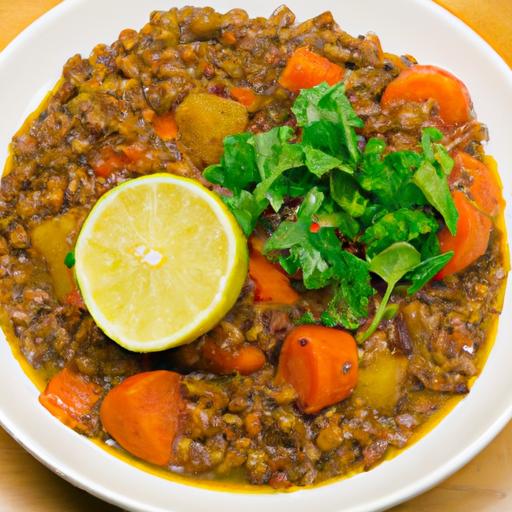



Nestled along the sun-kissed shores of East Africa, Tanzanian cuisine is a vibrant tapestry of rich aromas, bold spices, and comforting flavors. Among its many culinary treasures,the Coconut Lentil Stew stands out as a hearty,soul-warming dish that beautifully marries the creaminess of coconut milk with the earthy heartiness of lentils. This recipe invites you on a flavorful journey to Tanzania’s coast, where every spoonful tells a story of tradition, warmth, and the simple joy of sharing good food. Whether you’re a seasoned foodie or just discovering the wonders of African cooking, savoring this stew promises an unforgettable taste adventure you can recreate right in your own kitchen.
Savor the Flavors of Tanzanian Coconut Lentil Stew offers a vibrant journey into East African cuisine, blending hearty lentils with rich coconut milk and fragrant spices. Rooted in customary coastal cooking where coconuts thrive and lentils nourish, this stew embodies Tanzania’s rich cultural mosaic and culinary heritage. I recall first tasting it at a bustling market in Dar es salaam, where the creamy texture and warm spices instantly felt like a comforting hug from the Indian Ocean coast. This recipe brings that experience to your kitchen,perfect for sharing warmth on cooler nights or as a nourishing plant-based centerpiece.
Prep and Cook Time
- Planning: 15 minutes
- Cooking: 35 minutes
- Total: 50 minutes
Yield
Serves 4 generous portions
Difficulty Level
Easy to Medium – approachable for most home cooks and ideal for beginners eager to explore global flavors
Ingredients Needed for Authentic Tanzanian Coconut Lentil Stew
- 1 cup red lentils, rinsed thoroughly
- 1 can (14 oz) full-fat coconut milk
- 2 cups vegetable broth or water
- 1 medium onion, finely chopped
- 3 cloves garlic, minced
- 1 tablespoon fresh ginger, grated
- 2 medium tomatoes, diced
- 1 teaspoon turmeric powder
- 1 teaspoon cumin seeds
- 1 teaspoon coriander powder
- ½ teaspoon cinnamon
- ½ teaspoon smoked paprika (optional)
- 1 fresh green chili, sliced (adjust to heat preference)
- 2 tablespoons coconut oil or neutral oil
- Salt to taste
- Fresh cilantro for garnish
- Juice of 1 lime (optional, to brighten flavors)
Step by Step Guide to Achieving Creamy Texture and balanced Flavors
- Prep your base: Heat coconut oil in a large saucepan over medium heat. Add cumin seeds and toast until fragrant, about 1 minute.
- Sauté aromatics: Add chopped onion, garlic, and ginger. Cook until onion is translucent and golden, about 5-7 minutes, stirring frequently to build deep flavor.
- Build your spice profile: Stir in turmeric, coriander, cinnamon, and smoked paprika. cook for 1 minute, allowing spices to bloom and coat the aromatics.
- Add tomatoes and chili: Mix in diced tomatoes and sliced green chili, cooking until tomatoes soften and the mixture thickens, about 5 minutes.
- Combine lentils and liquids: Stir in rinsed lentils, then pour in vegetable broth and coconut milk. Bring the stew to a gentle boil, stirring occasionally to prevent sticking.
- simmer to perfection: Reduce heat to low and simmer gently for 25 to 30 minutes until lentils are tender and coconut milk has infused the dish with silkiness. Stir occasionally.
- Adjust texture and seasoning: if you prefer a thicker stew, simmer uncovered for an additional 5 minutes.Season generously with salt and finish with lime juice for a vibrant lift.
Tips for Customizing Your Tanzanian Coconut Lentil Stew to Suit Dietary Preferences and Enhance Aromatics
- Make it spicier: add extra green chilies or a pinch of cayenne pepper for a fiery kick.
- Protein boost: Stir in cooked chickpeas or cubed tofu during the last 10 minutes for added texture and nutrition.
- Low-fat option: Substitute coconut milk with light coconut milk or almond milk, noting this will slightly reduce creaminess.
- Herb aromatic twist: Experiment with fresh curry leaves or a stalk of lemongrass in the simmer for authentic coastal notes. Remove before serving.
- Make-ahead tip: this stew tastes even better the next day. Refrigerate and gently reheat with a splash of water or broth to restore creaminess.
Serving Suggestions
For a truly immersive Tanzanian experience, serve your coconut lentil stew steaming over fragrant basmati rice or warm ugali. Garnish generously with chopped fresh cilantro and a wedge of lime for an inviting pop of color and brightness. Add a side of roasted plantains or sautéed greens like kale or spinach for a complete, balanced meal bursting with textures and vibrant tastes. A dollop of coconut yogurt or a squeeze of chili sauce also pairs wonderfully.

| Nutrient | Per Serving |
|---|---|
| Calories | 320 kcal |
| Protein | 15 g |
| carbohydrates | 40 g |
| Fat | 12 g |
for more inspiration on plant-based stews that celebrate global flavors, check out our Ethiopian Spiced Lentil Stew. To deepen your culinary knowledge of African spice blends, visit National Geographic’s feature on african spices.
Q&A
Q&A: Savor the Flavors – Tanzanian coconut Lentil Stew Recipe
Q1: What makes Tanzanian Coconut Lentil Stew a unique and flavorful dish?
A1: Tanzanian Coconut Lentil Stew bursts with a harmonious blend of rich coconut milk, hearty lentils, and warm spices like turmeric, cumin, and cinnamon. This combination creates a creamy, aromatic, and deeply comforting dish that reflects the vibrant culinary traditions of East Africa.
Q2: Why are lentils a key ingredient in this Tanzanian stew?
A2: lentils are beloved in Tanzanian cuisine for their nutritional value and earthy flavor. They provide a marvelous protein-packed base that soaks up the fragrant spices and creamy coconut milk, resulting in a stew that is both satisfying and nourishing.
Q3: How does coconut milk influence the texture and taste of the stew?
A3: Coconut milk adds a silky, luscious texture coupled with a natural sweetness that balances the spices beautifully. It transforms the lentils into a velvety stew with tropical undertones, evoking the coastal flavors of Tanzania.
Q4: Can this stew be customized for different dietary preferences?
A4: Absolutely! This stew is naturally vegan and gluten-free, making it perfect for varied diets. You can adjust spice levels to taste or add veggies like spinach or tomatoes for extra color and nutrients, tailoring it to your preference.
Q5: What makes this recipe appealing for home cooks?
A5: The Tanzanian Coconut Lentil Stew is wonderfully straightforward, requiring simple pantry staples and minimal prep time. It’s a one-pot wonder that fills your kitchen with inviting aromas and yields a comforting meal, perfect for both weeknights and cozy gatherings.
Q6: How should one serve this stew to best enjoy its flavors?
A6: Serve it steaming hot over fluffy rice or with warm chapati bread to soak up every delicious drop. Garnish with fresh cilantro or a squeeze of lime for an extra burst of brightness that elevates the stew’s rich flavors.
Q7: What cultural significance does this dish hold in Tanzania?
A7: Coconut lentil stews are a reflection of Tanzania’s diverse culinary heritage, blending inland agricultural staples like lentils with coastal influences evident in the use of coconut milk and spices.It’s a hearty, wholesome dish that tells the story of tanzania’s vibrant food landscape.
Q8: Any tips for making the stew even more authentic?
A8: To deepen authenticity, try incorporating freshly ground spices or adding a touch of tamarind paste for a subtle tang.Cooking the lentils slowly allows the flavors to meld beautifully, giving you a stew that’s rich in tradition and taste.
Dive into this Tanzanian treasure and savor every spoonful of tradition, warmth, and tropical flair!
In Summary
As your kitchen fills with the rich aroma of Tanzanian coconut lentil stew, you’ve not only prepared a meal-you’ve embarked on a flavorful journey to East Africa’s vibrant heart.This dish, where creamy coconut meets hearty lentils and a symphony of spices, invites you to savor more than just food; it offers a taste of tradition, culture, and comfort. Whether enjoyed as a weeknight dinner or a centerpiece for sharing with loved ones, this stew promises warmth in every spoonful and a reminder that sometimes, the simplest ingredients create the most memorable flavors. So next time you crave something nourishing and adventurous, let this Tanzanian treasure guide your palate-and your creativity-beyond borders.