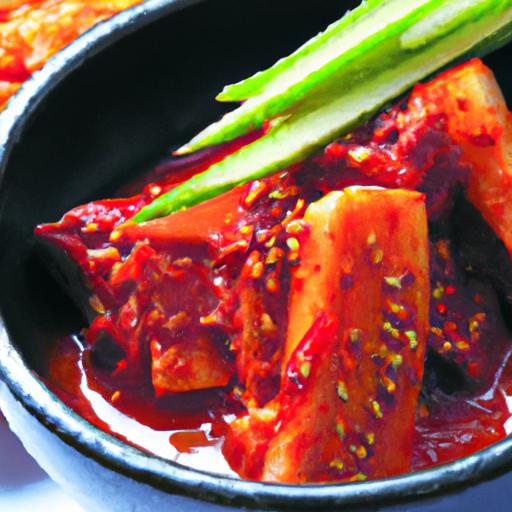
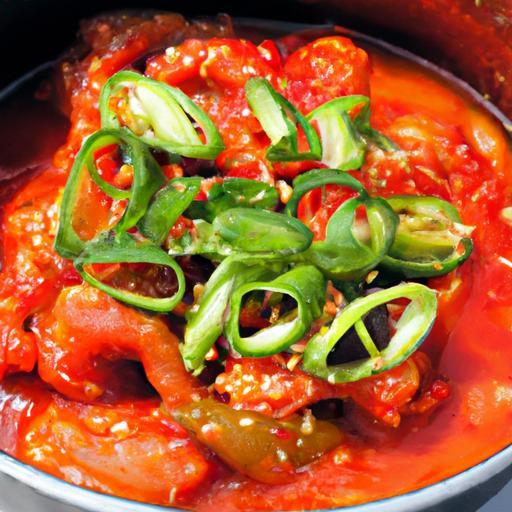
In the vibrant tapestry of Korean cuisine, Korean Chili Paste stands as the defining heartbeat of flavor—a bold, complex ingredient that embodies the very soul of the nation’s cooking. More than just a spicy condiment, Korean Chili Paste delivers heat, sweetness, umami, and tradition in every spoonful, making it essential to countless iconic dishes. From bibimbap to tteokbokki, each recipe comes alive when Korean Chili Paste is stirred in, adding depth that no other ingredient can replicate. As we explore the cultural roots of Korean Chili Paste, we uncover a tapestry woven with history, craftsmanship, and centuries of fermentation mastery. Whether drizzled into marinades or whisked into sauces, Korean Chili Paste transforms simple meals into vibrant creations bursting with life. Join us as we dive into the story of Korean Chili Paste, revealing why Korean Chili Paste remains a beloved staple across Korea and beyond.
Unlocking flavors with Korean Chili Paste is more than a cooking technique—it’s an immersive culinary journey. Each time Korean Chili Paste meets a dish, it infuses layers of heat, subtle sweetness, and deep umami that elevate every bite into a celebration of Korean tradition. My first encounter with Korean Chili Paste during a warm Korean family dinner revealed its power: the vibrant red hue, the velvety texture, and the unmistakable punch of flavor that lingered beautifully. Understanding how Korean Chili Paste is crafted through fermentation unlocks endless possibilities in your own kitchen. Whether you’re experimenting with stews, stir-fries, dipping sauces, or marinades, Korean Chili Paste opens the door to a world where creativity meets heritage. With Korean Chili Paste guiding your cooking, every dish becomes a bold, flavorful experience waiting to be savored.
Prep and Cook Time
- Planning: 10 minutes
- Cooking: 15 minutes (for recipes involving gochujang)
- Total Time: 25 minutes
Yield
Serves 4 as a main dish enhancer or condiment
Difficulty Level
Easy to Medium - perfect for cooks looking to elevate everyday meals with an authentic korean touch.
Ingredients
- 3 tablespoons gochujang (Korean chili paste)
- 1 tablespoon sesame oil, toasted preferred
- 1 tablespoon soy sauce (or tamari for gluten-free)
- 1 teaspoon honey or brown sugar
- 2 cloves garlic, finely minced
- 1 teaspoon rice vinegar for balanced acidity
- 1/4 cup water or broth to thin, optional
- Optional garnish: toasted sesame seeds, sliced scallions
Instructions
- Prepare the sauce base: In a small bowl, whisk together the gochujang, sesame oil, soy sauce, honey, garlic, and rice vinegar until smooth and glossy.Adding the honey softens heat while amplifying gochujang’s natural sweetness.
- Adjust consistency: Thin the mixture with water or broth one teaspoon at a time if you plan to use it as a dipping sauce or marinade. For a paste consistency, keep it thick and rich.
- Heat gently: When incorporating into cooked dishes, warm the sauce over medium-low heat until fragrant (about 3-5 minutes), stirring frequently to avoid burning. This step deepens flavor and mellows intense spice.
- Incorporate into dishes: Use this base for bibimbap toppings, stir into stews, glaze grilled meats, or drizzle over roasted vegetables.Remember, gochujang intensifies as it cooks-add gradually to taste.
- garnish and serve: Sprinkle with toasted sesame seeds and thinly sliced scallions for crunch and vibrant color before serving.
Tips for Success
- For authentic flavor, select fermented gochujang with a rich red color and slightly caramelized aroma. Avoid overly sweet commercial brands that lack depth.
- Store gochujang in the refrigerator tightly sealed. It keeps well for months and even improves with age.
- When substituting honey,maple syrup or brown rice syrup work well to maintain that delicate sweetness.
- If you wont to tone down the heat, blend gochujang with a spoonful of mild Korean miso or plain yogurt for creamy balance.
- Try making a make-ahead marinade for proteins the night before to allow flavors to penetrate deeply.
Serving Suggestions
Unlocking flavors with Korean chili paste transforms dishes visually and taste-wise. Serve your gochujang-infused creations over fluffy white rice or nutty brown rice for grounding contrast. Add julienned cucumber or pickled radish on the side to refresh the palate.
- Top bibimbap with a sunny-side-up egg and a drizzle of gochujang sauce for a stunning presentation.
- Use as a vibrant condiment alongside Korean fried chicken or grilled meats.
- Incorporate into stir-fried noodles with crunchy vegetables for bold layers of flavor.
Garnish with crunchy toasted sesame seeds, fresh scallions, or a sprinkle of seaweed flakes to elevate the visual appeal and add texture.
Nutritional Information
| Nutrient | Per Serving |
|---|---|
| calories | 45 kcal |
| Protein | 1 g |
| Carbohydrates | 10 g |
| Fat | 1.5 g |
Ready to explore more Korean flavors? Check out our Authentic Korean Bibimbap Recipe for a complete meal that highlights gochujang’s bold character. for further insight into the rich history behind fermented Korean chili paste, visit the official Korea Culture and Arts Foundation.

Q&A
Q&A: Unlocking Flavors: The Magic of Korean Chili Paste Explained
Q1: What exactly is Korean chili paste, and why is it so special?
A1: Korean chili paste, known as gochujang, is a savory-sweet-spicy fermented condiment that has been a cornerstone of Korean cuisine for centuries. Made from red chili powder, glutinous rice, fermented soybeans, and salt, gochujang is more than just heat-it’s a complex symphony of flavors that adds depth, umami, and a subtle sweetness, transforming simple dishes into unforgettable culinary experiences.
Q2: How dose fermentation influence the flavor of gochujang?
A2: Fermentation is where the magic truly happens. This time-honored process allows natural microorganisms to break down ingredients, developing rich layers of flavor. As gochujang ferments, it evolves from harsh chili heat into a mellow, tangy, and slightly sweet paste bursting with umami.The longer it ferments, the deeper and more nuanced its flavor becomes-sort of like edible alchemy in a jar.
Q3: Can you use Korean chili paste in dishes outside of customary Korean cuisine?
A3: Absolutely! While it’s essential in classics like bibimbap and tteokbokki, gochujang is wildly versatile. Add a spoonful to marinades, dressings, or sauces for an exciting twist. It pairs beautifully with grilled meats, roasted vegetables, even cheesy comfort foods. Think spicy-sweet-glazed wings or a fiery noodle stir-fry-gochujang can elevate nearly any dish with its signature bold personality.
Q4: Is Korean chili paste very spicy? What if I’m sensitive to heat?
A4: Gochujang brings heat,but it’s balanced by sweetness and umami,so it’s not just pure fire on the palate. For those sensitive to spice, using it sparingly or mixing it with milder ingredients can tame the heat without losing flavor. Plus, many brands offer varying levels of spice, so you can find a jar tailored to your taste buds.
Q5: How should I store gochujang to keep its flavor intact?
A5: Keep your gochujang in an airtight container in the refrigerator. This helps preserve its vibrant flavor and prevents spoilage. Thanks to fermentation, it has excellent shelf life, often improving in taste over time. Just give it a quick stir before use, and you’re ready to add a punch of flavor to any meal!
Q6: Can I make Korean chili paste at home?
A6: Yes, but it’s a labor of love! Traditional gochujang requires patience as fermentation can take weeks or months. Homemade versions involve cooking rice, mixing with chili powder and fermented soybean powder, then patiently aging the mixture. It’s a rewarding process for adventurous cooks wanting to dive deep into authentic Korean flavors, though most people conveniently pick up a ready-made jar from their local Asian market.
Q7: What makes gochujang different from other chili pastes or hot sauces?
A7: Unlike many chili pastes that focus primarily on heat, gochujang is multi-dimensional-its fermentation brings complex umami and sweet undertones, setting it apart. It’s not just spicy; it’s rich,slightly sticky,and deeply savory. This unique balance makes gochujang a culinary treasure, inviting cooks to explore heat wrapped in layers of flavor.
Unlocking the flavors of Korean chili paste is like embracing a vibrant,spicy story steeped in tradition,fermentation,and bold tastes. Whether you’re a kitchen novice or flavor adventurer, adding gochujang to your pantry unlocks endless delicious possibilities.
To Conclude
As we close the lid on our deep dive into the vibrant world of Korean chili paste, it’s clear that this humble condiment is much more than just a fiery addition to your meal. It’s a living tapestry of culture, tradition, and culinary artistry-each spoonful carrying the rich history and bold spirit of Korea.Whether stirred into stews, glazed on grilled meats, or simply dipped with vegetables, Korean chili paste unlocks a symphony of flavors that dance between heat, sweetness, and umami. So next time you crave a taste adventure, remember: behind that spicy red jar lies a magical ingredient ready to transform your dishes-and your palate-forever.