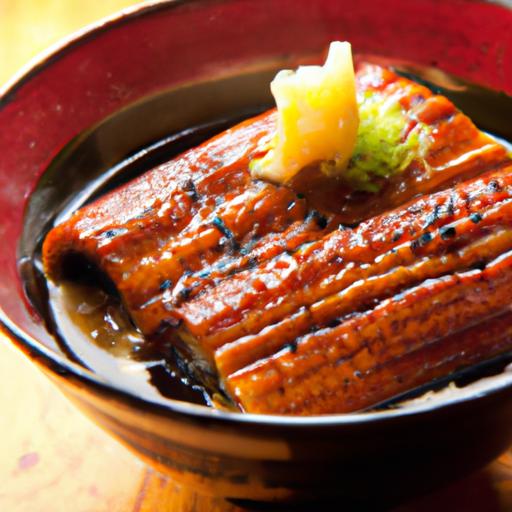
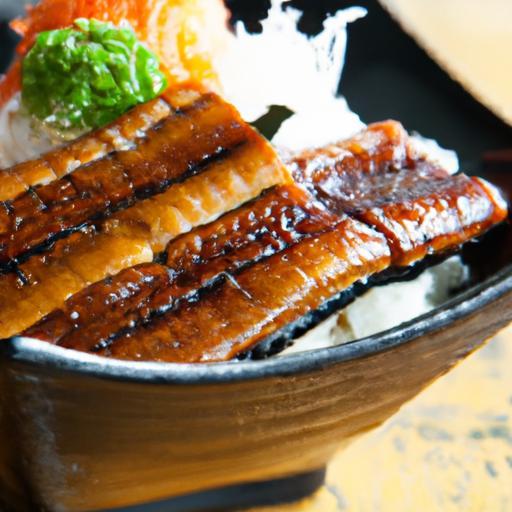
There’s something undeniably magical about a bowl of unadon-the rich, glazed eel resting atop perfectly steamed rice, a harmony of flavors that has captivated Japanese palates for centuries. More than just a meal, unadon is a culinary tradition that tells a story of craftsmanship, patience, and devotion to simplicity. In this article, we’ll dive deep into the art of mastering the ultimate Japanese eel bowl recipe, revealing the secrets behind tender, buttery eel and the luscious tare sauce that makes each bite unforgettable. Whether you’re a seasoned home cook or a curious food adventurer,prepare to embark on a flavorful journey that transforms humble ingredients into a transcendent dining experience.
Understanding the Tradition and Cultural Importance of Unadon
Mastering Unadon means more than just perfecting a recipe-it’s about honoring a cherished Japanese culinary tradition that dates back to the Edo period. Unadon, or grilled eel over rice, is revered not only for its rich flavor but also for its deep cultural symbolism. historically, eel was consumed in Japan during the hot summer months, especially on Doyo no Ushi no Hi, believed to restore stamina and vitality amid sweltering heat. This beloved dish reflects a harmony of delicate techniques and bold flavors that have been passed down through generations, connecting us to centuries of Japanese heritage.
Selecting the Perfect Eel and Essential Ingredients for Authentic Flavor
Choosing premium fresh eel is the foundation of truly mastering Unadon. Opt for a medium-sized Japanese eel (unagi) with firm flesh and a glossy skin-signs of freshness and quality. Frozen eel can suffice, but thaw it slowly to preserve texture and moisture. For an authentic flavor profile, key ingredients go beyond just eel. You’ll need polished Japanese short-grain rice, which provides that characteristic sticky and tender bed for the eel to sit on. Don’t underestimate the impact of your sauce-the sweet soy-based tare is the heart of this dish, seasoning both the eel and the rice with its smoky-savory layers.
step by Step Guide to Preparing and grilling the Eel to Perfection
- Prep the eel: Rinse the eel gently under cold water and pat dry with paper towels. If using whole eel, fillet it carefully or ask your fishmonger to do so. Score the skin lightly to encourage even cooking and prevent curling.
- Steam (optional): For the classic Kanto-style Unadon, briefly steam the eel before grilling. This tenderizes the meat and reduces excess fat, resulting in a soft, melt-in-mouth texture.
- Prepare your grill: Heat a charcoal or wire mesh grill over medium-high heat until it’s hot but not smoking. Brush the grill lightly with oil to keep the eel from sticking.
- Grill the eel: Place the eel fillets skin-side down and cook for 3-4 minutes. Flip carefully using tongs, then brush with a generous layer of tare sauce. Grill for another 3-4 minutes, adding more sauce every minute to build a glossy lacquered finish.
- Rest the grilled eel: let the eel rest for 2 minutes to seal in the juices before slicing into bite-sized pieces.
Crafting the Signature Sweet Soy Sauce That defines Unadon
No element defines Unadon like the sweet soy sauce tare. This sauce balances savory soy with sweet mirin and sugar, enriched by the deep umami notes of sake and optionally, dashi. it’s a layered concoction that caramelizes beautifully on the eel,infusing each bite with signature warmth and sweetness.
- Combine 1/2 cup soy sauce, 1/4 cup mirin, 1/4 cup sake, and 3 tablespoons sugar in a small saucepan.
- Bring to a simmer over medium heat, stirring until the sugar dissolves fully.
- Reduce the heat to low, cooking gently until the sauce thickens slightly and coats the back of a spoon (about 10-15 minutes).
- Cool to room temperature before using. Store leftovers in an airtight container refrigerated for up to two weeks.
Prep and Cook Time
- Preparation: 20 minutes
- Cooking: 15-20 minutes
- Total: 40 minutes
Yield
Serves 2 generous portions
Difficulty Level
Medium – requires attention to technique and timing
Ingredients
- 2 fillets of fresh or thawed Japanese eel (unagi), approx. 150g each
- 1 1/2 cups Japanese short-grain rice, rinsed and cooked
- For the tare sauce:
- 1/2 cup soy sauce
- 1/4 cup mirin (sweet rice wine)
- 1/4 cup sake
- 3 tablespoons granulated sugar
- 1 tablespoon vegetable oil (for grilling)
- Optional garnish: Sansho pepper, chopped green onions, toasted sesame seeds
instructions
- Cook the rice: Prepare short-grain rice according to package instructions, or use a rice cooker. Keep warm while preparing eel.
- Make the tare sauce: Combine soy sauce, mirin, sake, and sugar in a small saucepan. Heat gently, stirring until sugar dissolves, then simmer till slightly thickened. Set aside to cool.
- Prepare eel fillets: Rinse and pat dry. Score lightly on the skin side with a sharp knife to prevent curling and to absorb sauce better.
- Optional steaming step: Steam fillets for 5 minutes on medium heat to tenderize.
- Heat the grill: Preheat a grill or broiler to medium-high and lightly oil the grates.
- Grill the eel: Place skin side down and cook 3-4 minutes. Flip, brush with tare sauce, and grill another 3-4 minutes, brushing every minute to glaze.
- Slice and rest: Remove fillets and let rest 2 minutes before slicing into strips.
- Assemble the bowl: Place a generous serving of warm rice in each bowl.Lay sliced eel on top, drizzle with extra tare, and sprinkle with sansho or green onions if using.
- Enjoy immediately: Serve with pickled ginger or a light miso soup to balance richness.
Tips for Success
- Quality eel is key: Seek fresh or flash-frozen unagi from reputable suppliers to avoid overly fishy flavors.
- Control the grill heat: Medium-high heat ensures a crisp exterior without drying the meat.
- Layer the tare sauce carefully: Multiple thin coats produce a glossy, sticky finish rather than a burnt glaze.
- Make sauce ahead: The tare improves in flavor if made a day ahead and refrigerated.
- Steaming step: customary in eastern Japan, this step results in a delicate texture but can be omitted for a chewier style.
- Storage: Leftover grilled eel tastes great cold or reheated gently in the oven with extra sauce.
Serving Suggestions
Present Unadon in traditional ceramic donburi bowls to highlight its rustic elegance. Garnish with a sprinkle of sansho pepper to introduce a subtle citrusy heat that contrasts the sweet sauce. Freshly chopped green onions or toasted white sesame seeds add texture and luminous flavors. Pair with a crisp side of classic miso soup and pickled vegetables for a well-rounded Japanese meal experience.

| Nutrition per serving | Amount |
|---|---|
| Calories | 520 kcal |
| Protein | 35 g |
| carbohydrates | 60 g |
| Fat | 12 g |
For further reading on the history and cultural depth of Unadon, visit Japan Guide’s Unagi Overview.
Q&A
Q&A: Mastering Unadon – The Ultimate Japanese Eel Bowl Recipe
Q1: What exactly is unadon?
A: Unadon, short for “unagi donburi,” is a beloved Japanese dish featuring tender, glazed eel fillets served over a bed of steaming hot rice. Its name translates to “eel bowl,” and it’s celebrated for its rich, savory flavors and delicate texture-a true comfort food in Japan.
Q2: Why is unadon so popular in Japanese cuisine?
A: Beyond its delicious taste, Unadon has deep cultural roots tied to stamina and summer nutrition. Traditionally eaten during the hot months,its rich protein and umami-packed sauce are believed to boost energy. plus, its sweet-savory eel glaze is an irresistible combination that has captivated palates for centuries.
Q3: What type of eel is used in Unadon?
A: The classic choice is freshwater eel, known as unagi in Japanese. Unagi has a tender yet firm flesh with a naturally sweet flavor that pairs perfectly with the iconic tare sauce. freshness and quality are essential to achieving that melt-in-your-mouth texture that defines a stellar Unadon.
Q4: What makes the sauce in Unadon special?
A: The sauce, called tare, is a harmonious blend of soy sauce, mirin, sake, and sugar, simmered until it thickens into a glossy glaze. This sauce caramelizes beautifully over grilled eel, creating layers of sweet, salty, and slightly smoky flavors that define the dish’s signature taste.
Q5: How is the eel prepared for Unadon?
A: Typically, the eel is first butterflied and deboned, then grilled over charcoal to infuse a subtle smokiness.During grilling, it’s repeatedly brushed with tare sauce, building a luscious glaze that locks in moisture and flavor. This technique balances smoky char with sweet-savory richness.
Q6: Can I make Unadon at home without special equipment?
A: Absolutely! While professional chefs often use charcoal grills,a broiler or grill pan works wonderfully at home. The key is to grill the eel in stages, applying sauce in layers. You can also find pre-filleted, pre-cooked unagi in many Asian grocery stores, making the process more accessible.
Q7: What type of rice is best for Unadon?
A: Steaming short-grain Japanese rice is a must-it’s sticky enough to hold the topping yet fluffy and light. To elevate your bowl, season the rice lightly with a touch of rice vinegar or cover it with a thin sprinkle of toasted sesame seeds for added aroma.
Q8: Are there traditional accompaniments served with Unadon?
A: Yes! Pickled ginger, wasabi, and a side of clear dashi broth frequently enough accompany the dish to cleanse the palate and complement the richness of the eel. Some enjoy a simple bowl of miso soup or steamed greens for balance.
Q9: Is Unadon healthy?
A: When enjoyed in moderation,yes! Eel is rich in omega-3 fatty acids,vitamins A and E,and protein,promoting heart and skin health. Though, the sweet tare sauce adds sugar, so it’s best seen as an occasional indulgence rather than everyday fare.
Q10: Any tips for mastering the perfect Unadon?
A: Patience and layering flavors are key. don’t rush the grilling-slow, steady heat allows the sauce to caramelize without burning. Use quality eel, fresh rice, and balance your seasoning thoughtfully. And lastly, serve immediately to enjoy the perfect harmony of textures and flavors while the eel is still warm and tender.
By understanding the art behind Unadon-from selecting the freshest eel to crafting the iconic sauce-you’re well on your way to creating a memorable japanese dining experience at home. Happy grilling!
To Conclude
As the final drizzle of rich, glossy tare sauce glazes your perfectly grilled eel, you’ve not just prepared a meal-you’ve crafted a cultural experience steeped in tradition and flavor. Mastering unadon is more than following a recipe; it’s an invitation to savor the harmony of smoky, sweet, and savory notes that have delighted palates across Japan for centuries. Whether enjoyed as a humble weekday treat or a celebratory feast, your homemade unadon now carries the heart of Japanese culinary artistry right to your table. So grab your chopsticks, lean in, and let each bite transport you to the bustling streets of Tokyo, where every bowl tells a story worth tasting.