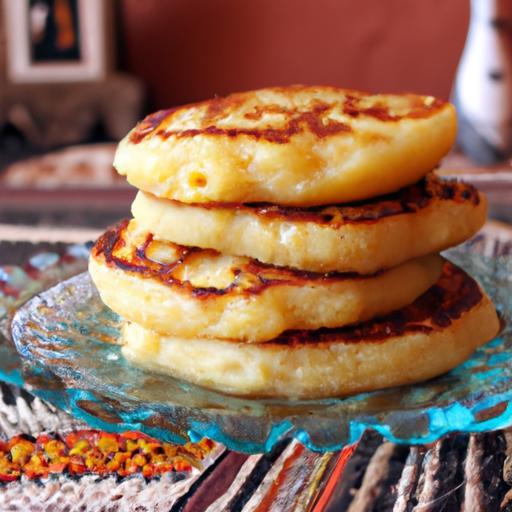
In the bustling streets of Morocco, where the air is fragrant with spices and the rhythm of daily life pulses through vibrant markets, a humble yet enchanting delicacy captures the hearts and palates of locals and travelers alike: Baghrir. Often dubbed as Morocco’s spongy, golden honey pancakes, these porous wonders are more than just a breakfast treat-thay are a sensory journey into the country’s rich culinary heritage. With their unique texture reminiscent of soft, airy clouds and a warm honeyed sweetness that lingers on the tongue, Baghrir invites you to explore not only a recipe but a tradition steeped in history and hospitality. Join us as we unfold the story behind these charming pancakes and discover why Baghrir holds a special place on Moroccan tables and in the hearts of those who savor them.
Baghrir: Exploring Morocco’s Spongy, Golden Honey Pancakes
Baghrir: Exploring Morocco’s Spongy, Golden Honey Pancakes is a journey into the heart of Moroccan culinary tradition. These delicate, hole-ridden pancakes have graced Moroccan tables for centuries, often enjoyed during Ramadan, family gatherings, or simply as an everyday treat. Their unique porous texture,reminiscent of a natural sponge,soaks up honey and butter with ease,making each bite a mesmerizing blend of soft,sweet,and warm sensations. Growing up, watching my grandmother skillfully cook baghrir was a window into Morocco’s vibrant culture and culinary artistry. Today, I invite you to create this comforting classic in your own kitchen, unlocking the secrets behind its unmistakable charm.
Prep and Cook Time
- Planning: 15 minutes
- Fermentation/Resting: 1 hour
- Cooking: 20 minutes
- Total Time: Approximately 1 hour 35 minutes
Yield
Serves 6 – 8 pancakes,perfect for sharing with friends or family.
Difficulty Level
Easy to Medium; requires patience for fermentation,but results are rewarding.
Ingredients
- 2 cups semolina flour (preferably fine-grind Moroccan semolina)
- 1 cup all-purpose flour, sifted
- 2 tablespoons granulated sugar
- 1 teaspoon instant dry yeast
- 1/2 teaspoon baking powder
- 3 cups warm water (about 100°F/38°C)
- Butter and honey for serving.
Instructions
- Prepare the batter: In a large bowl or blender, combine the semolina flour, all-purpose flour, sugar, instant dry yeast, and baking powder. Slowly add the warm water while mixing continuously to form a smooth, thin batter. The consistency should resemble heavy cream.
- Let it ferment: Cover the bowl with a clean kitchen towel or plastic wrap and leave it in a warm spot for about 1 hour. You’ll notice the surface bubbling and small holes appearing – this is the signature characteristic of baghrir batter.
- Heat the pan: Warm a non-stick skillet or a traditional cast iron griddle over medium heat. Lightly grease with a small amount of neutral oil or butter, wiping excess with a paper towel.
- Cook the pancakes: Pour a small ladle of batter (around 1/4 cup) onto the skillet and quickly spread it slightly if needed to form a 6-inch round.Cook only on one side until the surface is dotted with countless bubbles and the edges look set-about 2-3 minutes. Do not flip; the bottom should be golden but not burnt.
- Transfer and keep warm: Place cooked baghrir on a plate lined with a clean kitchen towel to keep them soft and warm. Repeat with the remaining batter.
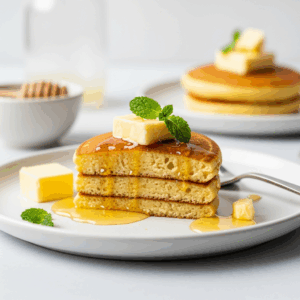
- Serve warm: Traditionally, smear with melted butter and drizzle with fragrant Moroccan honey. The holes soak up the luscious topping beautifully.
Tips for Success
- choosing semolina: Fine semolina works best for a delicate texture. Coarser semolina creates a thicker, chewier baghrir.
- Water temperature: Ensure water is warm but not hot to activate yeast without killing it. Aim for ~100°F (38°C).
- Fermentation time: If your kitchen is cool, extend resting time to encourage bubbly batter, key to that iconic porous surface.
- Cooking surface: A well-seasoned non-stick pan or cast iron skillet produces even, golden bottoms without sticking.
- Storage: Stack cooled baghrir between parchment paper, wrap in foil, and refrigerate up to 2 days. Reheat gently in a dry pan.
Serving suggestions to Elevate Your Baghrir Experience
Baghrir lends itself beautifully to a variety of accompaniments. Drizzle with warm argan honey and smoked butter for an authentic Moroccan finish.For a modern twist, serve alongside fresh berries, Greek yogurt, or a dollop of creamy labneh garnished with toasted nuts and rose petals. Their light, spongy texture also pairs well with savory toppings-try herbed goat cheese and olives for a Mediterranean flair.
For breakfast or a festive gathering, present your baghrir stacked high on a rustic wooden board, accompanied by small bowls of honey, melted butter infused with cinnamon, and freshly squeezed orange juice for an irresistible spread.
| Nutrient | Per Serving (1 pancake) |
|---|---|
| Calories | 120 |
| Protein | 4g |
| Carbohydrates | 24g |
| Fat | 0.5g |
Discover more Moroccan delights to complement your baghrir.
For deeper culinary history, visit Expatica’s Moroccan Food Guide, an excellent resource that highlights traditional dishes and their origins.

Q&A
Q&A: Baghrir – Exploring Morocco’s Spongy, Golden Honey Pancakes
Q: What exactly is Baghrir?
A: Baghrir, often nicknamed “thousand-hole pancakes,” is a traditional Moroccan delicacy known for its spongy texture and signature porous surface. These golden, honey-drizzled wonders are a breakfast staple and a sweet street food favorite across Morocco, cherished for both their simplicity and their subtle, comforting flavor.
Q: Why are Baghrir called “thousand-hole pancakes”?
A: the name comes from their unique appearance; when cooked, Baghrir develop countless tiny holes on the surface.these holes aren’t flaws-they’re the hallmark of a perfectly fermented batter reacting with heat.These thousands of little bubbles act like natural sponges, eagerly soaking up syrup, butter, and honey to create a melt-in-your-mouth experience.
Q: How are Baghrir traditionally made?
A: The magic starts with a simple batter of semolina, flour, yeast, baking powder, warm water, and sometimes a touch of sugar. The batter is left to ferment until it bubbles up with life.Then, on a hot griddle or pan, Baghrir are cooked only on one side, allowing the holes to form and giving the pancake its iconic texture. Unlike typical pancakes, they aren’t flipped!
Q: What does Baghrir taste like?
A: Lightly sweet with a subtle nuttiness from the semolina, Baghrir’s flavor is delicate rather than overpowering. Their true delight lies in texture-the sponginess is paired with the warm, buttery honey glaze commonly poured atop, making every bite luscious and fragrant.
Q: When and how are Baghrir typically enjoyed in Morocco?
A: Baghrir is often served for breakfast or tea time, accompanied by thick, melted butter mixed with fragrant honey or sometimes jam. It’s common to gather around with family, tearing pieces to dip into the sweet, buttery syrup slowly pooling in each hole-an invitation to savor both taste and togetherness.
Q: Are Baghrir unique to Morocco,or do other cultures have similar pancakes?
A: Variations of spongy,holey pancakes exist across North Africa and the Middle East-such as Algerian “Msemen” or Ethiopian “Injera”-but Baghrir’s unmistakable golden hue,single-sided cooking,and honey-laden serving style set it apart as distinctly Moroccan.
Q: Can Baghrir be made at home outside Morocco?
A: Absolutely! Although perfecting Baghrir requires some finesse-especially in achieving the ideal batter fermentation and cooking temperature-they are wonderfully satisfying to make at home. With accessible ingredients and a little patience, you can bring a taste of Moroccan warmth and tradition to your kitchen.
Q: What cultural meaning does Baghrir hold?
A: Beyond its role as food, Baghrir embodies hospitality and party. It features prominently during Ramadan breakfasts, family gatherings, and festive occasions, symbolizing the sweetness of togetherness and the richness of Morocco’s culinary heritage.
Q: Any fun tips for first-timers wanting to try Baghrir?
A: Embrace the holes-they shouldn’t be smoothed out! Use a non-stick pan and be patient: cooking at the right temperature is key to forming those signature bubbles. And when serving, don’t be shy with the honey and butter; they’re the perfect partners in this spongy dance.
Whether you’re a curious foodie or a lover of cultural gastronomy, Baghrir invites you to dive into its thousand holes and discover a golden treasure bubbling with Moroccan warmth and sweetness.
In Summary
Whether enjoyed fresh off the griddle, drizzled generously with honey, or paired with a fragrant cup of Moroccan mint tea, baghrir offers more than just a taste-it’s a warm invitation into Morocco’s rich culinary tapestry. These spongy, golden pancakes carry stories of ancient traditions and vibrant markets, bridging generations with every tender bite. So next time you seek a breakfast adventure or a sweet snack that’s both humble and exceptional, let baghrir’s delicate texture and honeyed glow transport you to the heart of Moroccan culture, one pancake at a time.