

Italy’s Sweet traditions are woven deeply into the country’s cultural identity, making Italy’s Sweet creations an unforgettable journey through flavor and heritage. From Sicily to Rome, Italy’s Sweet masterpieces tell stories of family, celebration, and passion, each Italy’s Sweet dessert crafted with love and time-honored techniques. As you explore Italy’s Sweet confections, you’ll find that every region offers its own Italy’s Sweet specialties, from creamy tiramisu to almond-rich biscotti, each bite expressing Italy’s Sweet artistry and charm. This guide invites you to fully immerse yourself in Italy’s Sweet legacy, savoring how Italy’s Sweet flavors bring the essence of la dolce vita to life with irresistible depth and elegance.
Exploring Italy’s Classic Tiramisu: A Timeless Treat to Savor Italy’s Sweet Delights
Savoring Italy’s Sweet delights begins with tiramisu, one of the most iconic Italy’s Sweet creations cherished worldwide. This beloved classic, layered with espresso-soaked ladyfingers and velvety mascarpone, stands as a shining example of Italy’s Sweet balance of richness and refinement. My first taste of this Italy’s Sweet treasure in a cozy Venetian café revealed how Italy’s Sweet desserts elevate simple ingredients into unforgettable experiences. With every spoonful, Italy’s Sweet flavors unfold like a story—coffee, cocoa, and cream coming together in perfect harmony. It’s no wonder that tiramisu remains at the heart of Italy’s Sweet culinary heritage, inspiring countless variations while preserving the timeless magic of Italy’s Sweet traditions.
Prep and Cook Time
- Prep Time: 15 minutes
- chill Time: 4 hours (preferably overnight)
- Total Time: 4 hours 55 minutes
Yield
Serves 6 generous portions
Difficulty Level
Medium
Ingredients
For the crust (optional):
-
1 ½ cups graham cracker crumbs (or digestive biscuits)
-
5 tbsp melted butter
-
2 tbsp sugar
For the ricotta filling:
-
2 cups whole milk ricotta cheese
-
8 oz cream cheese, softened
-
¾ cup sugar
-
3 large eggs
-
1 tsp vanilla extract
-
Zest of 1 lemon
-
2 tbsp all-purpose flour (optional for thicker texture)
-
A pinch of salt
Instructions
1. Prepare the crust (optional):
-
Preheat oven to 325°F (165°C).
-
Mix graham crumbs, sugar, and melted butter until evenly combined.
-
Press firmly into the bottom of a 9-inch springform pan.
-
Bake for 8–10 minutes, then let cool slightly.
2. Prepare the ricotta filling:
-
In a large bowl, beat ricotta and cream cheese until smooth and creamy.
-
Add sugar, lemon zest, vanilla, and salt; mix until fully combined.
-
Add eggs one at a time, mixing gently after each addition to avoid overbeating.
-
Fold in flour if you prefer a firmer cheesecake.
-
Pour the mixture over the crust (or into an unlined pan if skipping crust).
3. Bake the cheesecake:
-
Bake at 325°F (165°C) for 45–55 minutes, or until the edges are set but the center still jiggles slightly.
-
Turn off the oven and let the cheesecake rest inside with the door slightly open for 1 hour to prevent cracking.
4. Chill:
-
Remove from the oven, run a knife around the edge, and let cool completely.
-
Refrigerate for at least 4 hours, preferably overnight.
Tips for Success
-
Use full-fat ricotta for the creamiest texture.
-
Drain ricotta if it’s too watery—wrap in a cheesecloth and let sit for 30 minutes.
-
Avoid overbeating once the eggs are added; too much air leads to cracking.
-
Room-temperature ingredients blend more smoothly.
-
Chill overnight for the best flavor and structure.
-
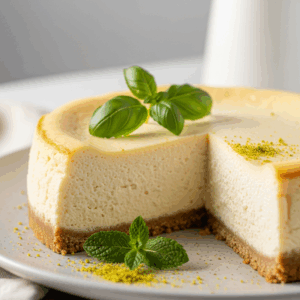
Serve with fresh berries, lemon zest, or a drizzle of honey for a classic Italian touch.
Serving Suggestions
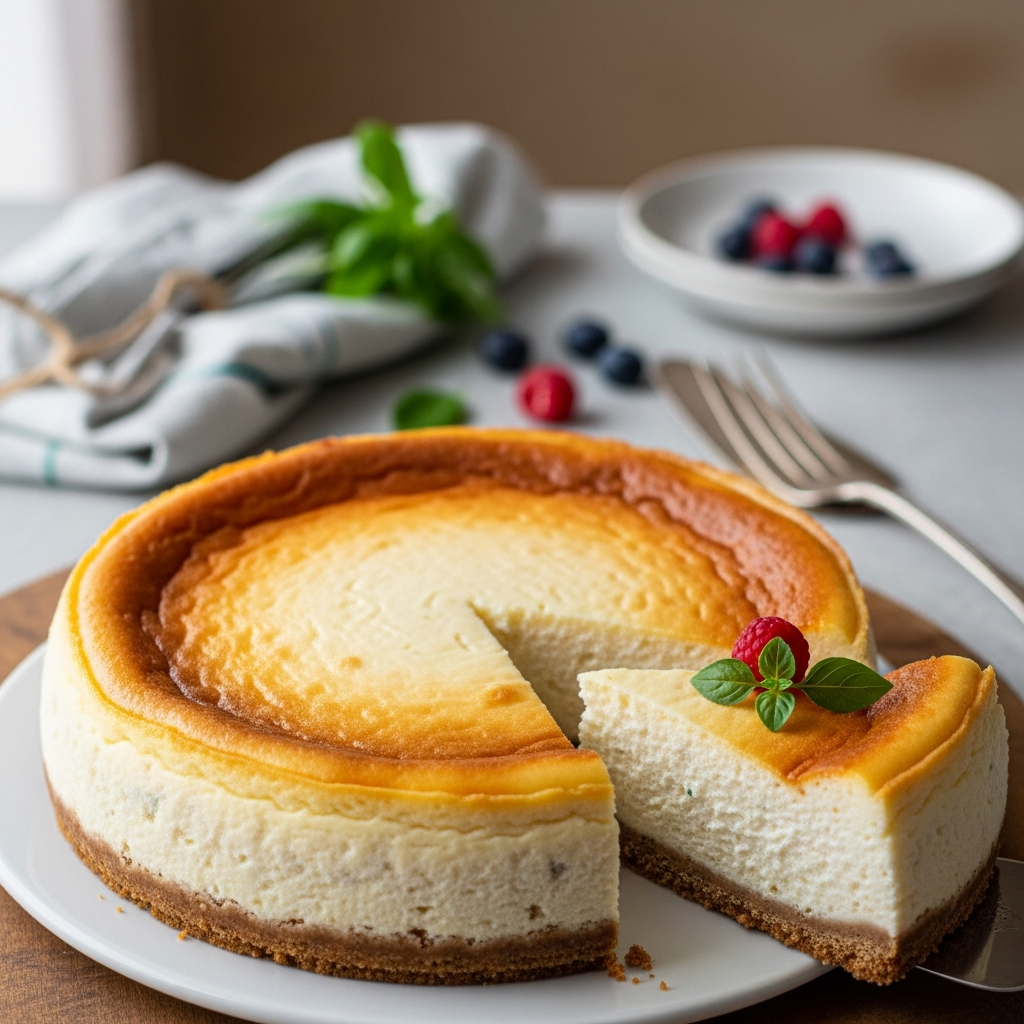
Serve tiramisu chilled in elegant dessert glasses or a large trifle bowl to highlight the gorgeous layers. Accompany with a fresh shot of espresso or a glass of Vin santo for an authentic Italian touch.Top with fresh raspberries for a subtle tart contrast or a mint leaf for radiant color.

| Nutrient | Per Serving |
|---|---|
| Calories | 420 kcal |
| Protein | 7 g |
| Carbohydrates | 38 g |
| Fat | 27 g |
Delving into Italy’s classic tiramisu offers a perfect introduction for those eager to explore Italian desserts further. For a deep dive into Italy’s culinary heritage and expert techniques, the Fine Dining Lovers’ history of tiramisu provides engaging insights and inspiration.
Q&A
Q&A: Savor Italy’s Sweet Delights - A Guide to Classic Treats
Q1: What makes Italian desserts so unique compared to othre countries’ sweets?
A1: Italian desserts are a harmonious blend of simple,high-quality ingredients and centuries-old traditions.Unlike overly complicated confections, Italian sweets often celebrate natural flavors-think rich mascarpone, fragrant citrus, and roasted nuts-crafted into timeless recipes that echo the country’s diverse regions and history. Each bite tells a story of culture, family, and celebration.
Q2: Which classic Italian dessert should I try first if I’m new to Italy’s sweet offerings?
A2: Start with Tiramisu-the world-famous layered treat that marries espresso-soaked ladyfingers with creamy mascarpone and a dusting of cocoa. It’s indulgent yet light, perfectly capturing Italy’s love for coffee and bold flavors, making it an ideal gateway into Italian dessert culture.
Q3: Are there any lesser-known regional desserts worth discovering?
A3: Absolutely! As an example, Sicilian cassata is a vibrant, ricotta-filled cake decorated with candied fruit.In the northern Alps, try Sbrisolona, a crumbly almond cake with a rustic charm.Each region brings its own treasure, reflecting local ingredients and heritage-exploring these sweets is like taking a delicious culinary road trip across Italy.
Q4: How do Italian desserts complement Italian meals?
A4: Italian meals celebrate balance and harmony, and desserts are no exception. After a hearty pasta or rich risotto, a refreshing gelato or citrus-infused panna cotta offers a sweet finish without overwhelming the palate.Many sweets use seasonal fruits and nuts, making them naturally fitting finales to italy’s vibrant menus.
Q5: Can I recreate these classic Italian sweets at home?
A5: Definitely! Many Italian desserts rely on straightforward techniques and accessible ingredients.With a little patience and love-plus authentic recipes-you can craft your own tiramisu, panna cotta, or biscotti.The key is sourcing quality ingredients: fresh mascarpone, real vanilla, good espresso, and ripe fruit. Making and sharing these treats brings a slice of Italy into your kitchen.
Q6: What cultural meaning do desserts hold in Italy?
A6: Desserts in italy are more than just food; they’re a form of celebration and connection. From festive panettone at Christmas to regional specialties at local festivals, sweets frequently enough mark notable moments and family gatherings. Sharing dolce is a way Italians express hospitality, joy, and a reverence for tradition.
Q7: How have Italian desserts evolved over time?
A7: While rooted deeply in history, Italian desserts have evolved through influences from Arab spices, New World cacao, and modern culinary innovations. Some classics remain untouched, preserving thier original charm. Others, like gelato, have inspired contemporary reinterpretations globally. this evolution shows how Italian dolci balance respect for tradition with creative flair.
Q8: What’s the best way to enjoy italian desserts authentically?
A8: The true joy is tasting these sweets in their native settings-from a bustling gelateria in Rome to a cozy trattoria in Tuscany. Pair them with local wines or espresso, savor them leisurely, and embrace the Italian mantra: La dolce vita-the sweet life. It’s not just about flavor; it’s about savoring moments,company,and culture alongside these delicious creations.
To Wrap It Up
As you close this flavorful journey through Italy’s sweetest treasures, remember that each bite tells a story steeped in history, tradition, and love. From the velvety richness of tiramisù to the delicate crunch of biscotti, these classic treats are more than just desserts-they are invitations to experience the heart and soul of Italian culture. so whether you’re indulging at a bustling café in Rome or recreating a cherished recipe at home, savoring Italy’s sweet delights is a timeless celebration of flavor and heritage that lingers long after the last crumb disappears. Buon appetito!