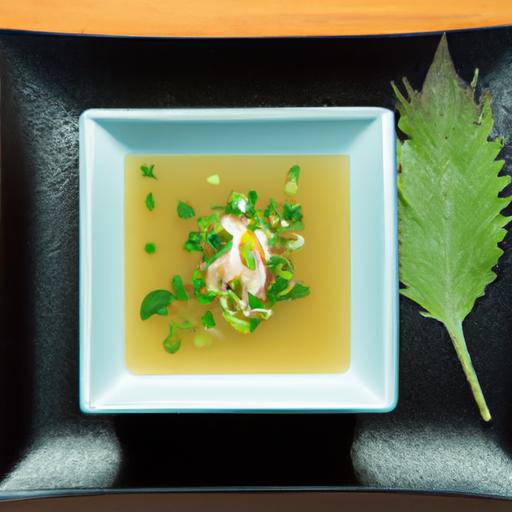


In the vast symphony of flavors that compose global cuisine,umami stands as the subtle yet profound note that transforms the ordinary into the unusual. At the heart of this savory depth lies dashi broth-a cornerstone of japanese cooking that carries the delicate balance of sea, earth, and a whisper of sweetness.Unlocking umami through versatile dashi recipes not only enriches your palette but also invites you into a tradition where simplicity meets sophistication. In this article, we’ll explore essential dashi broth recipes that capture the essence of umami, revealing how this humble stock can elevate everyday dishes to unforgettable culinary experiences.
Unlock umami like never before with the timeless magic of crafting your own dashi broth. Rooted in centuries of Japanese culinary tradition, this deceptively simple stock builds the foundation for a myriad of dishes – from delicate soups to savory sauces. My first encounter with dashi was transformative: the earthy depth of kombu, coupled with the smoky kiss of katsuobushi, revealed a richness that no store-bought broth could match. Today, I’ll guide you through mastering these ingredients to create a broth packed with profound umami, elevating your everyday cooking into an art form.
Prep and Cook time
- Preparation: 10 minutes
- Cooking: 20 minutes
- Total: 30 minutes
Yield
4 cups (approximately 1 liter) of dashi broth
Difficulty Level
Easy to Medium – Perfect for culinary enthusiasts who want to deepen their umami knowledge
Ingredients
- 20g (about 1 piece) dried kombu (kelp), wiped lightly with a damp cloth
- 30g katsuobushi (dried bonito flakes)
- 4 cups cold filtered water
- Optional: 10g dried shiitake mushrooms for added earthiness
Instructions
- Prepare the kombu: gently wipe the kombu with a damp cloth-avoid washing or scraping off the white powdery substance, as it contains essential umami compounds. Place kombu in a medium pot with the filtered water.
- Soak for 30 minutes (optional for deeper umami): Let the kombu gently steep in cold water before heating. This step enhances the broth’s complexity.
- Slowly heat the water: over medium heat, bring the water and kombu just to a simmer – watch closely to ensure the water never fully boils (approximately 60-70°C / 140-160°F). Remove the kombu just before bubbling begins to prevent bitter flavors.
- Add the katsuobushi: Immediately sprinkle the bonito flakes into the hot water. Stir lightly and then turn off the heat.
- Steep the katsuobushi: Allow the flakes to sink and infuse the liquid for 5 minutes. The broth will develop a rich amber hue.
- Strain the broth: Use a fine mesh strainer or cheesecloth to remove the bonito flakes, pressing gently to extract every drop of flavor. Discard or reserve the flakes for another use, such as seasoning.
- Store or use immediately: Your fresh dashi broth can be used right away or cooled and stored in the fridge for up to 3 days.
Tips for Success
- Control your temperature: No boiling kombu! this is key to preventing bitterness and maintaining umami clarity.
- Experiment with variations: Swap katsuobushi for niboshi (dried sardines) or add dried shiitake mushrooms for a vegetarian dashi with layers of depth.
- Reuse your dashi ingredients: Used kombu and katsuobushi still retain flavor; reuse them to make a second, lighter broth (niban dashi).
- Make ahead: Prepare dashi in larger batches and freeze in ice cube trays for portioned use.
Serving Suggestions
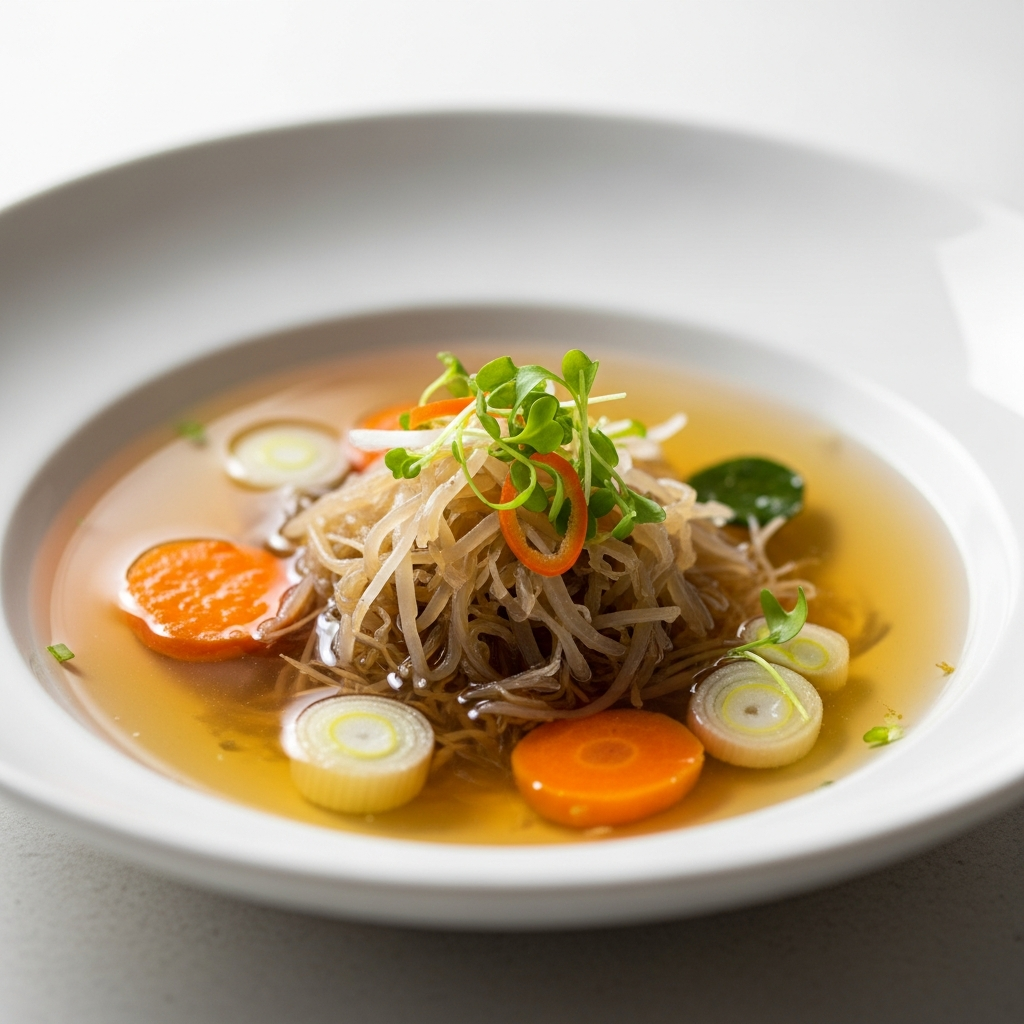
This essential dashi broth is a canvas to your culinary creativity. Pour it over freshly cooked udon or soba noodles, infuse delicate miso soups, or use it as the liquid base for simmered vegetables or nimono dishes. Garnish with finely sliced green onions, a sprinkle of toasted sesame seeds, or shichimi togarashi for a welcome pop of spice.

| Nutrition (per 1 cup) | Amount |
|---|---|
| Calories | 10 kcal |
| Protein | 2 g |
| Carbohydrates | 1 g |
| Fat | 0 g |
For further inspiration, explore our extensive guide to Japanese umami dishes that brilliantly showcase dashi’s versatility. You may also find this NHK World article on dashi invaluable for past context and expert tips.
Q&A
Q&A: Unlock Umami – Essential Dashi Broth Recipes to Savor
Q1: What exactly is dashi, and why is it called the “essence of umami”?
A: Dashi is a traditional Japanese broth made by simmering a few simple ingredients like kombu (kelp), katsuobushi (dried bonito flakes), and sometimes dried shiitake mushrooms or niboshi (dried sardines). Despite its simplicity, dashi captures the elusive umami taste-often described as a savory, mouth-filling depth-because it’s rich in natural glutamates and inosinate. It’s the foundational flavor that elevates countless Japanese dishes, giving them that subtle but unforgettable richness.
Q2: How does dashi differ from other stock or broth varieties?
A: Unlike Western stocks, which frequently enough require hours of simmering bones, meat, or vegetables, dashi is quick to prepare and relies on a minimalist ingredient list. This efficiency doesn’t sacrifice flavor; instead, it concentrates pure, nuanced umami. Dashi’s lightness makes it a perfect base, lending itself to everything from miso soup to noodle broths without overpowering the other ingredients.
Q3: What are the essential types of dashi I shoudl know?
A: The three classic variations are:
- Kombu Dashi: Made solely from kelp; it’s vegetal and subtly briny-a perfect vegan option.
- Katsuo Dashi: incorporates bonito flakes; smokier and more robust in flavor.
- Awase Dashi: A harmonious blend of kombu and katsuo, offering a balanced, full-bodied umami profile.
There are also variations with shiitake mushrooms or niboshi, ideal for vegetarian or pescatarian palettes.
Q4: Can I make dashi without fish products?
A: Absolutely! kombu and dried shiitake mushrooms together yield a beautifully complex vegetarian dashi. The mushrooms add earthy depth while kombu contributes that signature savory kelp essence. It’s a marvelous base for plant-forward dishes.
Q5: What’s the secret to making the perfect dashi at home?
A: Key tips include:
- use high-quality kombu and fresh bonito flakes (if using).
- Soak kombu gently to draw out umami without bitterness.Avoid boiling kombu directly-heat water slowly and remove kelp just before it reaches a simmer.
- add bonito flakes after removing kombu, letting them steep briefly before straining.
- Don’t rush it; time and temperature matter to preserve delicate flavors.
Q6: How can I use dashi beyond miso soup?
A: Dashi’s versatility is astounding! Use it as a broth for udon or soba noodles, a poaching liquid for fish or vegetables, a base for chawanmushi (delicate egg custard), or even to infuse grains and risottos for an umami boost. Try reducing dashi to drizzle over grilled dishes as a savory glaze or incorporating it into sauces to deepen complexity.
Q7: How does unlocking umami with dashi elevate everyday cooking?
A: Incorporating dashi transforms simple ingredients into something extraordinary. It’s like adding a natural flavor enhancer without overpowering. Whether you’re looking to create authentic Japanese dishes or infuse your cooking with subtle, layered savoriness, mastering dashi opens a delicious door to culinary creativity and satisfaction.
Unlock your kitchen’s full flavor potential by mastering these essential dashi broths-and savor umami in every spoonful!
To Wrap It Up
As you embark on your culinary journey to unlock umami, dashi broth stands as your indispensable ally-a subtle yet powerful foundation that breathes depth and harmony into every dish. From the delicate whispers of kombu to the savory embrace of bonito flakes, these essential dashi recipes invite you to savor the essence of Japanese tradition while inspiring endless creativity in your kitchen. embrace the magic of umami,and let each spoonful of dashi transform your meals into memorable experiences that linger long after the last bite.