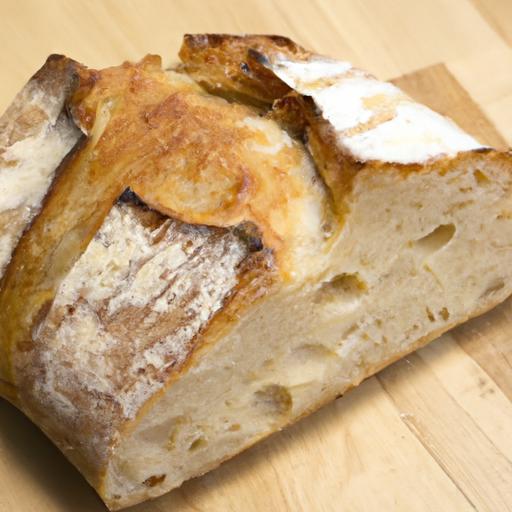


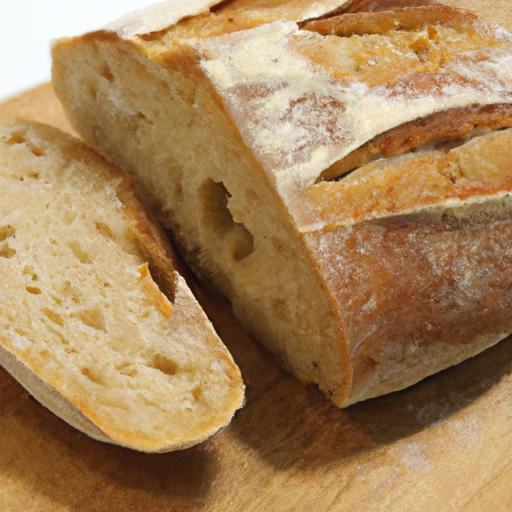
Pugliese Bread stands as one of Italy’s most cherished culinary traditions, and exploring Pugliese Bread means stepping into a world shaped by sunlit fields, golden durum wheat, and centuries of artisanal craft. In the heart of southern Italy, Pugliese Bread reflects the soul of Puglia’s agricultural heritage, where each loaf of Pugliese Bread carries the aroma of rustic simplicity and Mediterranean warmth. When baking Pugliese Bread, the distinctive use of durum wheat flour transforms every crumb into a nutty, flavorful masterpiece that honors the region’s timeless techniques. Whether you are discovering Pugliese Bread for the first time or perfecting your own Pugliese Bread recipe, this guide reveals how Pugliese Bread captures the authentic charm of Italian countryside baking. Prepare to fill your kitchen with the irresistible scent of Pugliese Bread rising—a soulful experience that connects tradition, craft, and pure culinary joy.
The magic behind Pugliese Bread begins with its signature ingredient: durum wheat flour, the golden foundation that gives Pugliese Bread its chewy crumb, robust flavor, and sun-kissed color. Every artisan who bakes Pugliese Bread understands how this grain elevates a simple loaf into a true regional treasure, making Pugliese Bread a celebration of heritage and craftsmanship. Originating from Puglia’s fertile landscapes, Pugliese Bread embodies Mediterranean authenticity and the comforting essence of home-baked tradition. Whether enjoyed fresh from the oven, paired with olive oil, or used as the base for rustic meals, Pugliese Bread transforms everyday cooking into a tribute to Italy’s rich past. With every bite of Pugliese Bread, you taste the artistry, history, and passion that make Pugliese Bread a beloved icon of Italian baking.
Prep and Cook time
- Preparation: 30 minutes
- First Rise: 3 hours
- Second Rise: 1 hour
- Baking: 30 - 35 minutes
- Total Time: Approximately 5 hours
Yield
- One large loaf, serving 6-8 people
Difficulty Level
- Medium – Ideal for bakers comfortable with slow fermentation and shaping rustic doughs
Ingredients
- 500g durum wheat flour, sifted
- 350ml lukewarm water
- 12g fine sea salt
- 5g active dry yeast
- 1 tbsp extra virgin olive oil, plus extra for greasing
Instructions
- Activate the yeast: In a small bowl, combine the lukewarm water with the active dry yeast. Let it sit for 10 minutes until foamy – a sign the yeast is alive and ready.
- Mix the dough: In a large mixing bowl, blend the durum wheat flour and fine sea salt.Slowly pour in the yeast mixture and olive oil,stirring with a wooden spoon until a shaggy dough forms.
- Knead to develop gluten: On a lightly floured surface,knead the dough for 10 minutes until smooth and elastic.You’ll notice the dough becoming firmer yet supple-a hallmark of durum flour’s protein strength.
- First rise: Place the dough in an oiled bowl, cover with a damp cloth, and let it rise for 3 hours at room temperature. The dough should nearly double in size, developing a complex aroma.
- Shape the loaf: Gently deflate the risen dough and shape it into a rustic oval. Place it on a parchment-lined baking tray, cover it loosely, and allow a second rise for 1 hour. This slower fermentation contributes to an open crumb structure.
- Preheat the oven: While the dough rises, preheat your oven to 240°C (465°F). Position a cast-iron skillet or baking stone on the middle rack to ensure even heat transfer.
- Create steam for crust: Just before baking, make a few shallow slashes on top with a sharp knife or lame. Place a handful of ice cubes or pour a cup of hot water on the preheated skillet (be cautious!) to generate steam, which helps create a crisp, crackling crust.
- Bake: Slide the bread onto the hot stone or skillet and bake for 30-35 minutes until the crust is deep golden and the loaf sounds hollow when tapped on the bottom.
- Cool completely: Transfer the loaf to a wire rack to cool at least 1 hour before slicing. This step finalizes the crumb structure while letting flavors mature.
Chef’s Notes & Tips for Success
- Hydration control: Durum wheat absorbs water differently than all-purpose flour; don’t hesitate to adjust water slightly by 10-15 ml for local humidity variations.
- Slow fermentation: If time permits, retarding the dough overnight in the fridge after the first rise intensifies flavor complexity.
- Gluten advancement: A stand mixer fitted with a dough hook can reduce kneading time while ensuring a perfect texture.
- Substitute ingredients: For a more rustic flavor, replace 50g of durum flour with whole wheat flour, but note this will produce a denser crumb.
- Make-ahead: The dough can be shaped and refrigerated overnight; bring to room temperature before the final rise and baking.
Tips for Flavor Enhancements and Serving Suggestions
To enhance the natural nuttiness of durum wheat flour, brush the loaf with extra virgin olive oil instantly after baking – this adds a subtle sheen and a fragrant finish. For an aromatic twist,sprinkle the top with rosemary needles or flaky sea salt before baking. Serve thick slices alongside rich tomato bruschetta, creamy burrata, or rustic antipasti for a perfect pairing.
For a sophisticated snack, toast slices crisp and top with a drizzle of sicilian olive oil and a sprinkle of flaky Maldon salt. This bread also shines as a grounding base for hearty soups and stews,its open crumb absorbing broths beautifully.

| Nutrition | Per Serving (1 slice) |
|---|---|
| calories | 180 kcal |
| Protein | 6g |
| Carbohydrates | 36g |
| fat | 1g |
Embrace the charm and complexity of Rustic Pugliese Bread by diving into this recipe that showcases the unique qualities of durum wheat flour. For more inspiring bread recipes, explore our Italian Bread Recipes Collection. You can learn about the wheat varieties and their baking impact from the authoritative Grain Mills Association.
Q&A
Q&A: Rustic Pugliese Bread – durum Wheat Flour Recipe Guide
Q1: What makes Pugliese bread distinctively rustic?
A1: Pugliese bread carries the soul of Southern Italy’s Puglia region.Its rustic charm lies in its thick,crackling crust and airy,chewy crumb that’s dotted with irregular holes. This hearty texture comes from a long fermentation process and the use of durum wheat flour, lending it a robust flavor and golden hue that feels like a warm italian countryside embrace.
Q2: Why use durum wheat flour in this Pugliese bread recipe?
A2: Durum wheat flour, made from hard wheat, is rich in protein and gluten, which creates that quintessentially chewy texture and nutty flavor unique to Pugliese bread. Unlike softer flours, durum gives the loaf a slightly dense structure with a golden crust that toasts beautifully-making it perfect for bruschetta or hearty sandwiches.
Q3: Can I substitute all-purpose flour for durum wheat?
A3: While all-purpose flour can be used, it won’t quite capture the signature chewiness and flavor of true Pugliese bread. Mixing in some durum wheat flour or semolina flour boosts both texture and taste. To echo tradition, a blend of about 70% durum wheat and 30% all-purpose works wonders.
Q4: What’s the secret to achieving the perfect crust?
A4: The crust’s rustic crackle comes from a hot oven and steam during the first baking phase. Using a preheated baking stone or cast iron helps mimic a hearth oven’s radiant heat. Spritzing water into the oven or baking with a pan of boiling water creates moisture, which helps the crust expand before crisping to golden perfection.
Q5: How long should the dough ferment for authentic flavor?
A5: Pugliese bread thrives on patience. A slow, cold fermentation-anywhere from 12 to 24 hours-allows wild yeasts to develop complex, tangy flavors and a richer crumb structure. This long rest period also enhances gluten strength, resulting in those signature open holes.
Q6: Do I need a mixer or special equipment to make this bread?
A6: Not at all! While mixers speed up kneading, rustic Pugliese bread comes from gentle hands and time.Stretch-and-fold techniques during fermentation strengthen the dough gradually. All you need is a sturdy bowl, a baking surface, and a bit of love.
Q7: What makes pugliese bread so versatile in the kitchen?
A7: Its dense yet airy interior and crispy crust make it a canvas for flavors. Whether dipped in olive oil, topped with fresh tomatoes and basil, or used to sop up rich stews, Pugliese bread brings rustic Italian authenticity to every meal.
Q8: Any tips for storing this bread?
A8: To maintain that divine crust, wrap the loaf loosely in a linen cloth after it cools. Avoid plastic wrap, which traps moisture and softens the crust. For longer storage, slice and freeze the bread, then toast slices directly from the freezer for a freshly baked experience.
With these insights, your journey into crafting authentic Rustic Pugliese Bread using durum wheat flour will be as rewarding as biting into that golden crust-warm, simple, and deliciously timeless. Buon appetito!
Insights and Conclusions
Embracing the timeless charm of Rustic Pugliese Bread is more than just baking-it’s a journey into the heart of Southern Italy’s rich culinary heritage. With its golden crust and tender crumb, crafted from the humble yet robust durum wheat flour, this bread invites you to slow down and savor tradition with every bite. Whether you’re a seasoned baker or an adventurous novice, this recipe guide offers a delicious gateway to recreate the authentic flavors of Puglia in your own kitchen. So, roll up your sleeves, dust off your mixing bowls, and let the warm, nutty aroma of rustic Pugliese bread fill your home-one loaf at a time.